
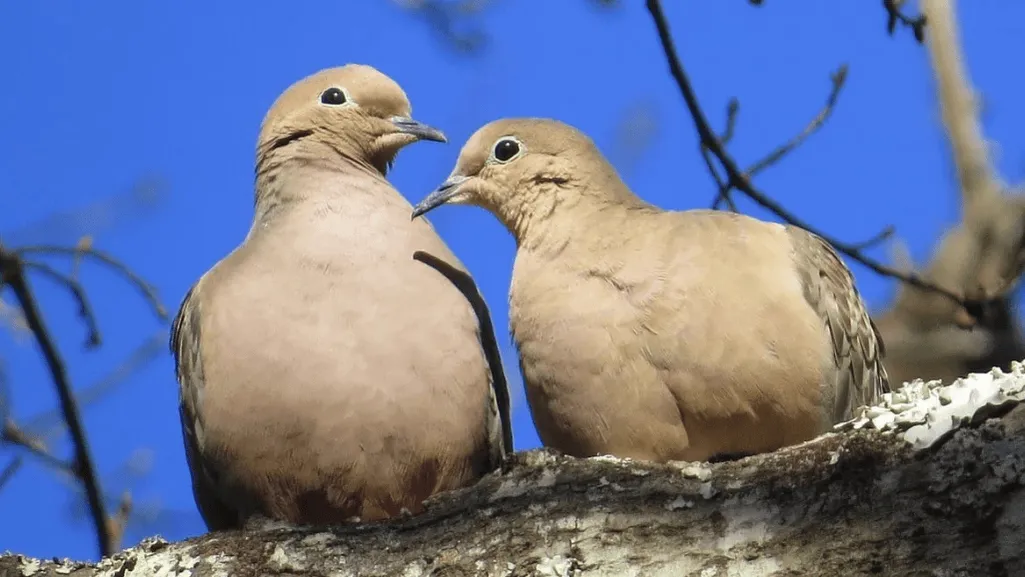

Welcome to a clear, practical guide on Columbidae birds and how to recognize common species you might see in the United States today.
We’ll keep this simple. This article shows how the everyday word use differs from scientific naming, and it explains how Dove Breeds and pigeons are part of the same family.
This guide is organized to help you identify body shape, wing and tail patterns, calls, and behavior. Expect sections on the most seen U.S. species—Mourning, White-winged, Inca, and Common Ground—plus notes on occasional visitors in Florida and Texas.
You’ll get practical ID tips and simple explanations of taxonomy so the name used in casual speech makes sense without overloading on science.
We also cover how humans change populations through cities and backyard habits, and offer ethical care pointers for anyone thinking of a small companion bird.
Key Takeaways
- Both doves and pigeons belong to the Columbidae family; everyday words differ from scientific use.
- Focus on body form, wing marks, tail pattern, and vocal cues for field ID.
- Mourning, White-winged, Inca, and Common Ground are the doves you’ll most often meet in the U.S.
- Rock Dove and Feral Pigeon names can refer to the same species in cities.
- The guide balances species facts with ethical advice for backyard observers and prospective caretakers.
Understanding Doves vs. Pigeons: What’s the Real Difference?
Words shape how we think about backyard birds. In biology there is no real difference: both fall in the Columbidae family and share nesting, feeding, and flight habits.
The name often reflects language and culture. Historically, “pigeon” comes from French/Latin roots, while “dove” has Germanic origins. That is a word-based split, not a biological one.
Same species, two common names
Everyday English follows a rule of thumb: smaller, delicate birds get called doves; larger, city birds are called pigeons. This rule is informal and varies by region.
Rock Dove and feral pigeons
- The Rock Dove is the wild form; feral pigeons are descended from domesticated birds that now breed on buildings.
- Centuries of captive breeding created many color variants, but they remain the same species.
- Knowing this clears up mixed labels on apps and field guides.
Practical tip: Focus on field marks, calls, and behavior for ID. The linguistic difference matters only when names on lists conflict; the biology stays the same.
Columbidae at a Glance: Family, Genera, and Global Distribution
The Columbidae family links compact, fast-flying birds found across much of the globe. Members sit in Class Aves and Order Columbiformes and include both familiar city birds and shy forest species.
Where they fit in the tree of life
Taxonomy places most familiar species in the subfamily Columbinae, with other groups like Treroninae representing fruit-eating lineages. Scientists update genus lists as DNA studies refine relationships.
Numbers, genera, and global spread
- Roughly 344 species exist in about 50 genera, giving this family a broad world distribution.
- That diversity means similar-looking species can occupy very different areas and range limits.
- Use both morphology and maps to confirm identifications when names and lists disagree.
Shared form and flight
Most have a stout body, short neck, and slender bill. Wings favor quick takeoffs and sustained flight, traits that appear across genera.
Plumage varies from muted browns to iridescent greens. Tail shape, wing marks, and behavior help narrow an ID from family to species.
Doves of the United States: The Species You’re Most Likely to See
Across the country a handful of species dominate suburban feeders and roadside edges.
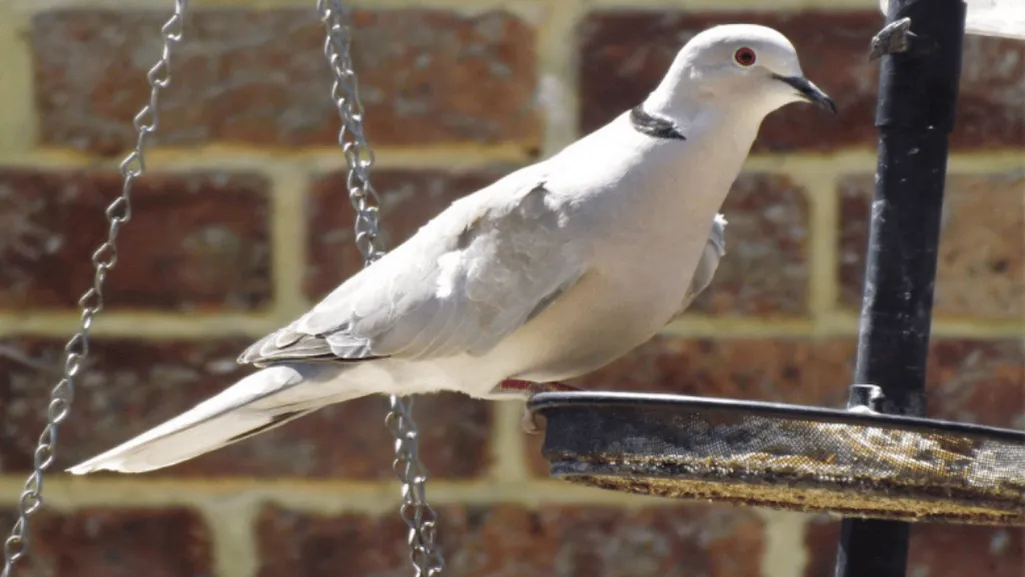
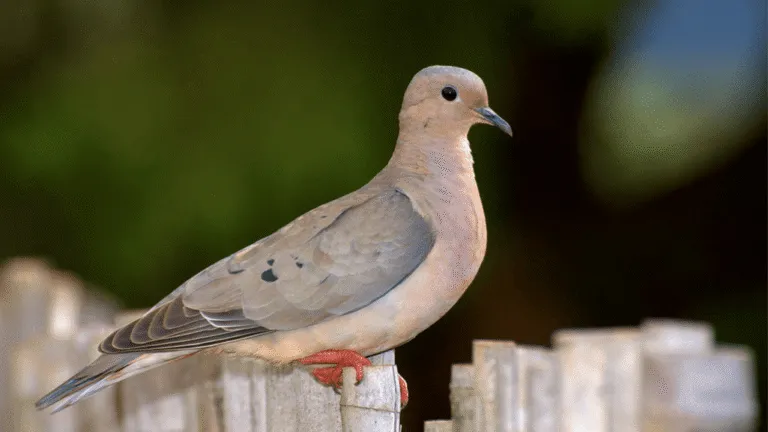
Mourning is the most widespread species in the continental U.S. It measures about 9.1–13.4 in with a wingspan near 17.7 in and weighs 3.4–6.0 oz.
The bird shows mid-brown plumage with dark spots on the back and a long, tapered tail. Listen for the soft, mournful coo; flight is strong and direct with a whistle from the wings.
Mourning Dove
- Key ID: soft coo, spotted back, slim tail.
- Habitat & distribution: suburbs, farms, wildlands nationwide.
White-winged Dove
This species runs about 11 in long with a wingspan up to 22.8 in and weighs ~5.3 oz. Look for bold white wing bars and a pale eye ring.
It favors southern range states and adapts well to dry, urban, and open habitats. Learn more on the White-winged Dove profile.
Inca Dove
Smaller and pale brown-gray, the Inca shows scaled plumage and a relatively long tail for its body. Length is about 6.5–9.1 in with a wingspan near 11–12.5 in.
It stays year-round across the southern half of the U.S. and sometimes pyramid-roosts to share warmth on cool nights.
Common Ground Dove
The tiny common ground dove is 5.9–7.1 in with an ~11 in wingspan and weighs under 1.5 oz. Its sandy tone and dark wing spots make it a clear ground forager.
This ground species eats thousands of seeds daily and favors open, scrubby edges in southern states.
- Quick field tip: compare size, tail shape, and feather pattern to separate lookalikes; Mourning is larger and sleeker.
- Flight clues: ground species fly low and short, while Mourning shows long, fast flight and wing whistles.
Rare Visitors and Regional Specialties in the U.S.
Southern edges and island coasts sometimes host uncommon species that few inland observers see. These visitors arrive rarely, so careful notes on size, tail edges, and plumage make the difference between a sure record and a likely misidentification.
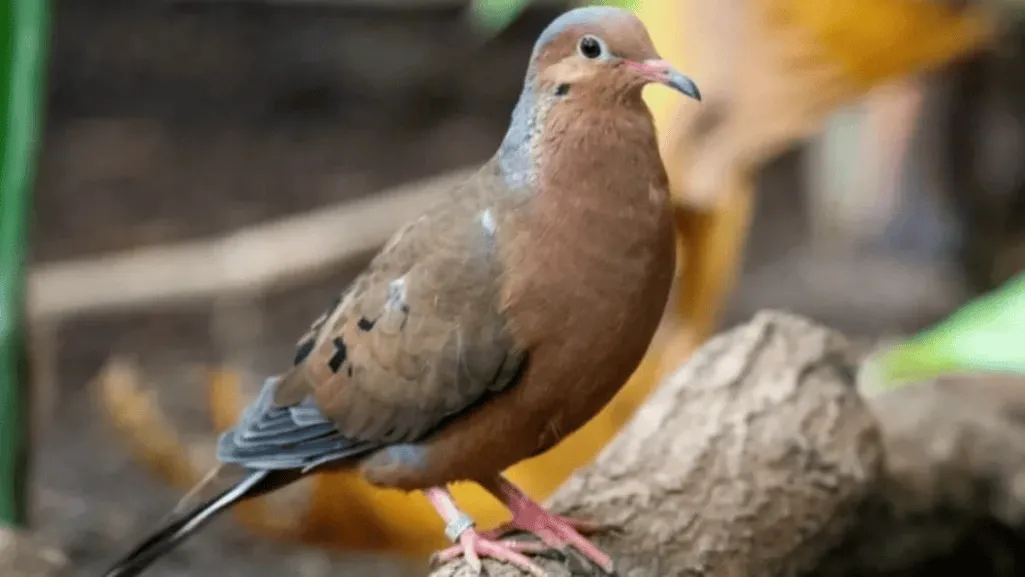
Ruddy Ground Guest
Ruddy ground birds are small ground-oriented species about 6.7 in long and 1.7 oz in weight. Look for warm, reddish tones and black barring on wings and back.
They turn up occasionally in southern California and Texas, favoring built-up edges where habitat has shifted.
Key West Quail-Dove
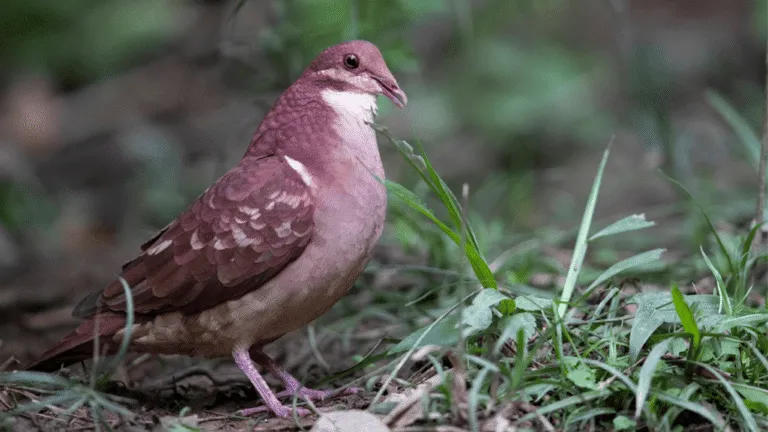
This Caribbean quail-type visitor shows a pale front, darker back, and a bold white face stripe. Historically a Keys breeder in the 1800s, it now appears only as a rare non-breeding vagrant to Florida.
White-tipped and Zenaida Notes
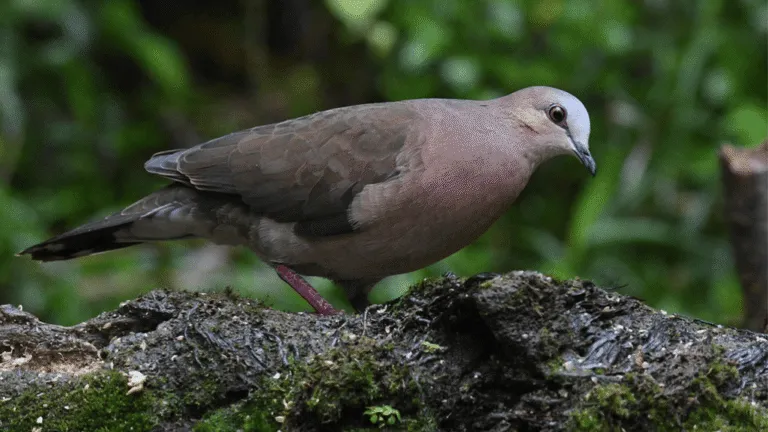
The White-tipped species is larger (≈11 in, ~5.5 oz) and named for its neat white tail edging; it is scarce but seen annually in southwest Texas and can be assertive at feeders.
The Zenaida, mostly Caribbean in distribution, shows up rarely in Florida. Hunting and island habitat change push some individuals into urban areas, altering local range patterns.
- Quick fact: compare size to the common ground dove to avoid confusion.
- Confirm reports with local alerts and photos focusing on plumage, tail edges, and behavior.
Global Diversity of Dove Breeds by Genera
Explore how global genera separate similar species by body shape, plumage, and habitat. The Columbidae family contains dozens of genera with distinct roles across the world.
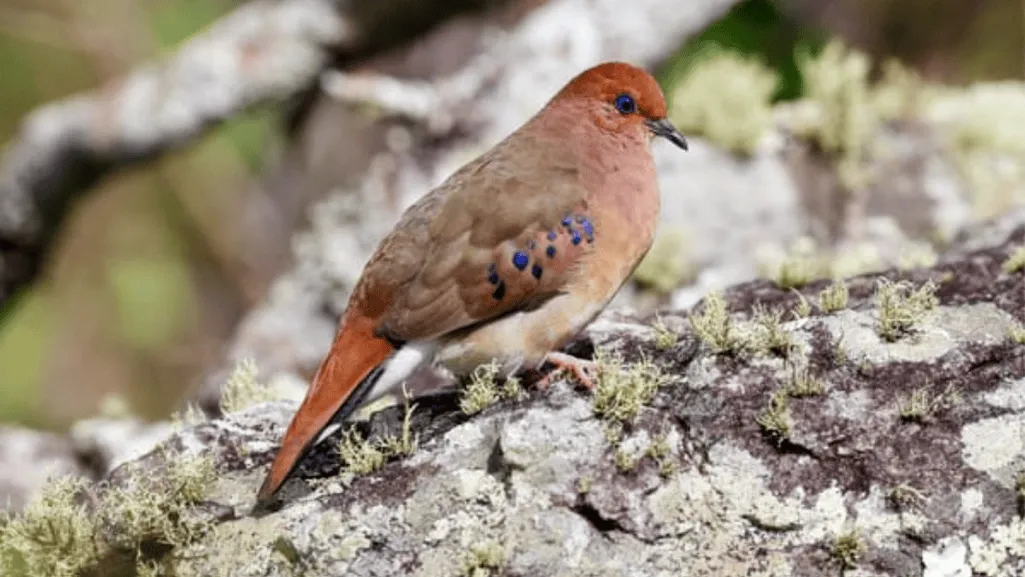
Columbina and ground specialists
Columbina holds small New World ground dove species. Think Common Ground Dove, the scaled Inca, and the ruddy-toned Ruddy Ground Dove. These birds spend much time on the ground and show cryptic back and body colors.
Quail-doves and island specialists
Geotrygon are shy neotropical quail-doves like the Key West Quail-Dove, often with a white facial stripe and iridescent neck. Leptotila includes White-tipped and several island endemics that face high conservation pressure.
Australasia and colorful ground types
Geopelia gives us long-tailed Zebra and Diamond doves with barred or spotted wing patterns and extended tails. Claravis contains colorful ground doves, some critically endangered. Macropygia are long-tailed cuckoo-doves across Indomalaya and Australia, often island-associated and vulnerable to local extinctions.
- Compare wings, tail feathers, and body shape to narrow an ID.
- Use range and habitat to avoid mixing similar species and pigeons doves in field notes.
Habitats and Behavior: Forests, Ground, Trees, and Flight
Habitat choice drives how species feed, hide, and take flight across different landscapes. Where a bird lives explains much about its daily moves, flocking, and escape habits.
Ground foragers vs. arboreal specialists
Ground foragers work open areas and edges. Many are stout-bodied seed eaters that walk and peck in pairs or small flocks.
They use quick takeoff flight as a primary escape. A ground dove will often explode upward and level off low to avoid a predator.
Arboreal and understory species rely on trees and dense shrubs for cover. These birds flush short distances and slip back into foliage.
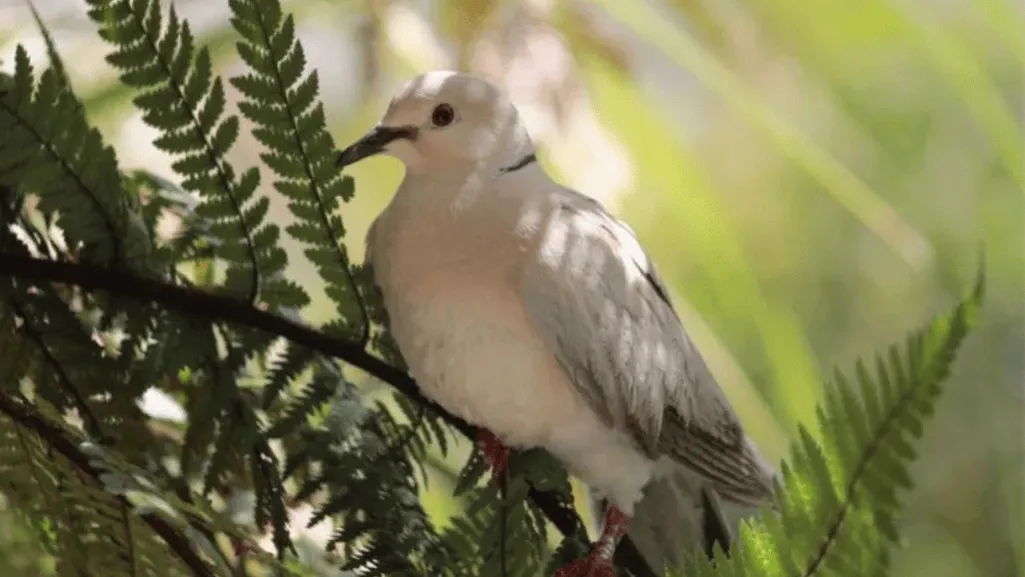
Range, habitats, and daily routines
Desert edges, island coasts, suburban parks, and forest floors create different schedules and movements.
Some species commute between feeding areas and safe roosts; others stay close to a single cover patch. Urban-adapted pigeons and doves use buildings as cliff analogs and exploit lawns and feeders.
- Water and seed availability concentrate birds at dawn and dusk, aiding observation.
- Isolated islands can produce tame or very shy behavior depending on predators.
- Pair-bonded species may feed in loose ground groups, while forest forms move singly or in pairs.
Practical tip: scan ground edges early and late for ground dove activity, and check mid-level branches near fruiting trees for forest species. Combining habitat context with size and flight style gives the most reliable ID.
How to Identify Doves: Field Marks, Calls, and Flight
Begin with a quick scan: size, posture, and the shape of the tail tell you a lot.
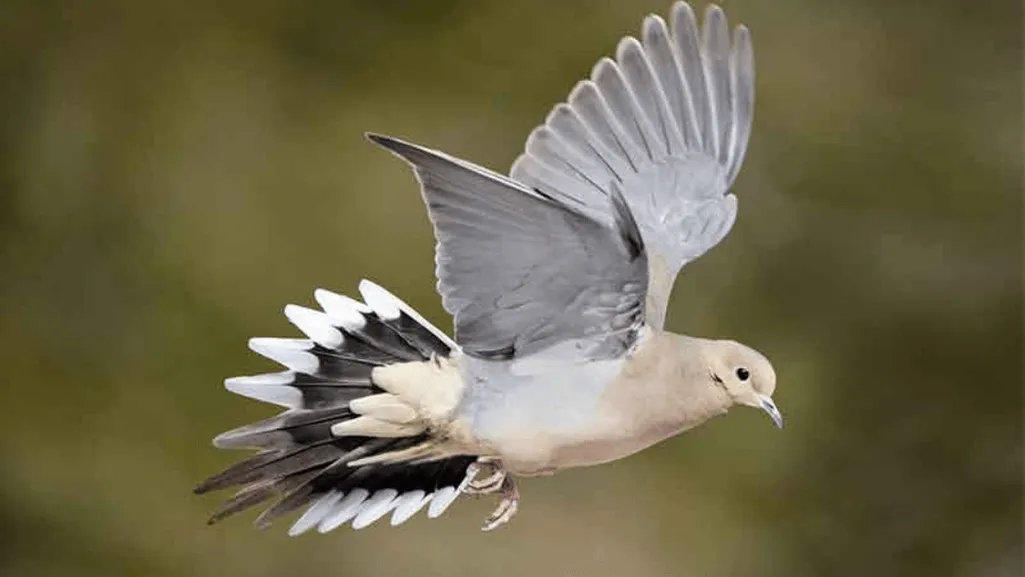
Body, wings, and tail feathers: key ID features in the field
Start with silhouette. Note body size, head proportion, and tail length. Longer, pointed tails often point to Mourning dove; short, square tails suggest ground types.
Watch the wings at takeoff. Many species give a whistling wing sound. Check tail feathers for clean white edges or subtle barring to split lookalikes.
Plumage patterns and eye rings: spotting species at a glance
Inspect the back and wings under good light. Scaled plumage signals Inca species; spotted backs are classic for Mourning.
Look for pale eye rings and facial marks. White wing bars identify White-winged, while tiny sandy birds with dark wing spots point to the common ground dove.
Calls and coos: from mournful notes to purring “turr turr”
Listen as you watch. The soft, mournful coo belongs to Mourning; turtle doves give a rolling, purring “turr turr.”
Combine call, behavior, and habitat. A tiny bird feeding on open ground near scrub is likely a common ground species. For tips on attracting and observing backyard birds, see feeding and attracting birds.
- Compare size and body first, then refine with wings, tail, and face.
- Note flight style: long, direct glides vs. short hops between cover.
- Keep quick field notes on feathers, back markings, and call to build skill.
“Dove Breeds” in Everyday Language vs. Scientific Classification
Common language and scientific lists sometimes tell two different stories about the same bird. That gap causes confusion for observers, apps, and signs.
There is no biological difference between what many call a dove or a pigeon: both are members of the family Columbidae. The term “pigeon” comes from French/Latin roots, while “dove” has Germanic origins. This history explains why a single word choice often reflects culture, not science.
Why names vary and how to handle it
- Everyday use: “dove breeds” appears in pet trade and casual speech; field guides list species by scientific names.
- Same bird, different label: the Rock Dove in the wild is the same as urban feral pigeons; color variety comes from domestication.
- Practical steps: prioritize species-level traits, note the official name, and cross-check local guides to resolve mismatches.
Focus on morphology, habitat, and behavior when identifying birds. Taxonomy can change, but visible traits remain the clearest path to a correct record.
Doves and People: Culture, Backyards, and Urban Life
People and these birds have shaped each other’s lives for thousands of years. Archaeological evidence shows domestication going back over 5,000 years, which explains why pigeons thrive near human settlements today.
From symbols to city soundtracks
The word “dove” often serves as a cultural symbol of peace and devotion. Homing pigeons, the same species as the Rock Dove, carried messages across wide areas and served in wartime.
Feeding and observing responsibly
Urban architecture mimics cliffs, so city pigeons nest on ledges and roofs. At the same time, adaptable species like Mourning and White-winged use feeders, lawns, and trees in neighborhoods.
- Provide clean water and limit seed to prevent crowding and disease.
- Plant native trees and shrubs to offer natural food and cover for many species year-round.
- Watch early and late in the day; use binoculars to note wing and tail patterns for ID.
Fact: ground dove species prefer open patches and edges, so keep some clear for safe foraging while preserving nearby cover. Check local updates—range and seasonal movements affect which birds you see.
Conservation Status and Population Trends
Monitoring how populations shift over time reveals which species need immediate help and which are stable. Reliable data on counts, distribution, and range changes guide conservation in the United States.
Common residents vs. vagrants: tracking U.S. populations year-round
Some species are abundant and widespread, such as the Mourning resident found across many habitats. Other species appear only as rare visitors, like the Key West Quail-Dove and regional Zenaida records.
Year-round monitoring separates regular residents from vagrants and improves our understanding of where effort should focus.
Threats: habitat loss, hunting pressure, and urban adaptation
Leading threats include habitat loss and fragmentation, localized hunting pressure, and climate-driven shifts that compress suitable areas. Island-associated species face the steepest risks; limited islands magnify loss when habitat is converted.
“Good data drives good decisions — from hunting seasons to habitat restoration.”
- Contrast: abundant populations like Mourning require different management than scarce island or vagrant species.
- Risks: hunting, disease, reduced food diversity, and collisions can harm even urban-adapted birds.
- Why tracking matters: counts inform seasons, limits, and restoration priorities across areas and islands.
- Local action: native plantings, clean water, and responsible feeding improve habitats and body condition, which affects flight and breeding success.
Participating in local counts and reporting sightings strengthens the data that protects species and guides recovery across the world and in your neighborhood.
Choosing a Feathered Friend: Pet-Safe Doves and Ethical Considerations
Before you welcome a companion, learn how wild habits shape good care. Geopelia favorites such as the Zebra Dove and Diamond Dove come from open, near-water habitats in Australasia. These small, calm birds suit owners who prefer gentle coos and manageable space needs.
Popular companion birds: Zebra and Diamond
Zebra Dove shows zebra-like barring; Diamond Dove has white diamond spots. Both species are small, quiet, and usually tolerant of gentle handling.
Legal, ethical, and care basics
- Match care to wild ecology: bright light, steady temperatures, clean water, quality seed mix, grit, and fresh greens.
- Source ethically: buy from reputable breeders or rescues and confirm legality in your state; never take wild individuals.
- Housing: a roomy, well-ventilated enclosure with horizontal flight room, varied perches, and calm rest spots.
- Vet plan: identify an avian veterinarian, schedule annual exams, and watch for fluffed feathers, lethargy, or low appetite.
- Enrichment & record-keeping: provide visual privacy, foraging toys, gentle social time, and keep a log of diet, weight, and behavior to spot changes over the years.
Remember: these members of the same family thrive with routine and proper care. Choosing a pet is a long-term commitment; pick a name, learn the species, and plan for responsible ownership.
Conclusion
Conclusion
This guide ties taxonomy, field marks, and practical tips into a clear path for learning about Columbidae in the United States and beyond.
The big picture: a single family contains roughly 344 species and about 50 genera, so the same rules help with city pigeons and smaller ground dove types across the world.
In the U.S., Mourning is widespread; White-winged, Inca, and Common Ground anchor regional lists, while a few Caribbean and Central American visitors turn up rarely.
Focus on size, tail shape, wing pattern, and calls to make confident IDs. Build a checklist, practice with photos, and share sightings to help conservation. This article aims to be a practical guide you return to as your skills grow.
FAQ
What is the real difference between pigeons and doves?
How many species are in the Columbidae family worldwide?
Which species am I most likely to see in the United States?
What are ground doves and how do they differ from arboreal species?
Are there rare dove visitors to the U.S. I should watch for?
What field marks help identify different species in the field?
How do genera like Geopelia and Geotrygon differ in appearance and range?
Can I keep a companion bird from genera like Geopelia legally and ethically?
What threats affect Columbidae populations and conservation status?
How do habitat and range shape dove behavior?
Why do common names like “species pigeons doves” cause confusion?
What signs indicate a healthy backyard population versus a problem with feral birds?
How can I responsibly attract native species to my garden?

 English