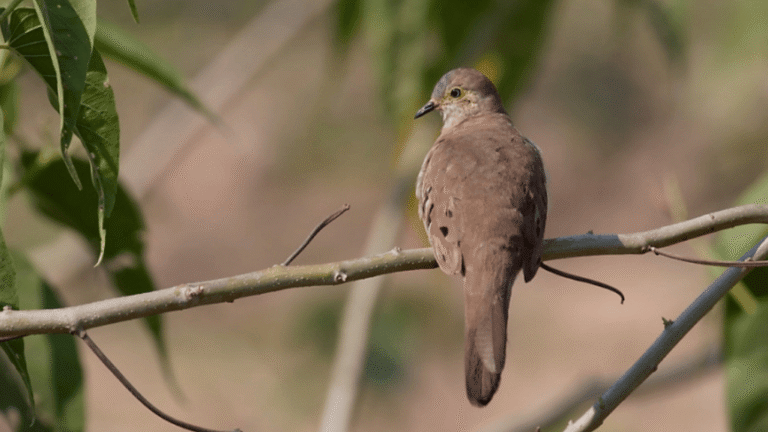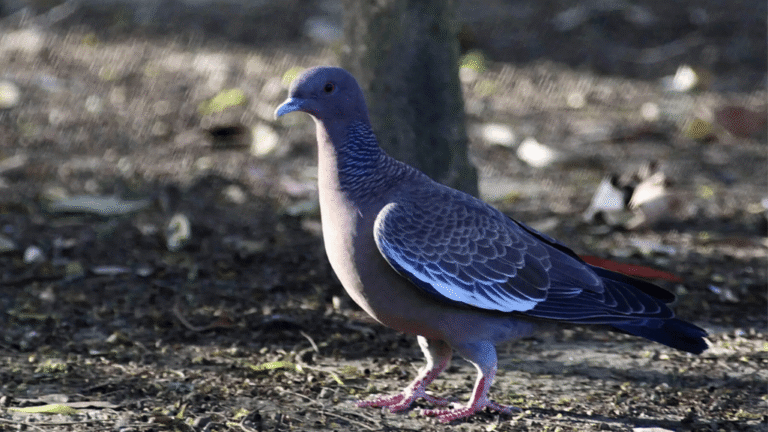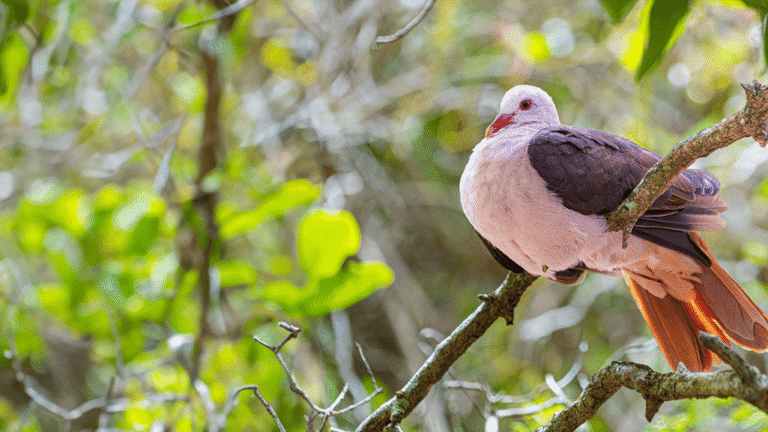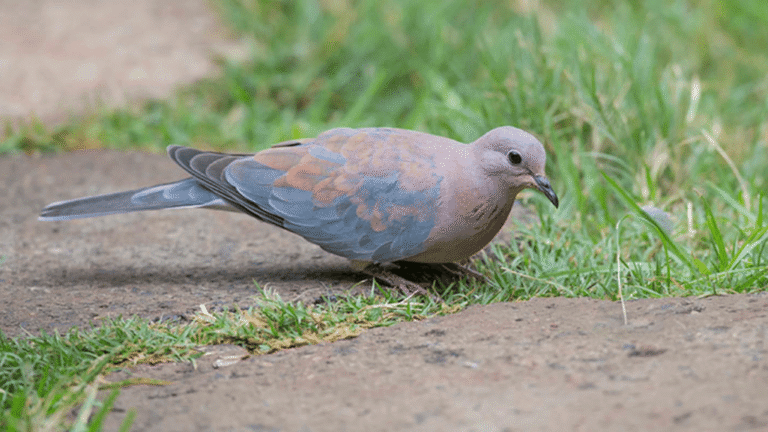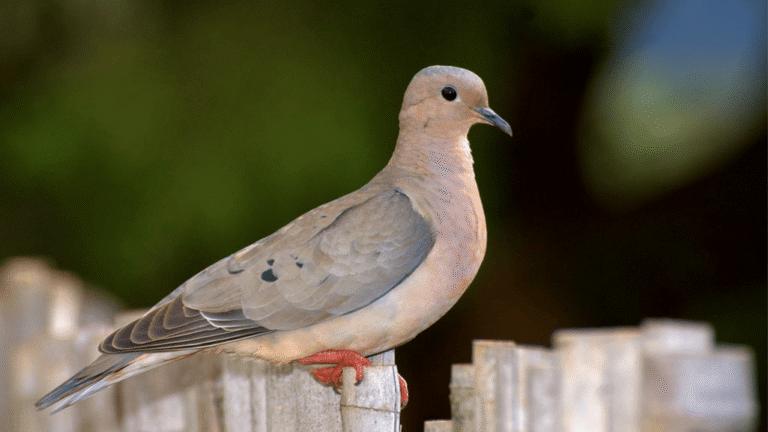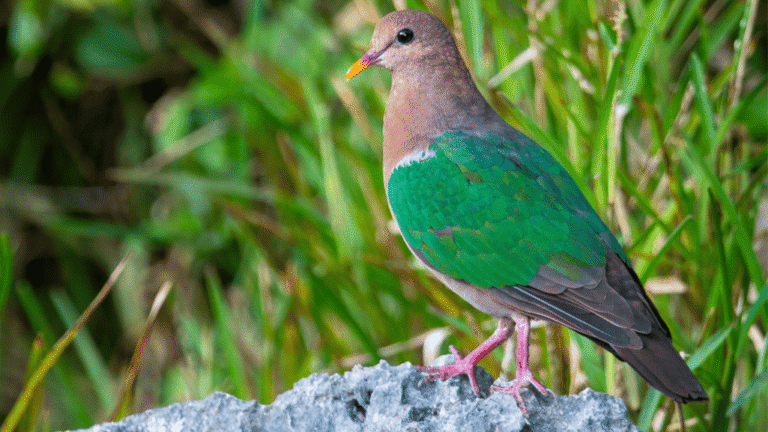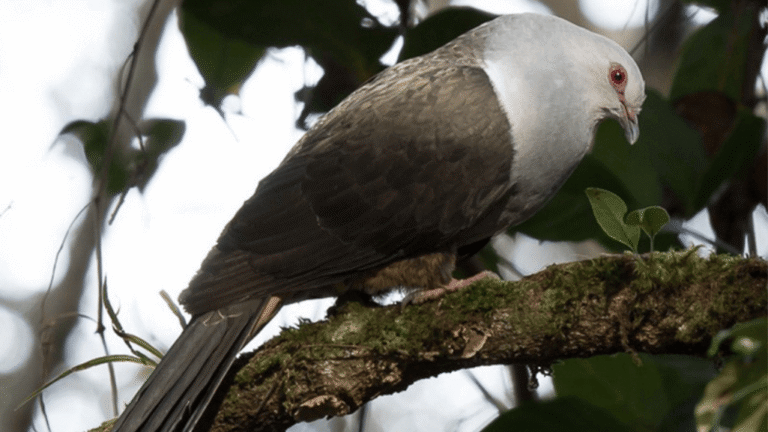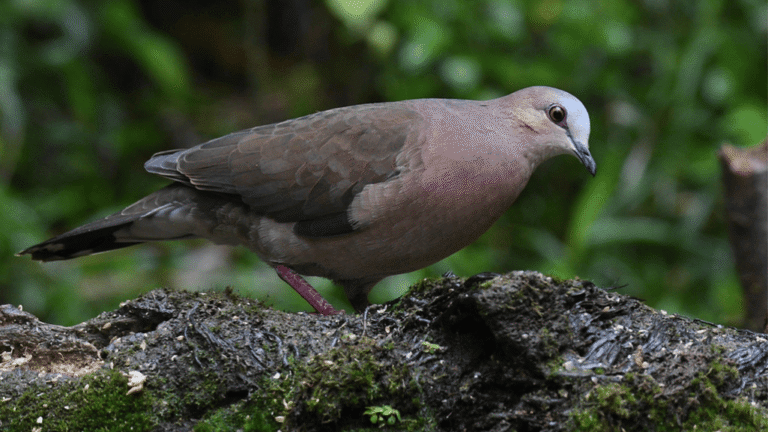


Finding a baby bird on the ground can feel alarming. Many people in the United States assume the animal is abandoned. In fact, a young member of the Columbidae family may be in a normal learning stage.
This short guide defines what a young bird is and explains why it might be on the ground. You will learn how to identify the age, take immediate safety steps, and set up temporary housing.
Note: In everyday speech the names for doves and pigeons overlap. That is why care tips often apply to both a dove and a pigeon from the same family. Many species eat seeds and fruit as adults, but babies receive different nutrition from parents early on.
Safety first. Keep the baby warm, limit handling, watch for a short observation window, and know when to call a licensed wildlife rehabilitator. Laws and best outcomes favor reunification with local parents rather than permanent hand-raising.
Key Takeaways
- Young Columbidae may look alone but often need observation, not rescue.
- Follow a safety-first plan: warmth, minimal handling, short watch time.
- Care guidance overlaps for doves and pigeons because they are same family.
- Baby birds need different food than adult seeds; feeding must match age.
- Contact a licensed rehabilitator when injuries or prolonged abandonment occur.
How to Tell If You’ve Found a Dove Fledgling or a Baby Bird That Needs Help
Quick assessment beats panic. Look at feathers, movement, and where the bird is resting before intervening.
Key visual checks
- Fledged youngster: mostly feathered, alert, able to hop or walk, may flutter but not fly well.
- Nestling: bare or downy, weak, eyes may be closed, little mobility — this bird usually needs rescue.
- Mourning species clues: rapid growth, compact body and large eyes are common; these babies can leave the nest in about two weeks.
Normal hiding and parental visits
Young birds often hide under low vegetation on the ground. Parents may feed in short visits and stay out of sight to avoid predators.
“Finding a bird alone is not proof of abandonment — watch from a distance for a short time.”
When to act now
Rescue if you see: visible injury or bleeding, a cold or limp posture, persistent immobility, or immediate danger like traffic or pets.
- Move to a safe nearby cover if in danger.
- Observe quietly for 1–2 hours for parent visits and feeding posture.
- If no improvement, contact a rehabilitator or learn more about caring for a young.
Understanding Doves and Pigeons in the U.S.: Why They Look Similar
Many neighborhood birds share traits because they belong to the same family. Columbidae includes multiple species, so birds we call pigeons or doves often look alike.

Everyday names versus biology
The words people use—dove or pigeon—are mostly common labels, not strict science. Biologists group these birds in Columbidae, so the naming difference is colloquial and inconsistent.
Common species you’ll see
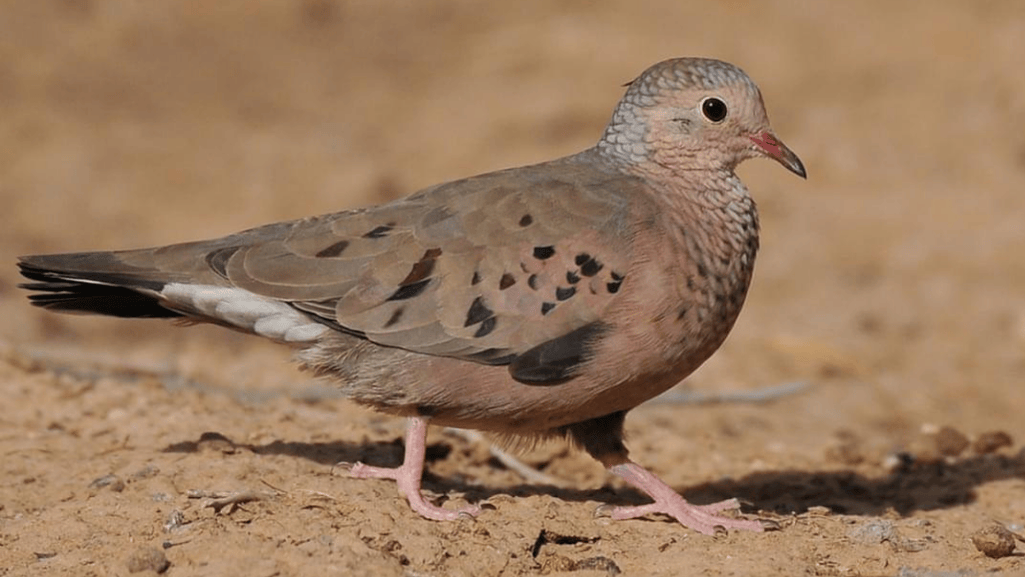
- Mourning doves are frequent in yards and trees and often show up near feeders.
- Rock pigeons or domestic pigeon descendants are common in cities, on ledges, and near buildings.
- Both species and their many breeds feed largely on seeds and fruit and live close to people.
Why they look similar: shared traits like compact bodies, small heads, and short beaks make several species appear alike. That can confuse identification but should not delay first-response care: safety, warmth, and minimal stress remain the priority.
What to Do First When You Find a Dove in the Road, Yard, or Ground Nest Area
Quick, calm action protects the little bird without breaking ties to its family. Move the animal only a short distance into nearby cover and then watch from a distance for a realistic time before intervening further.
Safe relocation steps
Gently scoop the baby with two hands or a small towel. Carry it a few feet, keeping it in the same area so parents can still find it.
- Move to low grass, beside a shrub, or near trees—avoid deep hiding spots.
- Place it under light cover like a low bush or beside a wood pile where predators have less line-of-sight.
- Keep handling minimal and quick to reduce stress.
How long to observe
Watch quietly from at least 15–30 feet away. Allow one realistic time window of 1–2 hours for parents to return.
Do not assume abandonment after a single missed visit.
Overnight emergency shelter basics
If the bird faces immediate predator risk, darkness, or severe weather, bring it inside for one night in a small box with a soft cloth and warmth.
Release it near the original spot at first light unless injury or continued danger exists.
“Short moves and short waits usually let local species reunite without needless rescue.”
Do not attempt to raise it as a pet or transport it far from the area. If injury or prolonged absence of parents occurs, contact a licensed rehabilitator.
Setting Up a Safe, Warm, Temporary Home for a Baby Dove
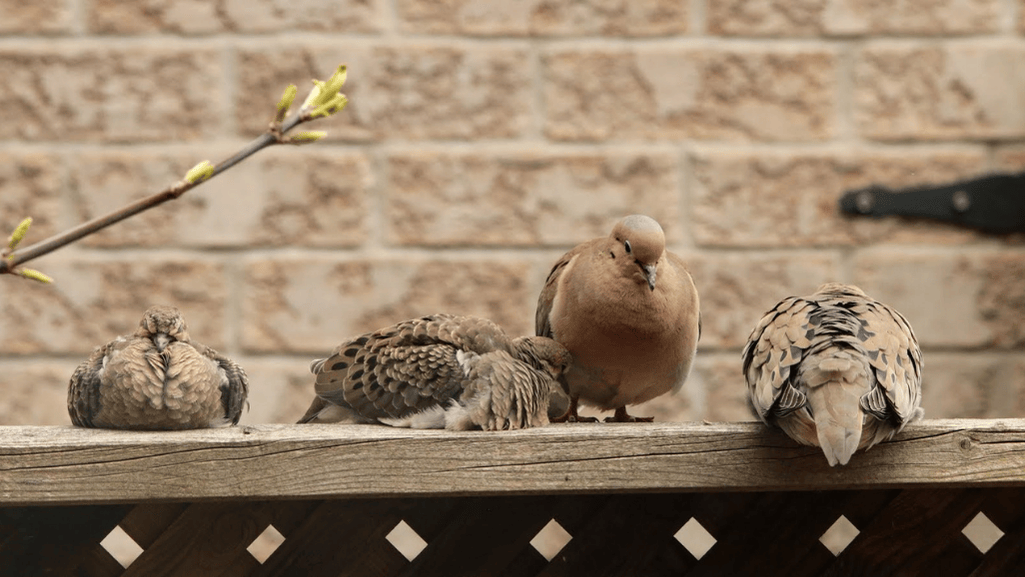
Create a small, stable shelter that mimics a nest to reduce stress and risk of injury. Use a compact cardboard box or a small pet carrier lined with a soft, non‑slippery cloth. Shape the cloth to form a shallow cup so the bird stays upright and cannot slide or splay.
Container and bedding options
Safe setup: small box or carrier, soft cloth, and low walls for support. Avoid loose, stringy fabrics that can tangle toes. Do not use plastic as the primary bedding because it causes slipping and skin issues.
Heat and basic support
Provide gentle warmth under half the container so the baby bird can move toward or away from heat. A warm water bottle wrapped in cloth or a low‑wattage heating pad on low works well. Warmth often matters more than feeding at first; a warm bird resists shock and will show better posture and weight.
Stress reduction and predator-proofing
Keep the box in a quiet room, away from busy areas. Limit handling to brief checks and keep lighting dim to prevent panic.
- Keep pets and children out of the area.
- Close doors, cover reflective windows, and block gaps where the bird could escape.
- Place water and a shallow dish nearby only if the bird is alert; do not force a bottle or droplet method without guidance.
Hygiene & safety: wash your hands after any hand contact and do not place the box near food prep areas. Watch weight and posture: a bird that is upright, warming, and more responsive is likely to stabilize and rejoin its species or parents.
dove fledgling Feeding Basics: What They Eat, How They’re Fed, and When It Changes
Newly hatched members of the pigeon family rely on a special nutritive fluid before they peck at seeds. Both parents produce a thick secretion from the crop, commonly called crop milk, and feed it directly to the young. This shared care gives chicks the protein and fat they need in the first days.

How parents feed
Crop feeding: the parent regurgitates a paste into the chick’s beak. Both parents take turns, so solitary presence does not mean neglect.
Transition to seeds
As the baby grows, it becomes able to peck and swallow small seeds. Look for steady head control, alert posture, and interest in pecking. At that point, offering appropriate seed mixes makes sense.
Why bread and crumbs are harmful
Bread and random crumbs lack nutrients, swell in the gut, and can cause malnutrition. Do not substitute these for balanced food; they can leave a chick full but starving.
Feeding-ready vs. stressed
- Feeding-ready: warm, alert, holds head steady, responsive to movement.
- Stressed: cold, fluffed, eyes closing, limp—prioritize warmth and quiet before any food.
“Feeding is the most error-prone step; when unsure, favor warming and reunification with parents.”
For practical tips on species like mourning birds and safe hand‑care, see this guide to baby mourning doves. Remember: crop feeding early, seed-based diet later—this pattern holds across many Columbidae species, including pigeons and doves.
Emergency Feeding With Items You Might Already Have at Home
In a roadside or overnight emergency, simple pantry items can stabilize a hungry baby until you reach help in the morning.

Short-term seed options
- Plain small seeds: sunflower kernels (hulled), millet, or a basic bird seed mix work for a stabilized, alert chick.
- Avoid salty, flavored, or processed snack foods. Do not offer bread, chips, or candy.
- Do not feed seed to a very young nestling that still needs crop feeding from parents.
How to offer food safely
Place a tiny amount in a shallow dish and set it where the bird can peck. Let it explore the food on its own. Do not force-feed or push items into the mouth.
If the bird won’t eat
- Check warmth first — a chilled bird will not feed.
- Reduce handling, wait one short time, then reassess alertness and weight.
- Contact a licensed rehabilitator if refusal continues or weight drops.
One missed feeding overnight is safer than improper hand feeding; the goal is short stabilization until reunification or professional care, and remember laws in the United States may limit keeping wild species.
Hydration and Safety: Water, Crop Function, and Why Improvised Tools Can Be Risky
When a small bird looks thirsty, water may seem like the obvious fix—but the wrong approach can cause harm. Before offering liquid, understand how columbid physiology and simple risks interact so you don’t worsen the problem.
Why open water bowls can be dangerous
An open bowl may soak a weak baby’s down, chill its body, and reduce its ability to stay warm. Wet feathers also trap dirt and can lead to hypothermia.
Small birds can easily inhale liquid when they are too weak to hold their heads steady. Aspiration causes pneumonia and can be fatal.
Hydration and crop function in these species
The crop stores and softens food before digestion. Hydrating a chick improperly can dilute crop contents or push fluid into the airway. Even when thirsty, the crop and digestive timing matter.
Hydration red flags and tool risks
- Red flags: weakness, low responsiveness, eyes closing, and a fast weight drop — seek urgent help.
- Tool warning: plastic droppers, syringe tips, or a water bottle cap can squirt fluid too fast and cause aspiration.
“Warmth and quiet stabilize more effectively than immediate watering.”
Safer first steps
If dehydration is suspected, warm the bird and keep it calm. Contact a licensed rehabilitator rather than forcing a drink. Only trained personnel should use precise techniques with a small bottle or syringe to restore fluids safely.
Growth Timeline and Daily Care: What “Normal” Looks Like Over Time
Rapid development is the rule for many small species in the Columbidae family. Expect visible change each day as young move from down to feathers and gain strength.
Early growth and nest leaving
Mourning dove chicks can double in size quickly. Most leave the nest at about two weeks of age.
This is normal across many pigeons and doves: fast growth, short nest time, and quick milestones.
Post-nest phase on the ground
After the nest stage, young birds often hide under low vegetation on the ground for a couple of days.
Parents usually stay nearby and keep feeding until the juveniles master flight and foraging.
Mobility and learning to fly
Strong legs let babies walk and hop before they fly well. This walking stage may look like an injury but is age-appropriate.
Wings strengthen over days as they practice short bursts until sustained flight develops.
- Daily-care checkpoints: warmth, calm, a small safe box, minimal handling, and readying for reunification.
- Watch posture, weight, and alertness — these show progress.
- Keep the bird near the original area so parents can resume care when possible.
“Rapid change and ground hiding are usually part of the normal end of the nest stage.”
Not normal: persistent inability to stand, wing droop, head tilt, bleeding, or long immobility. These signs mean contact a licensed rehabilitator rather than releasing.
Reuniting With Parents and Releasing Safely in the Same Area
Releasing a small bird close to its initial location helps the local adults find and care for it. Choose a sheltered spot near cover so parents can see and reach the youngster quickly. Good choices include low shrubs, under branches of trees, beside a stable rock edge, or near the original nest area.
Best release timing and location
Time your return for daylight when adult pigeons and doves are most active. Avoid the hottest mid‑day hours to reduce heat stress. Place the baby on soft ground near trees, a dense shrub, or a rock ledge so predators have less access and adults can perch nearby.
Signs parents have resumed care
Watch from a distance. Look for adults perching nearby, short feeding visits, or the baby staying calm and close to its original spot. These actions show parents have resumed care and the reunion is working.
When release isn’t safe
Do not release if you see visible injury, persistent immobility, repeated predator presence, or steady decline after warming. In those cases, contact a rehabilitator rather than forcing a return to the wild.
Keep observation quiet and brief; the goal is a safe end to human care and a swift return to wild species management in the same areas.
- Observe from a distance and limit foot traffic.
- Keep pets indoors until the family is reunited.
- Return the baby to the same rock or shrub edge when possible.
Conclusion
When you spot a lone baby in your yard, the best outcome usually keeps it near its original wood or shrub cover.
Most young pigeons and small doves are not abandoned. The safest plan is to remove immediate hazards, keep the bird warm and calm, then watch from a distance for a short, realistic time.
Only consider emergency food after warmth and observation, and avoid improvised feeding or forced watering. Do not handle the bird more than needed, and do not keep wild species beyond brief stabilization because of welfare and laws.
Final checklist: confirm the baby is stable; choose a sheltered release spot near trees or wood piles; observe discreetly for parental return; call a licensed rehabilitator if signs worsen. For data on survival and parental care for pigeons and doves, see this note on pigeons doves survival.
FAQ
How can I tell if I’ve found a baby bird that needs help or a young mourning dove just learning to move?
Look for feathers and mobility. A nestling has few feathers and cannot perch or walk well; a juvenile has most feathers, moves around, and may be on the ground near cover. Parents often continue feeding fledglings for several days, so watch quietly from a distance for 1–2 hours before intervening. If the bird is injured, cold, or obvious prey for predators, act sooner.
What’s the difference between mourning doves and rock pigeons and why do they look similar?
Both belong to the Columbidae family, so they share body shape, crop function, and seed-based diets. Mourning doves are slim with long tails and are common in yards and wood edges. Rock pigeons are stockier, often near buildings and urban areas. Species and behavior help identify them, but young birds can look alike until adult markings develop.
What should I do first if I find a young bird on the road, in the yard, or near a ground nest?
Move it only if immediate danger exists. If you must relocate it, place it in nearby cover—low branch, shrub, or a safe spot off the road—so parents can find it. Avoid taking it indoors unless injured or orphaned. Observe from a distance for several hours to see if parents return and feed the chick.
How long should I watch before deciding to rescue a seemingly unattended chick?
Watch for at least one to two hours during daylight. Parents may leave briefly to gather food. If the bird shows signs of injury, is cold, has visible wounds, or a predator is nearby, bring it inside and contact a licensed wildlife rehabilitator or vet.
If I must shelter a baby bird overnight, how do I set up a safe temporary home?
Use a small cardboard box or plastic container with soft cloth lining and low sides so it won’t escape. Keep the box in a warm, quiet, dim place and limit handling. Ensure good ventilation and block pets and open windows. Avoid placing the bird under direct heat or in bright light.
What do parents feed their chicks and how does feeding change over time?
Parents produce crop milk for the first days and then gradually introduce regurgitated seeds. Around a week to two weeks, chicks transition to eating small seeds directly. This shift happens as the crop and beak strengthen. Supplemental feeding by people should match this progression and be short-term.
Is bread or table scraps okay if I need to feed a young granivorous bird like a mourning dove or pigeon?
No. Bread, crackers, and random crumbs lack proper nutrition and can cause crop issues. Offer short-term, appropriate small seeds or a commercial seed mix that matches granivory, but only as an emergency measure while contacting a rehabilitator.
What safe, short-term feeding options might I have at home for a seed-eating chick?
In an emergency, offer small seeds such as millet or finely crushed mixed seed, moistened slightly if needed. Present seeds in a shallow dish on a flat surface so the chick can peck. Never force-feed or use inappropriate tools; if the bird won’t eat, focus on warmth and contact a rehabilitator.
How can I offer water without risking aspiration or drowning?
Do not offer open bowls to very young birds that cannot lift their heads. Instead, moisten food slightly or let the chick drink from a dampened soft food. Avoid improvised droppers like narrow plastic bottles unless you know proper technique; they can force water into the crop and cause harm. When in doubt, seek professional help.
What signs indicate dehydration or a crop problem in a baby bird?
Watch for weakness, low responsiveness, weight loss, a flaccid or distended crop, and eyes that appear sunken. If you suspect dehydration, keep the bird warm and contact a licensed rehabilitator immediately—do not attempt aggressive rehydration yourself.
How quickly do mourning-type chicks grow and leave the nest?
These birds develop rapidly. They often double in size early on and may leave the nest (fledge) in about two weeks. After fledging, they still receive parental care and hide under vegetation while they improve flight skills.
After fledging, why do young birds hide instead of flying away with their parents?
Post-fledge chicks have limited flight ability and rely on camouflage and nearby cover to avoid predators. Parents continue to feed them on the ground or from perches until they can fly reliably and forage independently.
When and how should I attempt to reunite a young bird with its parents or release it back near the original site?
Release within the same area and close to cover during daylight so parents can find the chick. Monitor from a distance for signs that parents resume feeding, like visits and feeding behavior. If the bird is injured, immobile, or predators are a persistent threat, do not release—get professional care instead.
What are the legal and safety considerations when handling wild baby birds?
Many states protect wild birds; handling may require authorization in some cases. Avoid long-term keeping unless licensed. Also practice safety: wear gloves if possible, limit handling, and minimize stress. Contact local wildlife rehabilitators, a veterinarian, or state wildlife agency for guidance.