
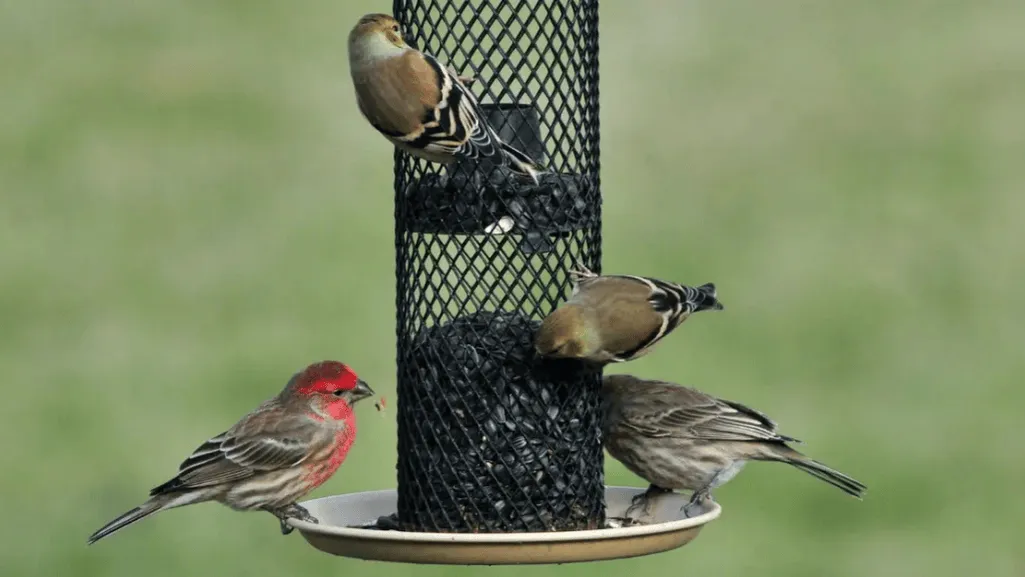

About one in three North Americans Best Bird Food visitors, and Americans alone buy more than a billion pounds of seed each year. This guide focuses on practical choices that attract more species and cut waste.
Research shows two seeds — white proso millet and black oil sunflower — draw the widest variety of feeder visitors. Black oil sunflower packs about 40% oil and has thin hulls, so it gives a high-energy bite that many species prefer.
We explain when to choose straight seeds or blends, how hulled chips reduce mess at extra cost, and why routine cleanup beneath feeders keeps your backyard safe. This introduction sets clear expectations for seasonal needs, feeder pairing, and simple hygiene that protect birds and save you time and money.
Key Takeaways
- Energy-rich seeds like black oil sunflower and white proso millet attract many species.
- Choose straight seeds or blends to match your feeder type and budget.
- Hulled options cut hull mess but can be pricier and spoil faster.
- Clean up hulls regularly to prevent mold and protect wildlife.
- Use practical guidance and product choices grounded in what birds actually eat; see a quick seed guide at types of bird seed.
Top Picks: Proven Bird Seed and Blends That Birds Actually Eat
Start with an anchor seed, add a low-mess blend, and include a suet or nectar option to cover seasonal needs. These choices draw reliable visitors and cut waste under feeders.
Black Oil Sunflower Seed: The budget-friendly magnet for many birds
Wagner’s Black Oil Sunflower Seed is an economical anchor. A 40 lb bag runs around $35 and fills hopper or platform feeders well. Its high oil content fuels cardinals, finches, and many other species.
Pennington Waste Free Nut & Fruit Blend: Low mess, high appeal
This mix uses hulled sunflower kernels, white millet, peanuts, and cracked corn to limit hull scatter. It attracts finches, grosbeaks, juncos, mourning doves, and sparrows while keeping yards tidy—ideal for small yards or apartments.
Pennington Nut & Fruit & Pennington Songbird options
The Nut & Fruit Blend adds sunflower chips, safflower, raisins, and dried cherries to broaden visits. Pennington Songbird Food is heavy on black oil sunflower and works well when you want consistent cardinal activity.
“A simple starter kit—anchor seed, a waste-free blend, plus a suet cake—saves time and invites variety.”
- Wagner’s black oil sunflower (anchor)
- Pennington Waste Free blend (low mess)
- One suet cake (seasonal add-on)
Avoid cheap, milo-heavy sacks that many species toss. Use clear nectar (water and sugar only) and a suet cake in cool weather to support woodpeckers and nuthatches.
The Best Bird Food by Seed Type: What Drives Visits and Value
Seed choice shapes which species visit, how messy your yard becomes, and the energy birds get from each offering.
Black oil sunflower remains the default. At roughly 40% oil, these smaller seeds give high energy and thin hulls that many birds can crack easily. That combination draws a wide variety of species to hopper and platform feeders year-round.
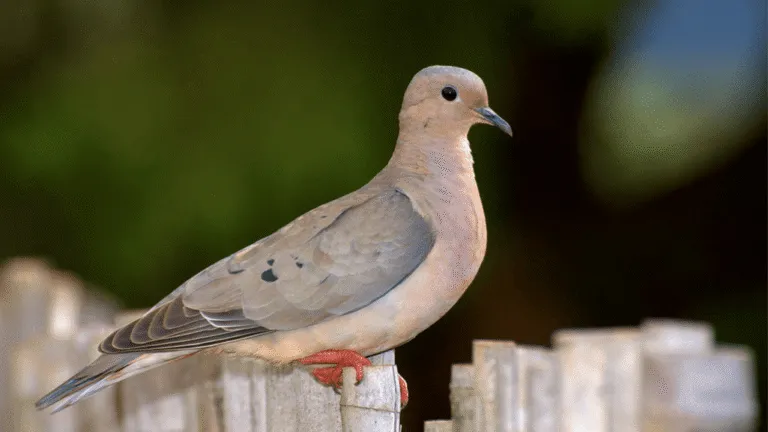
White proso millet favors ground-feeding species like sparrows, mourning doves, juncos, and towhees. Scatter millet lightly or use a tray to invite those visitors while keeping an eye on hull buildup.
Use safflower or striped sunflower strategically. Safflower suits cardinals and can deter some nuisance species. Striped sunflower is larger and tougher, which slows feed-through and cuts waste.
Add modest portions of peanuts, cracked corn, or dried fruit to diversify visitors—jays, woodpeckers, and thrush-like species will respond. For tidy yards, consider waste-free sunflower kernels or chips instead of in-shell sunflower seeds; they cost more but reduce mess.
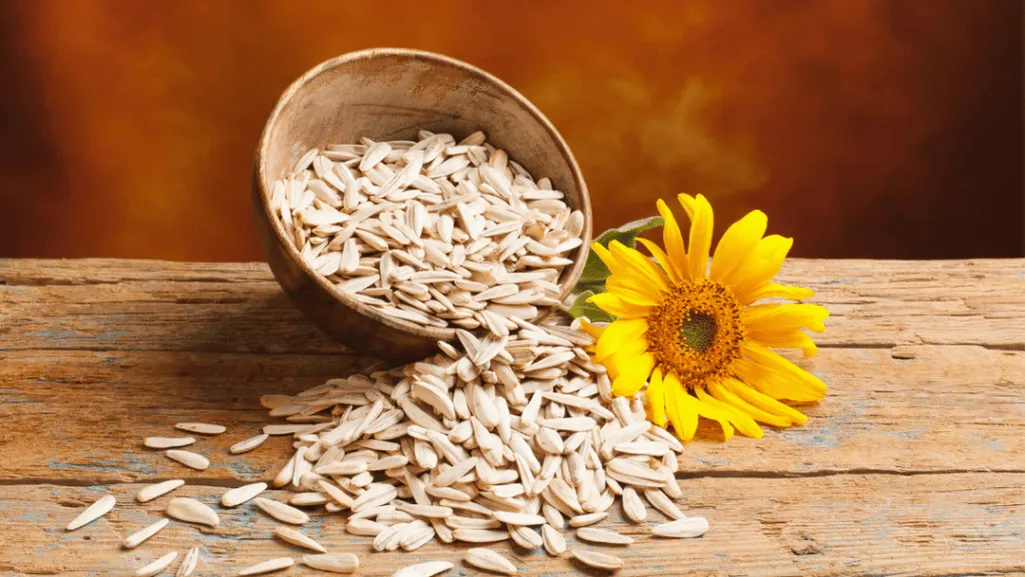
- Mix ratio suggestion: 60% black oil sunflower, 25% white millet, 10% chips/kernels, 5% peanuts or fruit.
- Avoid economy mixes heavy in red milo or excess cracked corn; many seeds end up uneaten.
- Match feeders and placement to the seed types for best results.
Match Food to Species: What Popular U.S. Birds Like and Which Feeders to Use
Choosing the right seed and feeder combo helps specific visitors find your backyard—and keeps waste down.
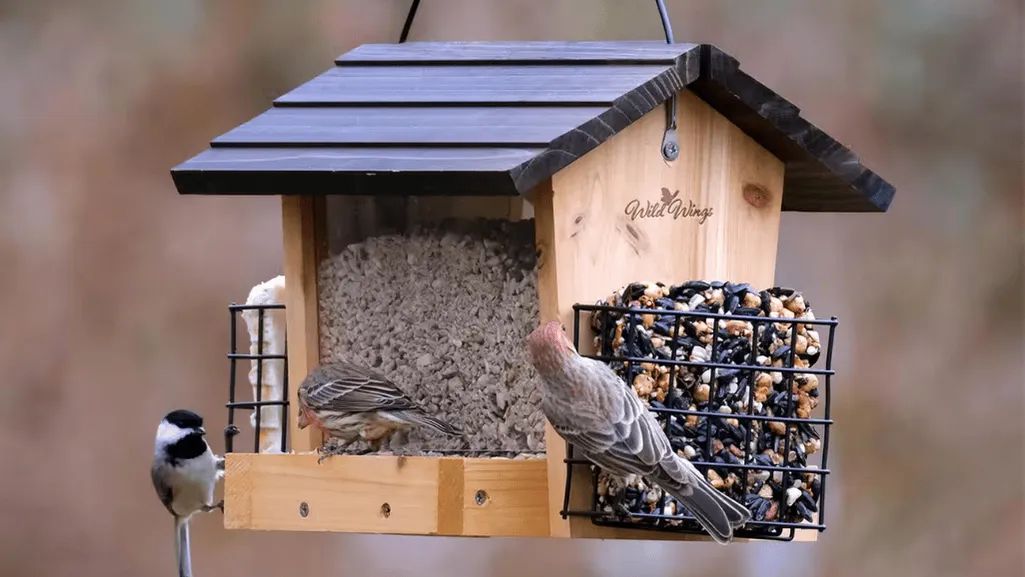
Northern Cardinals, Chickadees, and Titmice
Use hopper or platform feeders with sunflower-heavy mixes. Cardinals and chickadees favor black oil and striped sunflower, hearts, and chips.
Add safflower or a suet cake in cold months to boost energy and hold visits steady.
Goldfinches and Other Finches
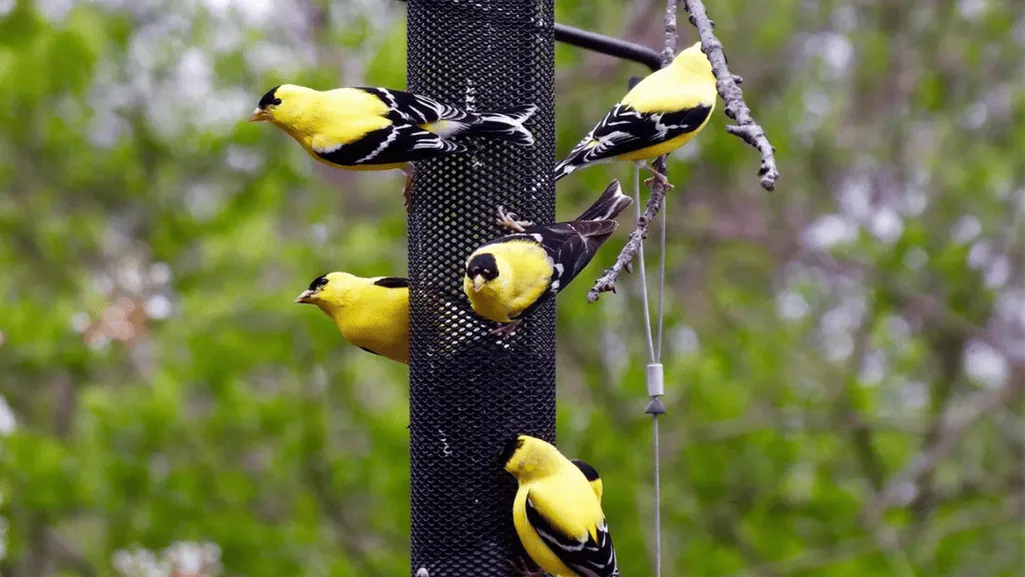
Install tube or nylon sock feeders loaded with Nyjer and sunflower hearts. This setup keeps small seeds flowing and limits mess.
Nuthatches, Woodpeckers, and Jays
Offer sunflower, peanuts, and suet on sturdy hoppers, platforms, or suet baskets. These species cling or hop while feeding and need solid perches.
Sparrows, Juncos, and Doves
Present millet-forward mixes on low platforms or scatter modestly on the ground. Monitor and clean to prevent mold and excess hulls.
Hummingbirds
Provide only clear nectar (sugar plus water) in a red-accented feeder. Refresh frequently, never add dye, and clean the feeder often in warm weather.
- Use hearts/chips to reduce hulls.
- Mix in peanuts to attract jays and add a little fruit during peak activity.
- Rotate feeder heights to serve multiple species and reduce crowding.
What to Avoid: Filler-Heavy Mixes That Waste Money and Create Mess
Cheap mixes often hide fillers that local birds ignore and leave under feeders. Many low-cost sacks use red milo, oats, wheat, or flaxseed that most feeder visitors deprioritize.
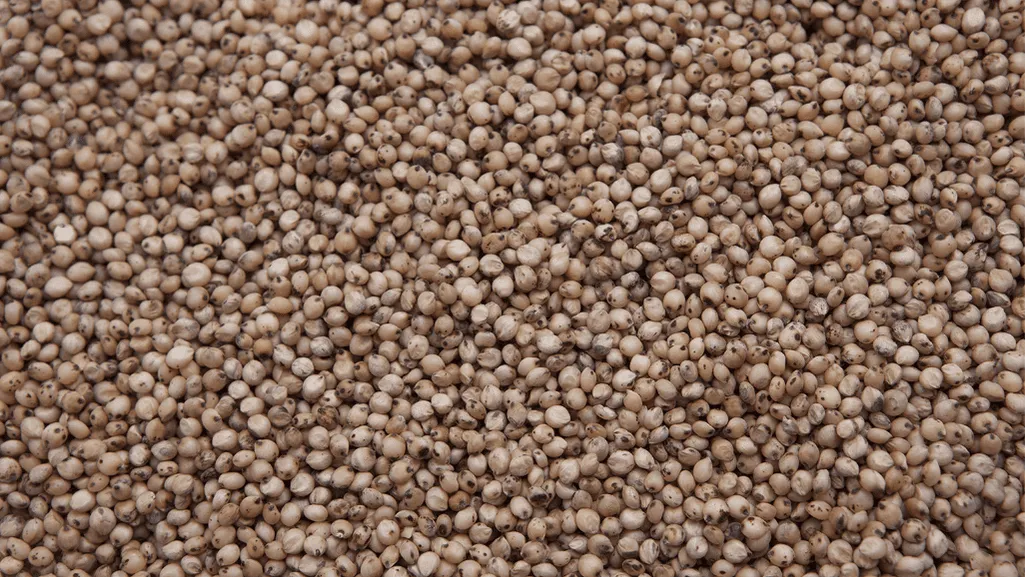
Red milo, oats, and low-value blends: Why birds toss them
Red milo and excess cracked corn often end up scattered on the ground. That wasted seed can sprout weeds or become a damp, moldy pile that is unsafe for birds and messy for your home space.
Spotting problem bags in-store: Clear views of milo and excess cracked corn
When shopping, look through clear bags. If you see visible red milo or large amounts of corn, leave it on the shelf. Prioritize mixes that list black oil sunflower, hearts, or white proso millet up front.
“Small savings on a cheap sack disappear when half the contents are rejected by birds.”
- Cheap fillers increase cleanup time and sanitation risks near patios.
- Spend slightly more on quality seed to reduce waste and attract more activity.
- For seasonal advice and placement tips, see our seasonal feeding tips.
Feeders, Placement, and Cleanliness: How to Get the Most from Your Bird Seed
Good placement and the right feeder type turn a simple sack of seed into reliable backyard visits. A clear plan reduces waste and keeps visitors healthy.
Picking the right feeder for each seed
Match design to seed: tube and sock feeders suit small seeds and chips. Hopper and platform feeders take mixed seed and larger pieces. Suet baskets deliver high-energy suet cakes to woodpeckers and nuthatches.
Manage hulls, ground waste, and hygiene
Black oil sunflower is energy dense but creates hull debris. Choose hulled kernels or chips or a waste-free mix to cut mess—handy for patios and small yards.
Set a cleanup routine: rake or sweep under feeders, remove wet piles on the ground, and scrub trays and perches. Rotate feeder heights and positions to spread activity and lower competition.
- Refresh nectar and rinse hummingbird feeders with clean water often in warm weather.
- Balance peanuts, safflower, and white millet to attract a wider variety while keeping sunflower seeds as an anchor.
- Track what visitors eat and tweak feeders and seed choices over time to save time and reduce waste.
Conclusion
A simple seed strategy wins: use black oil sunflower as your core and add white proso millet plus selective extras like peanuts, safflower, or occasional fruit.
Choose waste-free blends when cleanliness matters and match seed type to feeder style so visits stay steady. Tube or sock feeders suit finches; hoppers and platforms favor cardinals and chickadees; suet baskets draw woodpeckers.
Check labels to avoid red-milo and excess corn that most wild bird visitors ignore. Start small, watch what birds prefer at your feeders, and tweak seed mixes and placement for the best results.
Refresh water and nectar regularly and you will attract sparrows, chickadees, woodpeckers, and many birds you enjoy each day.
FAQ
How do I choose the right seed or mix for my backyard flock?
What makes black oil sunflower so popular with many species?
When should I add suet or nectar to my feeding plan?
Are waste-free sunflower chips worth the higher price?
Which seeds attract finches like goldfinches and other small species?
What should I avoid when buying commercial mixes?
How can I reduce mess and wasted seed under feeders?
What seed types work best for sparrows, juncos, and doves?
Can I feed peanuts and cracked corn, and which species benefit most?
How often should I clean feeders and refresh seed?
Which feeder types pair best with specific seeds?
How can I attract cardinals, chickadees, and titmice specifically?

 English