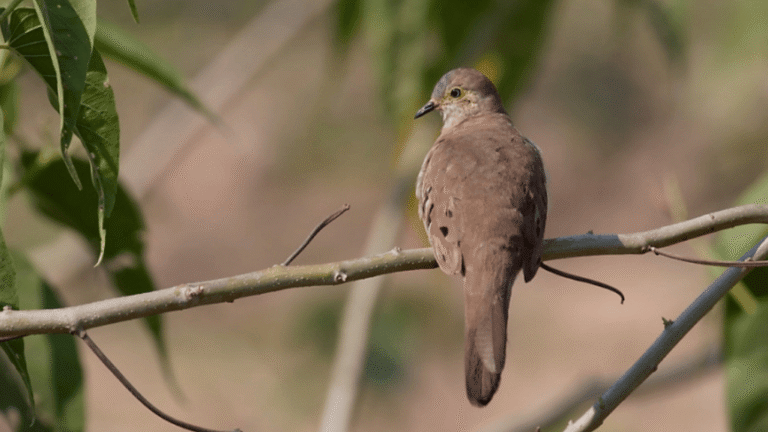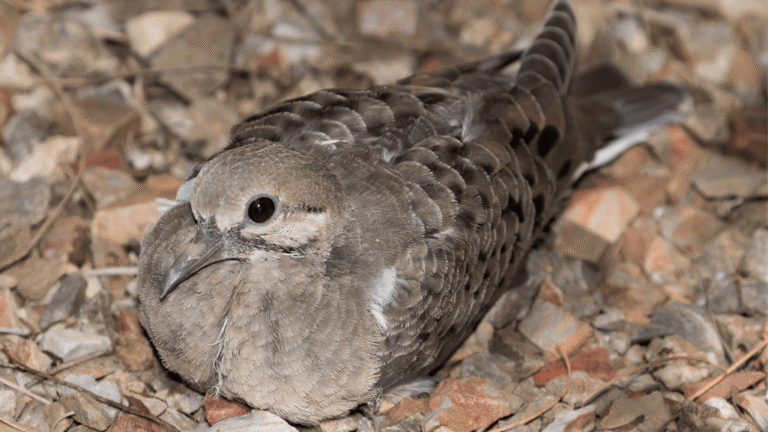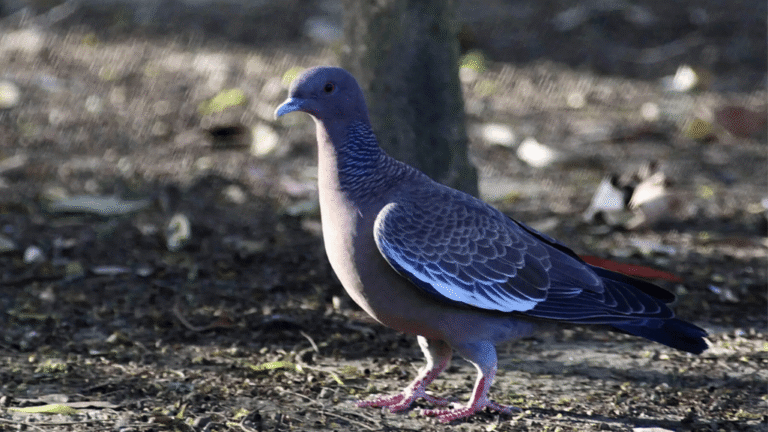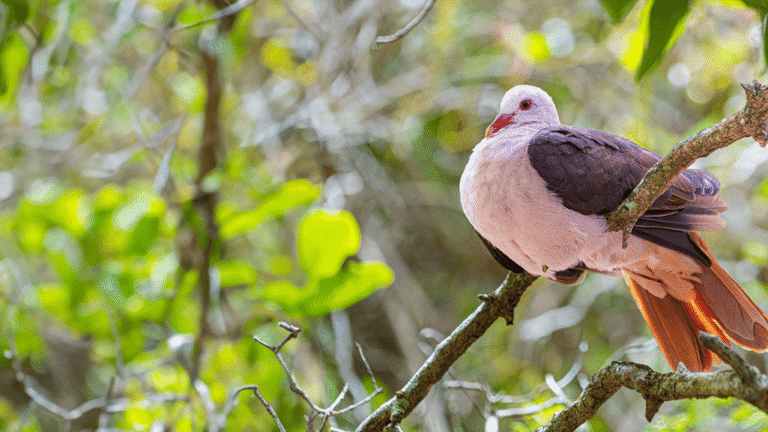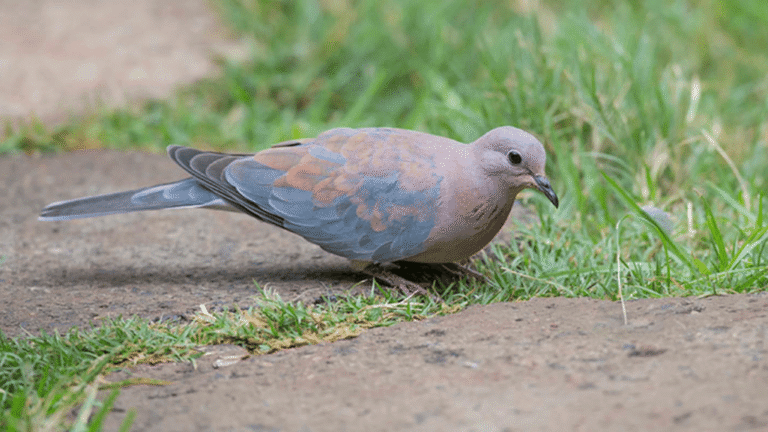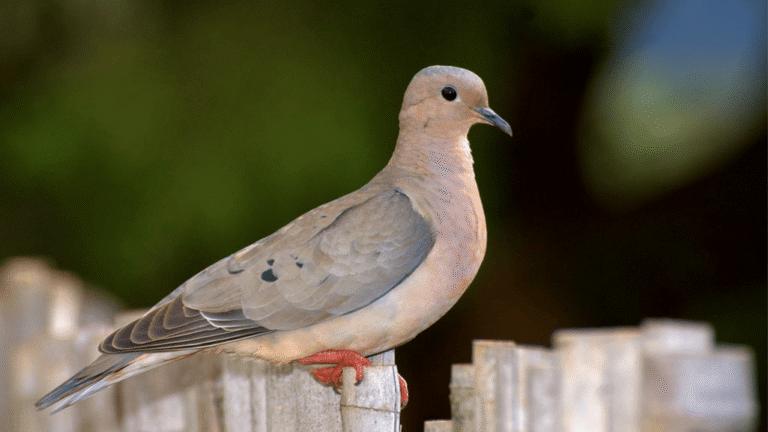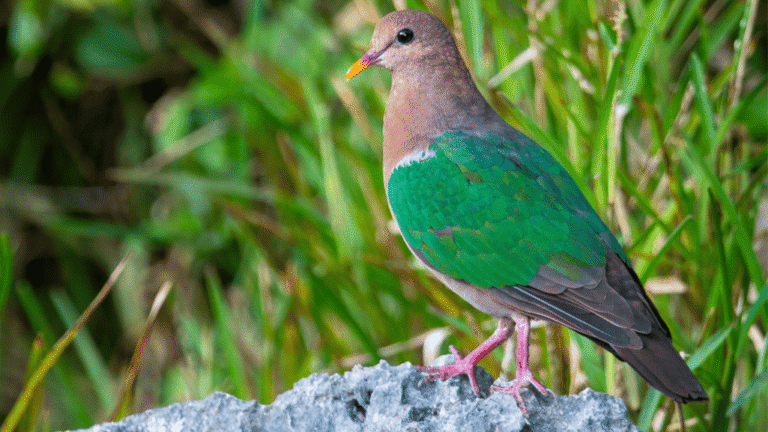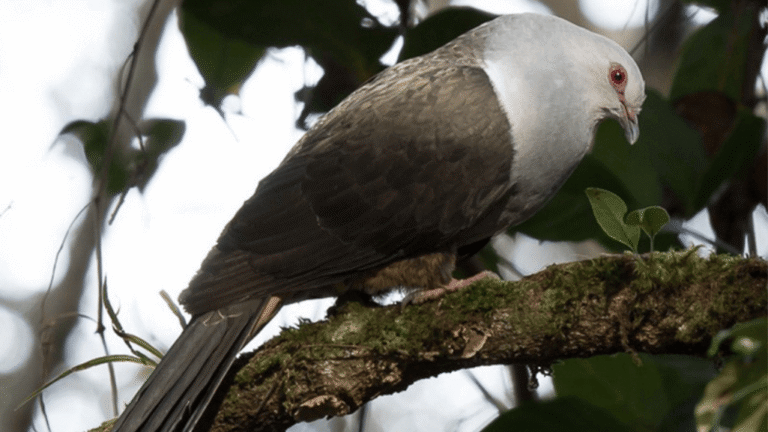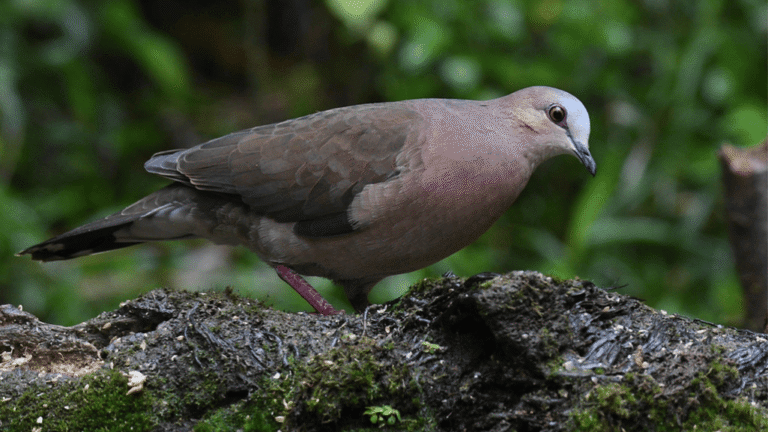
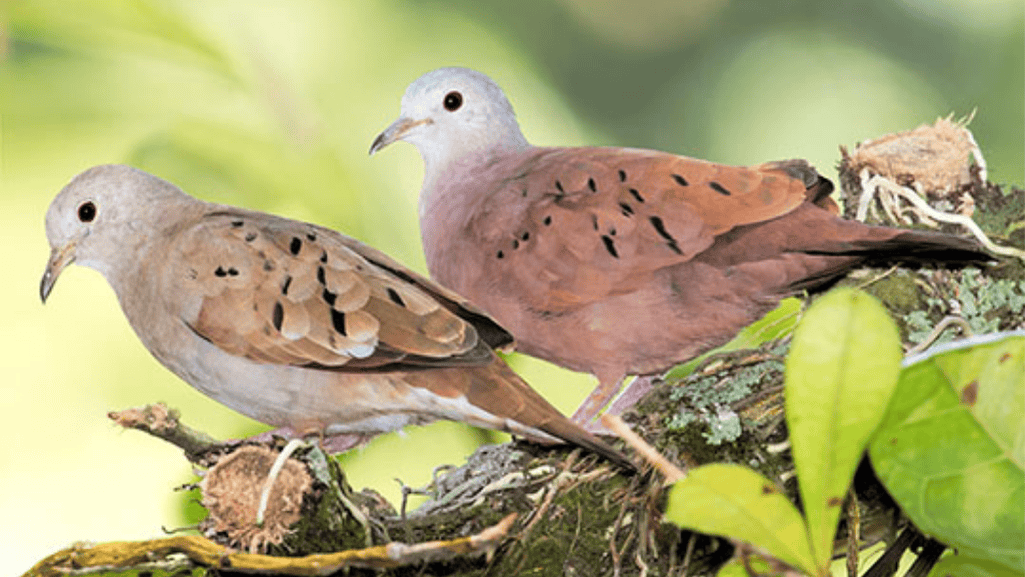

The Ruddy Ground Dove is a small, widespread bird easily seen around David, Panama, and in towns and countryside across the region. This adaptable ground dove thrives in both urban parks and open, human‑modified areas, making it a frequent sight for birdwatchers exploring Panama’s rich avifauna.
Visit local hotspots such as the Panama Rainforest Discovery Center or Mount Totumas Cloud Forest Reserve to increase your chances of spotting this ruddy ground‑dove; beginner and experienced birders alike appreciate its subtle plumage and ground‑foraging behavior. Ready to see one in the field? Pack binoculars and check local birding guides before you go.
Key Takeaways
Discover the adaptability of the Ruddy Ground Dove in Panama’s diverse ecosystems.
Explore birdwatching in renowned spots such as the Panama Rainforest Discovery Center and Mount Totumas Cloud Forest Reserve.
Learn about the Ruddy Ground Dove characteristics that allow it to flourish in urban parks and open spaces.
Gain deeper insights into Panama’s rich biodiversity, featuring an impressive lineup of various bird species.
Embrace the serene beauty and complexity of nature as exemplified by the Ruddy Ground Dove.
Introduction: A Glimpse into the Ruddy Ground Dove’s World
 For bird lovers, the ruddy ground‑dove is an easy species to encounter and a rewarding subject for observation. You’ll commonly see this small ground dove in and around David (western Panama), in open savannas, and at low‑elevation forest edges—especially near eco‑lodges and green stays where birds feel undisturbed.
Early morning and late afternoon are prime times for spotting them as they forage on the ground for seeds and small berries. Staying at a well‑placed eco‑hostel can give you repeated sightings and a chance to learn about the species’ role in seed dispersal—an important ecological function.
Species Observed Observation Location Frequency
Rufous‑vented Chachalaca llanos area Common
Ruddy Ground Dove savanna Quite common
Nacunda Nighthawk Matapalma Very cool to spot
Staying at an eco‑hostel supports green tourism and increases your chances of seeing ruddy ground‑doves and other species. Before you go, check a local birding checklist (or eBird) for recent sightings and suggested trails.
Understanding the Ruddy Ground Dove
The ruddy ground‑dove is a small, hardy species that makes an excellent subject for birdwatchers and researchers alike. Its compact build and subtle plumage help it blend into ground cover, while its flexible behavior allows it to thrive in a range of open and human‑modified habitats.
Defining Characteristics of the Ruddy Ground Dove
This ground dove is petite: typically about 15–18 cm (5.9–7.1 in) in length with a wingspan near 28 cm (≈11 in). Adult birds are warm brown above with slightly pinkish or grayish underparts; males and females show only modest differences in tone rather than strong sexual dimorphism. Juveniles are duller and may appear more streaked on the head and breast.
Reported mass values vary by source—check authoritative field guides (e.g., BirdLife International, Cornell Lab) when finalizing numbers—but the species is among the lighter doves. Hatchlings develop quickly; fledging can occur at roughly 11 days in some accounts, though incubation and growth timings should be cross‑checked regionally.
Behavior and Lifestyle
Ruddy ground‑doves are primarily ground foragers that feed on grass seeds, small grains, and berries. They often feed singly, in pairs, or in loose flocks, and can be seen in citrus groves, grassy savannas, roadside clearings, and suburban parks. Typical behaviors include frequent ground pecking for seeds and rapid, low flight to nearby perches when disturbed.
Breeding usually involves small clutches—commonly two eggs—and rapid renesting, which can support multiple broods in favorable conditions. For species‑level classification details and behavioral summaries, consult sources such as the Animal Diversity Web and regional field guides.
Characteristic Description
Size 15–18 cm (5.9–7.1 in); wingspan ≈28 cm (11 in)
Weight See authoritative sources for regional averages (values vary by reference)
Hatchling development Fledging reported around 11 days in some studies
Diet Grass seeds, small grains, berries
Habitat Open ground, savannas, agricultural edges, urban parks
Behavior Usually 2 eggs per clutch; quick renesting and adaptable foraging
Exploring the Habitat of the Ruddy Ground Dove
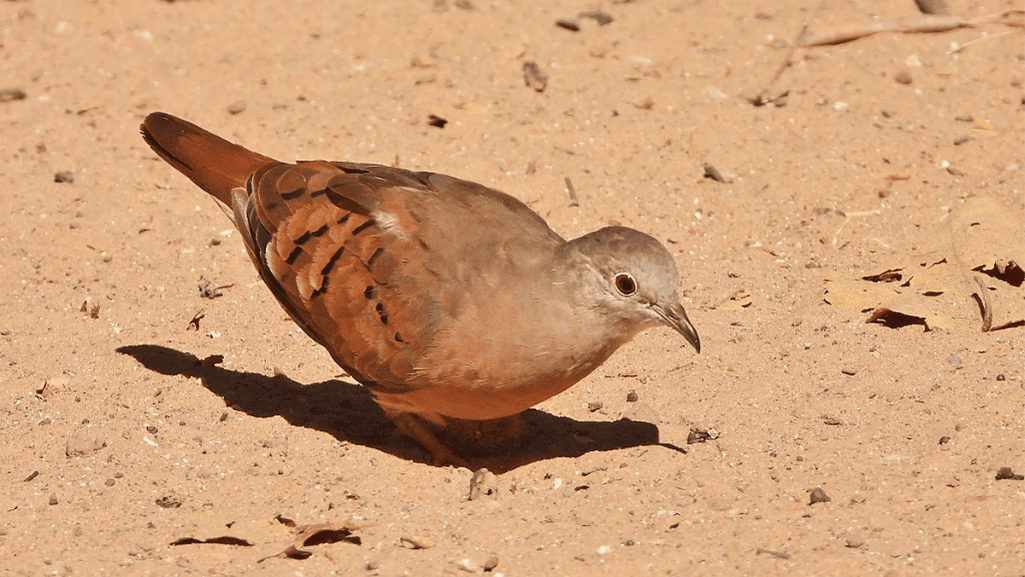 Ruddy ground‑doves occur across the Neotropics and are a highly adaptable species that thrive in a variety of open and edge habitats. While commonly recorded in Panama, their range extends north into Mexico and south through much of South America, including records from northern Argentina in some parts of their distribution.
Native Regions and Preferred Environments
This ground dove is frequently found in human‑modified areas as well as natural ones: open savannas, agricultural edges, clearings, citrus groves, roadside verges, and urban parks. They occupy elevations from near sea level to montane foothills (reports vary by region—verify local field guides for precise elevational limits).
Adaptations to the Ruddy Ground Dove Habitat
Key adaptations allow this ruddy ground‑dove to persist in varied areas:
- Dietary flexibility — primarily seeds and small fruits, with occasional arthropods — lets them exploit farmland and gardens.
- Ground foraging and quick, low flight reduce predation risk in open landscapes.
- Frequent renesting and multiple broods in favorable conditions support stable local populations.
Understanding these traits helps conservationists manage both natural and urban habitats for birds. For detailed regional accounts, consult authoritative references such as BirdLife International and regional field guides.
The Ruddy Ground Dove Diet and Foraging Techniques
Ruddy Ground Dove Foraging
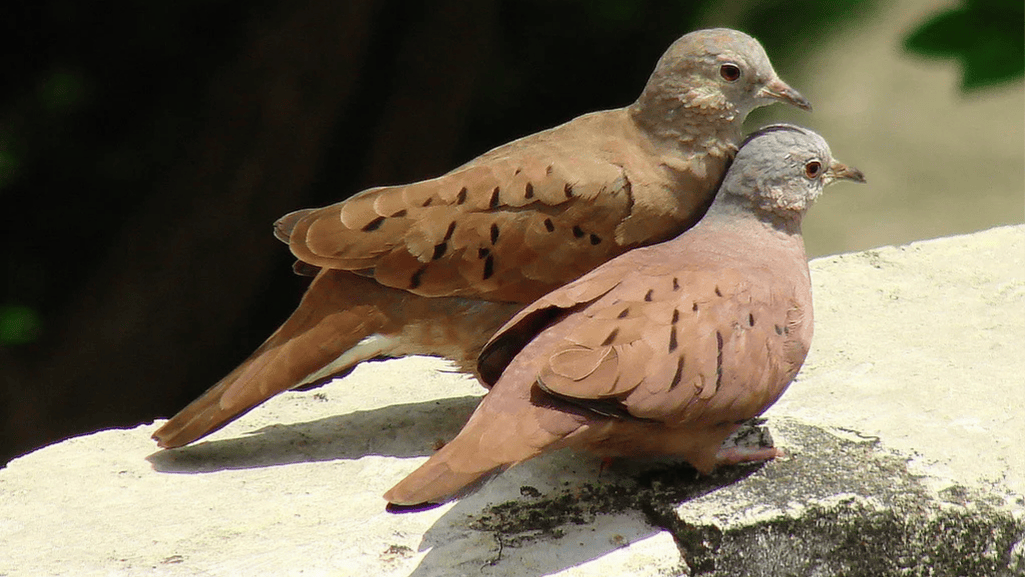 The ruddy ground‑dove is primarily a granivore: it forages mainly on the ground for grass seeds, small grains, and occasional berries, which makes seeds the bulk of its diet. Small invertebrates (insects and other arthropods) may be taken opportunistically, but seeds remain the key energy source for this species.
These ground doves often feed in loose groups—sometimes a few individuals, sometimes flocks larger than a dozen—particularly where food is abundant. Large aggregations (tens to occasionally hundreds) have been reported in open agricultural or savanna areas, though typical flock size varies by site and season. Flocking reduces predation risk and helps birds locate patchy seed resources across wide areas.
Seed size and handling: Ruddy ground‑doves pick small seeds from the surface (reported seed sizes cover a range that fits common grass and weed seeds). They swallow seeds whole and store food temporarily in the crop, which aids digestion and allows them to move to safe roosts before processing food further.
Water and daily routine: Because a seed‑based diet is dry, these doves visit water sources regularly and drink by dipping their bill at ponds, puddles, or watering troughs. Peak foraging activity tends to be in the early morning and late afternoon when seeds are exposed and temperatures are milder.
Urban and backyard behavior: Ruddy ground‑doves are adaptable and will exploit food in towns and backyard feeders (seed mixes and spilled grain). While feeders can provide observation opportunities, they can also increase disease transmission or predator attraction if poorly maintained—keep feeders clean and avoid overly concentrated feeding sites.
In summary, studying the ruddy ground‑dove’s ground‑foraging, flocking behavior, and seed preferences helps birders predict where to find them and helps conservationists manage habitats that support granivorous species.
Ruddy Ground Dove Facts: From Mating to Migration
 Understanding reproduction and seasonal movement helps explain how this adaptable species maintains healthy local populations across varied landscapes.
Courtship and Reproduction
Ruddy ground‑doves form simple pair bonds and perform modest courtship displays—usually brief chases or short fluttering flights and soft cooing—rather than elaborate aerial shows. Nests are small and fragile, often placed in low shrubs, bushes, or forks of small trees. Clutch size is typically two eggs, and rapid renesting means pairs can produce multiple broods when conditions are favorable.
Breeding timeline (typical)
- Clutch size: usually 2 eggs
- Incubation: about 12–13 days (both parents share duties)
- Fledging: young leave the nest at roughly 12–14 days in many reports
Note: Exact timings can vary regionally; consult local field guides or primary studies for area‑specific data.
Migratory Patterns and Seasonal Movement
The species is largely sedentary across most of its range, with individuals remaining near breeding areas year‑round. Localized post‑breeding dispersal or short movements to find food are common, but long‑distance migration is not typical for this ground dove. Such localized movements help birds exploit seasonal seed resources without undertaking major migrations.
Size and Biometric Notes
Typical length is about 15–17 cm (approximately 6–6.7 in) with a wingspan near 28 cm (≈11 in). Published weight values vary by source and region—use authoritative references (e.g., BirdLife International, regional field guides) to select the most appropriate figures for your context.
Sex differences are subtle: males and females show only modest color and tone variations rather than striking sexual dimorphism. When citing measurements and life‑history data, reconcile differing values by naming the source used.
Human Interaction and Its Impact on Ruddy Ground Dove Populations
Impact of Urbanization on Ruddy Ground Dove
The relationship between people and the ruddy ground‑dove is complex. This adaptable ground dove often thrives in towns and agricultural areas, but urbanization changes how it finds food, nests, and moves across the landscape. Some changes can benefit local populations (more seed resources), while others reduce natural nesting sites or increase stress from disturbance and predators.
How urban factors affect the species
Factor Impact on Ruddy Ground Dove Impact on Urban Bird Populations
Food Availability Increased use of human‑provided seeds and spilled grain Greater species diversity at feeding sites (but potential disease risk)
Habitat Structure Loss of natural low shrubs and grassy nesting areas Shift to non‑traditional nesting locations (e.g., gardens, built structures)
Human Disturbance Higher disturbance may lower reproductive success in some sites Varied responses: some species adapt, others decline
This summary highlights both benefits and trade‑offs when ruddy ground‑doves occupy urban areas. Local monitoring helps determine whether urban environments are net positive or negative for populations in particular areas.
Conservation status and actions
Current authoritative sources (e.g., IUCN/BirdLife) list the ruddy ground‑dove as widespread with a large global population; however, exact population estimates vary and should be cited from the chosen reference when publishing. Overall the species is not regarded as globally threatened, but local trends can differ.
Conservation measures that benefit this species include protecting open foraging areas and low vegetation used for nests, maintaining clean water sources, and promoting diverse urban green spaces that provide natural seed resources.
Local and global initiatives
Successful conservation often combines protected areas, habitat restoration, and community engagement. While the Blue‑eyed Ground Dove example (Brazil) illustrates how targeted reserves and captive‑breeding can aid highly threatened ground doves, measures for the ruddy ground‑dove are typically focused on habitat management and urban green planning that support broadly distributed granivores.
How you can help
- Report sightings to citizen‑science platforms (e.g., eBird) to improve distribution and trend data.
- Keep backyard feeders clean and avoid overconcentrating feed that can spread disease.
- Support local green‑space initiatives that maintain open, grassy areas and native shrubs.
Sharing monitoring results and encouraging community participation are key to understanding how urbanization affects ruddy ground‑doves and other birds in your area.
Bird Watchers’ Paradise: Spotting the Ruddy Ground Dove
For birders, the ruddy ground‑dove is both approachable and rewarding to watch. A good pair of binoculars or a spotting scope will reveal subtle field marks—the warm brown body, slightly pinkish underparts, and short tail—without disturbing the bird. Use quiet, low‑impact observation techniques to increase your chances of repeated sightings.
Equipment checklist
- Binoculars: 8x–10x, high quality for clear detail at short to medium ranges.
- Spotting scope: useful for extended viewing from trails or hides.
- Camera: telephoto lens (300–600mm) for flight and close‑range ground shots; fast shutter speeds (1/1000s or faster) help freeze sudden takeoffs.
- Field guide or app (and eBird account) to log sightings and compare sexes—males and females differ subtly in tone.
Best practices and timing
Observe ethically: keep a respectful distance, avoid flushing birds, and minimize habitat disturbance. Peak viewing is often early morning and late afternoon when these ground doves actively forage for seeds in open patches and edges of parks, savannas, and agricultural areas.
Recommended sites (Panama examples)
Location Species Spotted Unique Features
Pipeline trail in Gamboa Many species Accessible rainforest edge
Panama Rainforest Discovery Center High morning counts Good structured trails and observation towers
Soberania National Park Very high diversity Top birding area with varied habitats
Check local reports before visiting—recent eBird checklists will show current presence and best trails for ground‑foraging species.
Photography tips
- Settings: start with shutter speed 1/1000s, ISO adjusted for light, and continuous autofocus to track quick low flights.
- Positioning: hide near likely foraging patches (open grassy edges, feeders) and shoot from low angles to capture plumage and head patterns.
- Identification: note wing shape, head markings, and behavior to separate ruddy ground‑doves from similar doves.
Share and contribute
After your outing, upload clear photos and location details to eBird or other citizen‑science platforms—include date, time, and habitat notes. Shared images and observations help scientists track distribution, seasonal presence, and urban usage of ruddy ground‑doves and other doves.
FAQ
What are the defining characteristics of the Ruddy Ground Dove?
The ruddy ground‑dove is a small dove with warm reddish‑brown upperparts, paler (often pinkish or grayish) underparts, and a short tail. The neck and upper breast can show faint scaled patterning; sexes are similar, with males sometimes slightly warmer in tone than females.
What typical behaviors can be observed in the Ruddy Ground Dove?
They forage on the ground for seeds and small fruits, often alone, in pairs, or in loose groups. Expect quick, low flights to nearby perches when disturbed and frequent ground‑pecking behavior while feeding.
Where is the native habitat of the Ruddy Ground Dove?
Native to the Neotropics, this ground dove occurs from Mexico through much of Central and South America. It occupies open and edge habitats such as savannas, agricultural areas, roadside clearings, and urban parks.
How has the Ruddy Ground Dove adapted to its habitat?
Its adaptability stems from dietary flexibility (primarily seeds), tolerance for human‑modified areas, and the ability to nest in low shrubs or nontraditional sites—traits that let it persist across varied areas.
What does the Ruddy Ground Dove typically eat?
Seeds make up the bulk of the diet, supplemented by small grains, berries, and occasional invertebrates.
What is known about the Ruddy Ground Dove’s mating rituals and reproduction?
Pairs perform modest courtship displays (short chases and fluttering). Clutch size is typically two eggs; incubation and fledging times vary regionally but are generally short, allowing for multiple broods in favorable conditions.
Are Ruddy Ground Doves migratory?
They are generally sedentary, with local post‑breeding dispersal or short movements to find food; long‑distance migration is not typical.
How do human activities affect Ruddy Ground Dove populations?
Urbanization can both help and harm: increased food from human sources can support local numbers, while loss of natural nesting areas, disturbance, and disease risks can negatively affect populations in some areas.
What conservation measures are in place for the Ruddy Ground Dove?
The species is currently widespread; conservation focuses on habitat protection, urban green‑space planning, and monitoring population trends. Local measures depend on regional threats and needs.
What equipment is recommended for observing Ruddy Ground Doves?
Use 8x–10x binoculars and, if available, a spotting scope. For photography, a telephoto lens (300–600mm) and fast shutter speeds help capture flight and ground behavior.
What are some photography techniques for capturing images of the Ruddy Ground Dove?
Be patient and position yourself near likely foraging patches; use a fast shutter (≥1/1000s), continuous autofocus, and a low vantage point to capture natural postures and head/wing details.
How can birdwatchers contribute to Ruddy Ground Dove research?
Report sightings and upload photos to eBird or local atlases (include date, location, and habitat notes). Citizen‑science records improve distribution and trend data for this and other doves.