
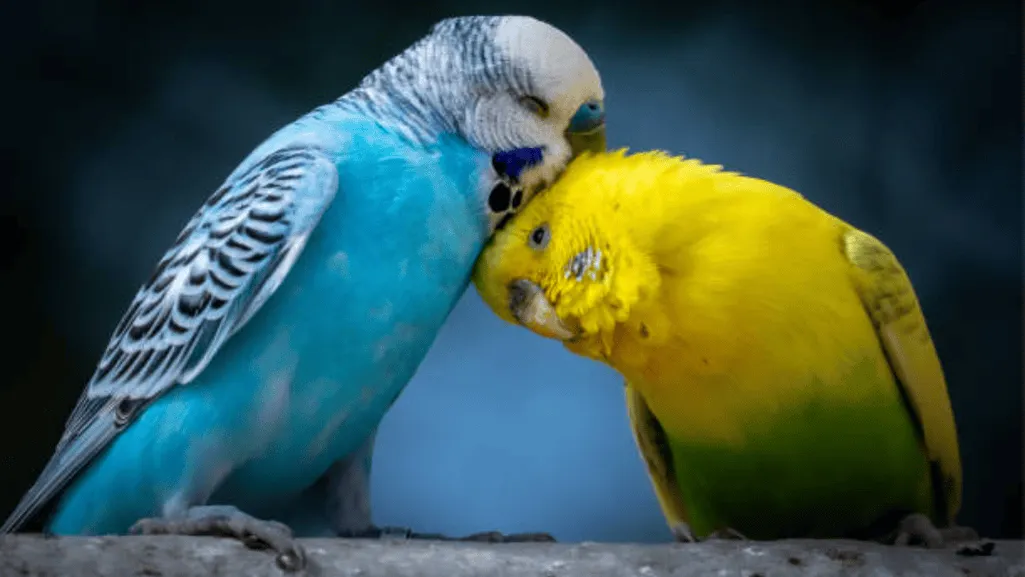

Agapornis means “love bird” in Greek, and these small parrots live up to that name with bold, social personalities. At just over 5 to 6.5 inches, these Lovebird Behavior form strong pair bonds and often thrive when their routine mirrors natural flock life.
Owners should expect active, curious pets that vocalize most at dawn and dusk. A single companion needs daily interaction, while pairs may focus on each other more than people. With proper care, many live 12–15+ years thanks to good diet, space to move, and mental enrichment.
Understanding species background, posture, and voice helps people prevent stress and set consistent boundaries. This guide will map species differences, decode daily communication, and offer practical steps for housing, diet, training, and preventive health.
Key Takeaways
- These parrots are social and bond-oriented; routine supports their instincts.
- Small size does not reduce their need for thoughtful care and enrichment.
- Pairs may prefer each other; single companions need daily human interaction.
- Typical lifespan is 12–15+ years with balanced diet and stimulation.
- Dawn and dusk vocalizing is normal flock behavior, not a problem.
- Reading posture and calls helps anticipate needs and reduce stress.
Understanding Lovebirds: Species, Personality, and Natural Behaviors
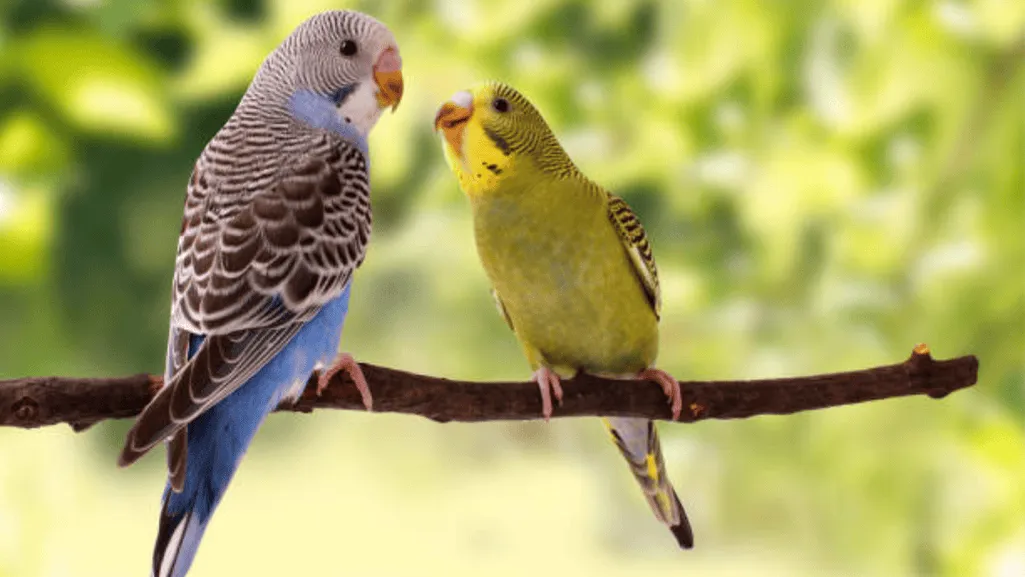 The genus Agapornis includes nine distinct species, each shaped by its native range and ecology. Most are African; the Madagascar species is an exception. These birds share a stocky build, a short blunt tail, a hooked bill, and zygodactyl feet for climbing and foraging.
Nine species and common companions
Popular in U.S. homes are the peach-faced lovebird, masked (yellow-collared), and the fischer lovebird. Less common types include black-cheeked, Nyasa (Lilian’s), red-faced, Abyssinian, Madagascar, and Swindern’s.
Personality and wild roots
These small parrots are inquisitive, social, and quick. In the wild they live in small flocks and forage for fruits, seeds, and greens. That flocking life drives vocal contact calls, vigilance, and high activity.
- Color mutations from selective breeding change appearance, not core temperament.
- Conservation varies: black-cheeked is Vulnerable; Fischer’s and Nyasa are Near‑Threatened.
- Captivity must mimic foraging, space, and social time to reduce stress and support healthy pairs.
lovebird behavior in Daily Life: Communication, Bonding, and Body Language
Morning and evening vocal bursts are the flock’s way of checking in and staying connected.
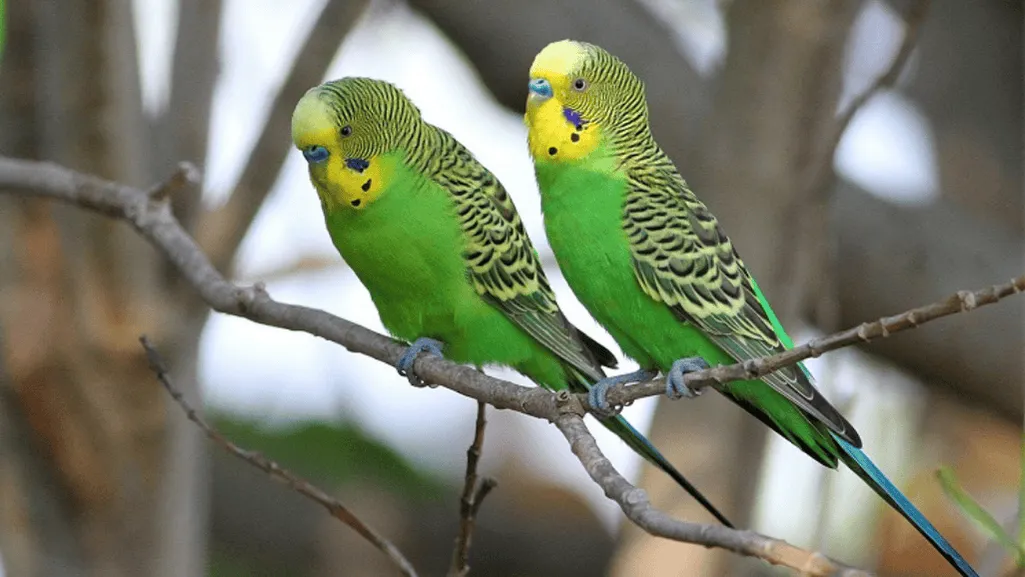
Vocalizations and sounds: chatters and whistles at dawn and dusk
Small parrots sing and whistle throughout the day, with peaks at dawn and dusk. This pattern is a normal flock check-in, not a problem to fix.
Consistent routines help reduce calling for attention. Soft chirps, contact calls, and brief melodies are the primary tools for contact rather than spoken words.
Courtship, pair bonds, and paper shredding tucked under wings
Pair-bonded birds show clear signs of attachment: mutual preening, feeding from the crop, and close perching. A secure mate pair will often rest side-by-side and groom fine feathers.
Courtship displays include wing spreading, tail lift, circling, and quiet repetitive sounds. Females may guard nests or enclosed areas more strongly; limiting access to nest-like spots can reduce tension.
- Paper shredding: some species shred long strips and tuck them under wings to build nests; offer safe paper options to channel this urge.
- Respect signals: pause when feathers fluff or eyes pin; many enjoy gentle head scratches only when invited.
- Manage attention-seeking chirps by rewarding calm behaviors and scheduling short, frequent social sessions at receptive times.
For deeper care tips and practical housing ideas, see understanding lovebirds. Small, predictable steps help people prevent stress and support long-term social health for fischer lovebirds and other companions.
Care That Supports Good Behavior: Housing, Diet, Enrichment, and Hygiene
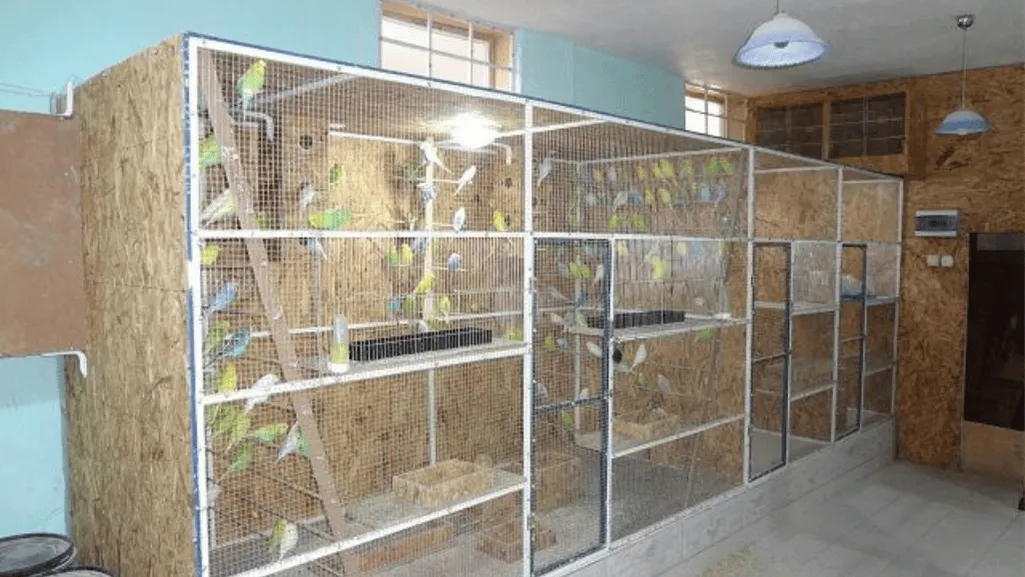
Good care starts with a roomy, well-placed enclosure that lets your pair move, perch, and explore safely.
Cage setup and environment
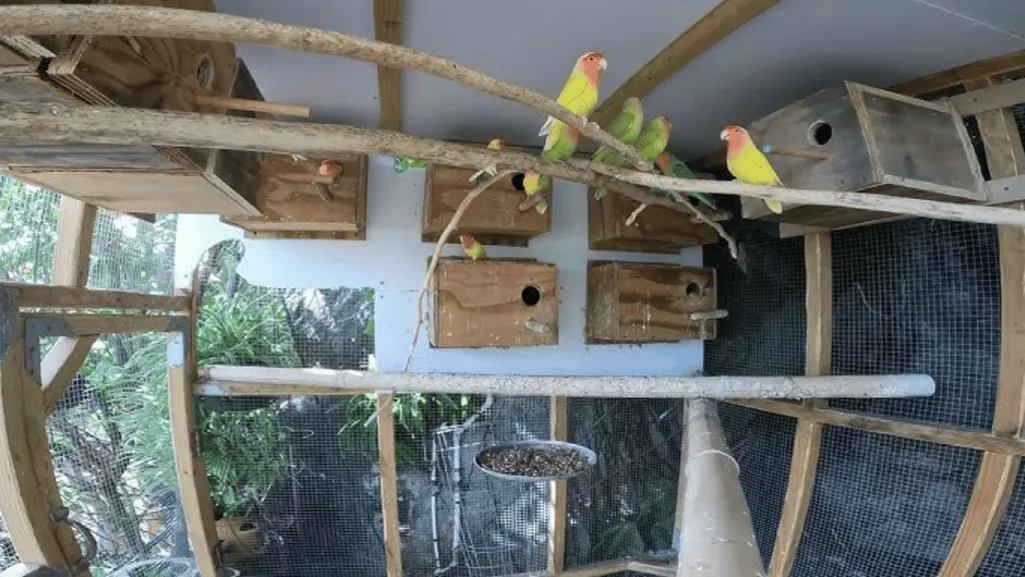
Choose the largest cage possible — a minimum 32″ x 20″ x 20″ per pair. Provide about four perches of different diameters and a shallow bathing area.
Place the cage at eye level near a wall for security. Keep it ventilated, out of drafts, and cover at night to reduce calling.
Balanced diet and fresh water
Diet should center on formulated pellets with daily vegetables and occasional fruit. Offer seeds sparingly as treats, not the base of the food plan.
Use earthenware or porcelain dishes and change water multiple times a day. A cuttlebone supplies calcium and supports beak health.
Enrichment, hygiene, and natural wear
Provide chew-proof toys and simple foraging setups. Supply dye-free paper for safe shredding to protect furniture and books.
- Rotate toys weekly and inspect for damage.
- Encourage bathing with a shallow dish or light mist to maintain feathers and wing condition.
- Clean bowls daily, change cage liners every day, and disinfect weekly.
Socialization, Training, and Health: Preventing Problems Before They Start
Start training a young, single bird with calm, consistent sessions to build trust and handling skills.
Choose a hand-raised juvenile when possible; these pets often accept people more quickly. Begin with quiet presence, slow movements, and short interactions beside the cage.
Step-up training works best on a dowel first, then a finger. Use tiny bits of seeds or favorite treats and reward calm responses.
Taming and basic skills
Teach target, recall, and simple retrieves in two- to five-minute drills. Keep sessions frequent but brief to avoid fatigue.
- Reward quiet behavior to reduce attention-seeking calls.
- Practice crate entry and gentle towel handling so transport is low-stress for vet visits.
- Rotate chew toys and foraging puzzles to reduce boredom between trainings.
Aggression, nesting, and health checks
Guarding around a mate or nest area is instinctive. Limit access to enclosed spots and supervise interactions to prevent fights.
Watch daily for illness: dull or fluffed feathers, closed or watery eyes, nasal discharge, diarrhea, tail bobbing, or low energy.
Call an avian veterinarian if you see sudden changes, breathing trouble, or wounds from fighting. Early care prevents long-term problems and keeps training on track.
Conclusion
Knowing species traits helps you shape diet, enrichment, and training that suit each bird’s natural life.
Bring together the wild context and simple husbandry: nine species—like the peach-faced lovebird and fischer lovebird—share a stocky build and short tail but differ in color and habits. Celebrate variety and color mutations while keeping core care steady: quality pellets, fresh vegetables, and clean water.
Use safe paper for shredding, rotate toys, and train with short step-up and target drills. Watch wings, posture, and daily cues to spot stress early. For deeper reading on species history and husbandry, see history and care, and check feather health studies for hygiene context.
Thoughtful, consistent care turns a small parrot into a lasting companion.
FAQ
What species belong to the Agapornis genus and which are most common as pets?
How do these small parrots communicate and bond with people or mates?
What should a proper cage setup include to support good health and activity?
What diet keeps these birds healthy and supports feather quality?
How often should they bathe, and how does grooming affect behavior?
What kinds of toys and foraging activities are best to prevent boredom?
How do you handle aggression, especially around mates or nest sites?
Can these birds be litter-trained or crate-trained for travel?
When should I seek veterinary care for my pet parrot?
How long do they typically live in captivity, and what affects lifespan?
Are there special considerations for breeding or nesting in home environments?
What are common color mutations and do they affect temperament?






 English