Skip to content
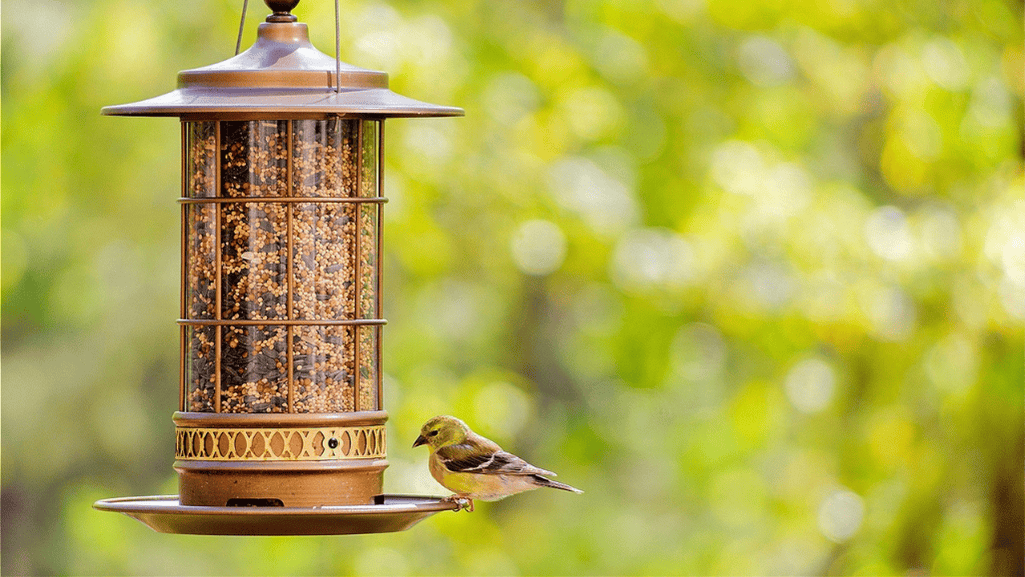

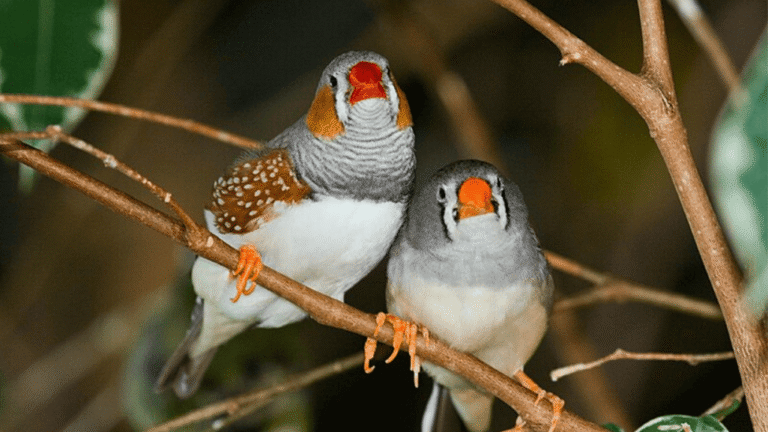
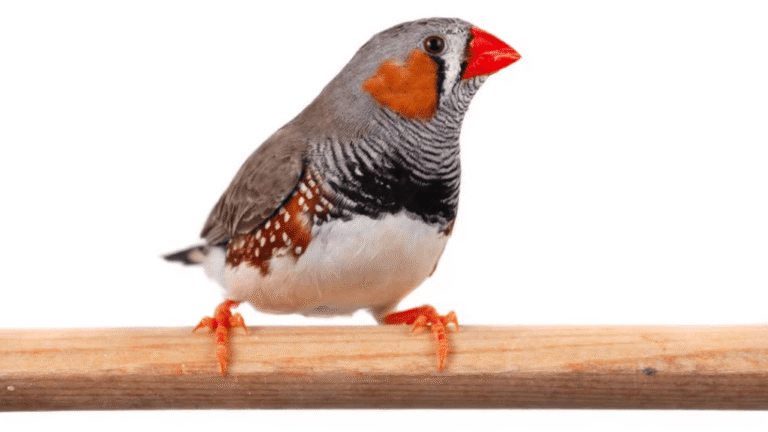
The best bird food for finches strikes the right balance of nutrition and palatability so these small, colorful birds keep coming back. After reviewing product specs, user feedback, and expert guidance, we selected three top options: a versatile black oil sunflower, a finch‑favorite Nyjer (thistle) seed, and a budget-friendly mixed blend. Each choice is proven to attract wild birds to feeders while providing the energy and nutrients finches need.
Key Takeaways:
- Choosing the right bird food is crucial for attracting finches to your backyard — seeds high in oil and fat give small songbirds the energy they need.
- Kaytee Wild Bird Food Black Oil Sunflower is our best overall pick: high fat, thin shells, and a seed that appeals to many species beyond finches.
- For finches specifically, Kaytee Nyjer (thistle) seed is ideal — tiny, oily, and nutrient-dense — but use a fine-mesh feeder to prevent waste.
- Audubon Park Critter Crunch is the best value blend: a mix of sunflower, peanuts, and corn that attracts a variety of wild birds at a lower price per pound.
- Try one option for 2–3 weeks and note what species visit — rotating seeds and feeders helps attract a greater variety of birds and keeps your backyard lively.
 Best Overall Bird Seed for Finches
Video: Finch feeders & seed choices
We recommend Kaytee Wild Bird Food Black Oil Sunflower as the best overall bird seed for finches because it combines high energy with easy access to the kernel. Black oil sunflower is naturally higher in fat and oil than many other seeds, so small songbirds get the energy they need for daily activity and migration. The thinner shells make the kernels easier for finches and other small species to crack, increasing feeding efficiency.
Practical tip: offer black oil sunflower in tube or tray feeders with perches to reduce ground waste and make the seed easier for birds to access. If you want to check nutritional details, manufacturer product pages and USDA seed nutrition tables list oil and fat content for sunflower varieties.
Black oil sunflower attracts many bird species — not just finches. Expect visits from chickadees, titmice, nuthatches and cardinals, making it a versatile bird food choice for backyard feeding. Because the mix contains minimal filler seeds, more of the bag is actual nutritive seed rather than waste.
Key Features of the Kaytee Wild Bird Food Black Oil Sunflower seeds:
- High in fat and oil — excellent energy source for active birds
- Thin shells for easier access to the kernel
- Attracts a wide range of backyard birds, increasing feeder traffic
- Minimal fillers — better value per pound of edible seed
Customer Reviews:
- “I love using the Kaytee Wild Bird Food Black Oil Sunflower seeds for my finch feeders. The birds are attracted to them immediately, and they always come back for more!” – Jane M.
- “These seeds are the best! They are high in quality and provide the nutrition that my finches need. Plus, my other bird visitors also enjoy them!” – Robert P.
- “I appreciate that the Kaytee seeds don’t have a lot of filler seeds. It ensures that my finches are getting nutritious food without any unnecessary extras.” – Sarah L.
Quick shopping tip: Check bag sizes and current prices — buying in bulk can lower price per pound, but store seed in a cool, dry place to keep oils fresh. See current prices and sizes on retailer product pages before you buy.
 Best for Finches
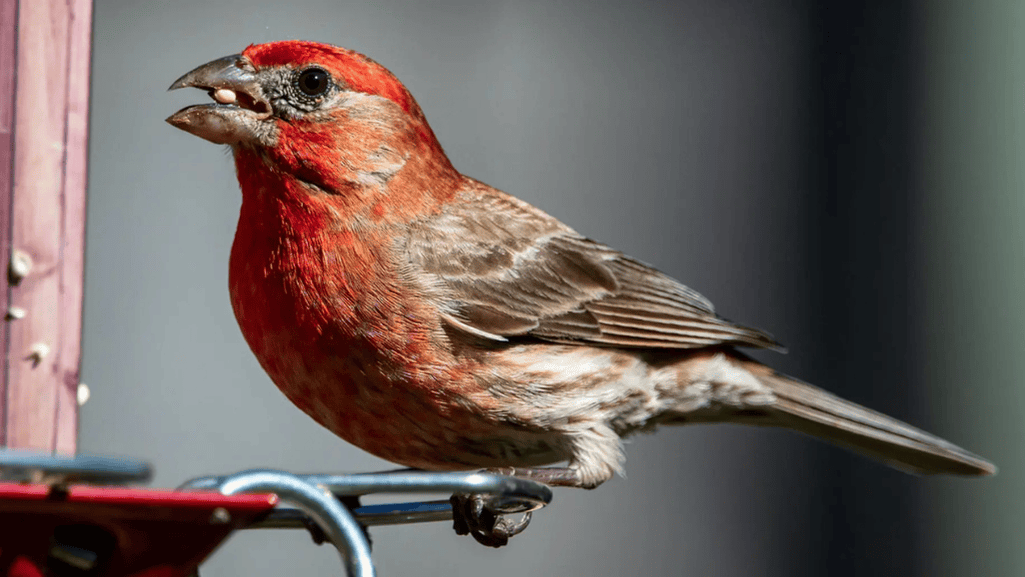
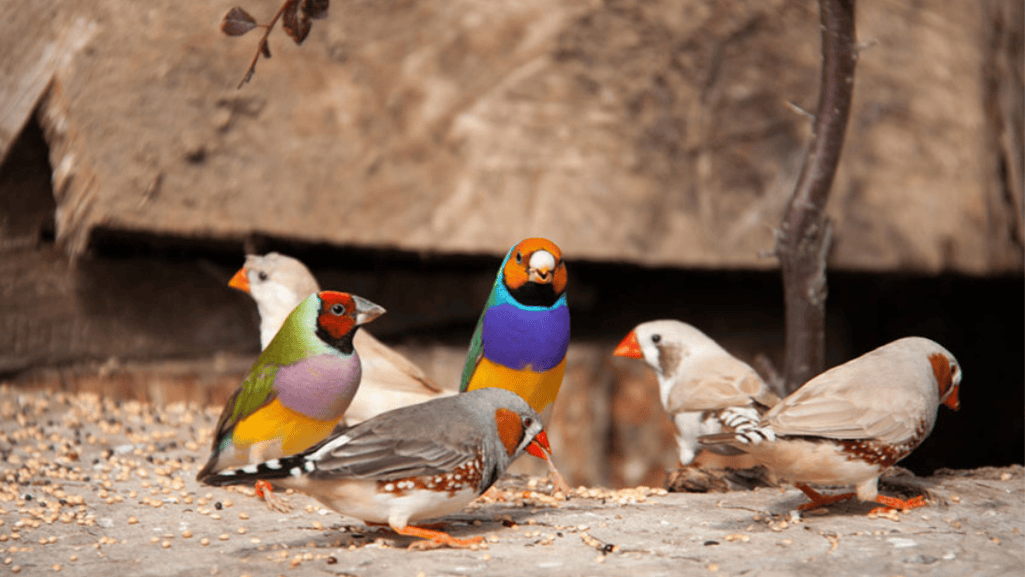
Why finches love NyjerThe Kaytee Nyjer Thistle Seed (often called Nyjer seed) is the go-to choice when you want to attract finches specifically. Nyjer seeds are tiny and high in oil, giving finches a concentrated source of energy and nutrients. Their small size and texture make them especially appealing to goldfinches, house finches, and other small finch species.
Feeder recommendations & maintenanceNyjer must be offered in fine-mesh or sock-style feeders (or tube feeders designed for Nyjer) so the small seeds are held while finches extract them. Because Nyjer is light and can spill, place a seed tray or small platform beneath the feeder to catch waste and check/refill feeders every few days during high activity.
Key Features:
- Small, thin seeds ideal for finch bills
- Rich in oil and nutrients — compact energy source
- Attracts goldfinches, house finches, pine siskins, and redpolls
- Best used in fine-mesh, sock, or specially designed tube feeders
Pro tip: use a Nyjer sock or a tube feeder with fine ports and hang it near shrubs or small trees — finches prefer sheltered perches. If spill is a concern, place a small ground tray to collect dropped seed and remove debris weekly to reduce waste and mold risk.
| ProsCons |
- Highly attractive to finches
- Rich in essential nutrients
- Less enticing to squirrels
- Popular among goldfinches, house finches, pine siskins, and redpolls
- May be more expensive
- Can be easily spilled
- Requires specific feeders
 Best Bang for Your Buck
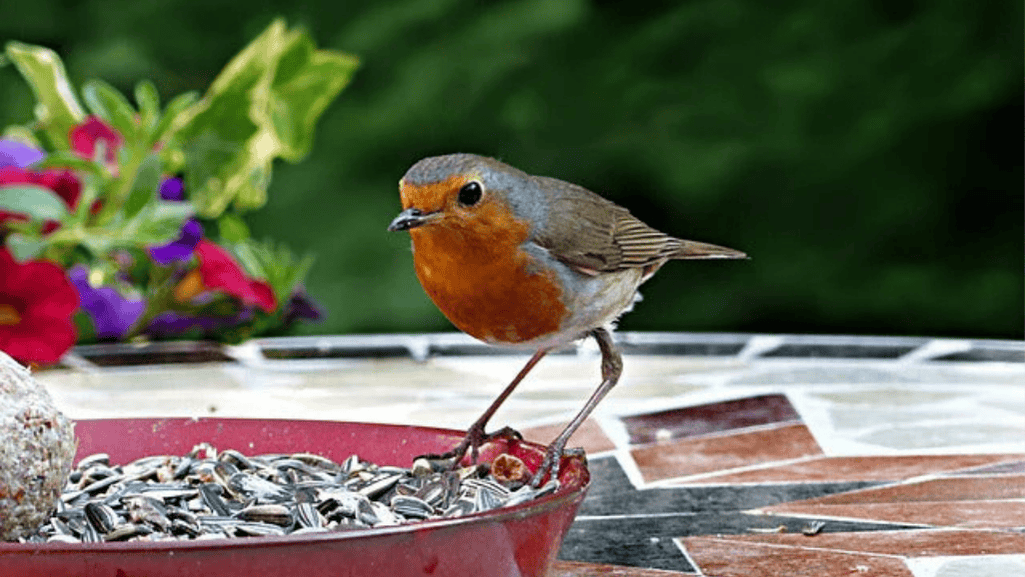
The Audubon Park Critter Crunch is our top pick when you want the most seed for your money. This mix—primarily sunflower, peanuts, and corn—offers a broad blend that attracts a wide variety of backyard birds while keeping costs down. For yards where you want to feed multiple species or run a community feeding station, this product is a practical, budget-friendly option.
Trade-off note: mixes that include corn have lower cost per pound but can contain filler ingredients that some species ignore. To get the most from this blend, use a platform or tray feeder and position it away from dense shrub cover that might hide mammals. Clean the platform weekly and remove uneaten corn to prevent spoilage and waste.
| FeaturesAudubon Park Critter Crunch | |
| Ingredients | Mixture of sunflower seeds, peanuts, and corn |
| Price per Pound | Great value |
| Attracts | Finches, jays, woodpeckers, chickadees, and other bird species |
How to use this mixUse a sturdy platform or tray feeder for blends like Critter Crunch so larger seeds and peanuts are easy to access. If you want to reduce attracted mammals, place feeders higher on a pole and away from easy ground access, and only fill feeders enough for a day or two — that reduces waste and spoilage while still keeping your yard full of birds.
Conclusion
When it comes to attracting finches to your backyard, the right seed and the right feeder make all the difference. Our top overall pick is Kaytee Wild Bird Food Black Oil Sunflower — a high-energy, thin-shelled bird seed that draws finches and many other species while offering good value. If you want a finch‑focused approach, use Kaytee Nyjer (thistle) seed in a fine‑mesh or sock feeder for the best results.
Looking for a budget-friendly setup? Audubon Park Critter Crunch is a practical mix that gives you more seed per dollar and attracts a variety of backyard birds. Use it on a platform feeder, keep the fill amounts moderate (a day or two of seed) and mount feeders on a pole or at least 4–5 feet off the ground to reduce access by mammals.
Quick action plan: start with black oil sunflower in a tube or tray feeder for two weeks and note which species visit your yard. If finches are scarce, switch to Nyjer in a fine‑mesh sock for another two weeks. Rotate foods and feeders seasonally to offer a balanced food source and keep your yard attractive to a wider variety of birds.
If you want recommended feeders, search for top-rated fine-mesh Nyjer socks and durable tube or tray bird feeders; many shops list current prices and customer reviews so you can compare products and sizes before you buy. Small changes — the right feeder, a consistent refill schedule, and a water source — will help attract birds and create a lively backyard bird scene.
FAQ
What is the best bird food for finches?
Why are black oil sunflower seeds recommended as the best overall seed for finches?
What makes Nyjer (thistle) seed the best option specifically for finches?
What is the Audubon Park Critter Crunch and why is it a good choice for attracting finches?
How can I attract more finches to my backyard?