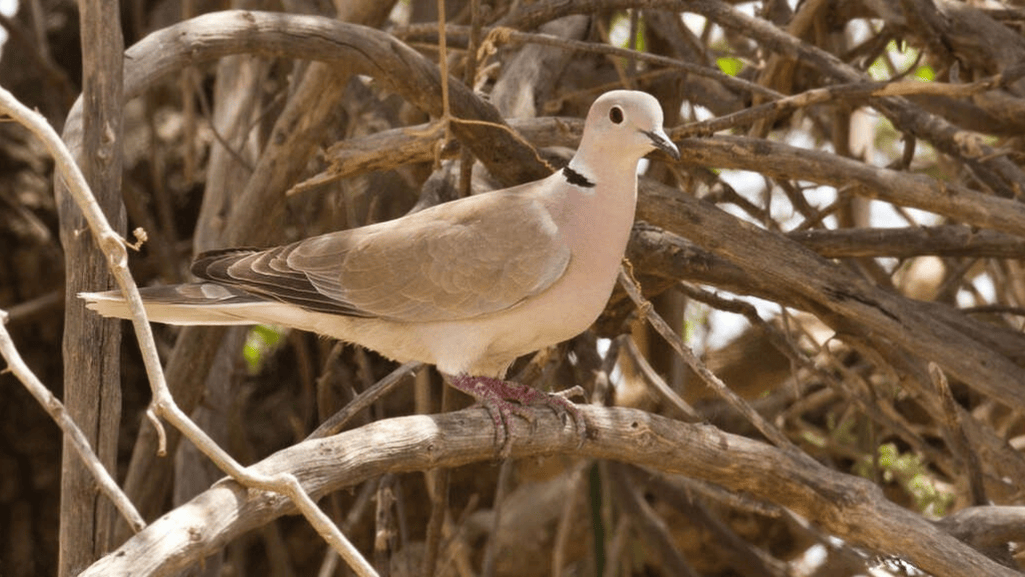

The African Collared Dove brings calm with its soft coos and gentle presence. It’s a popular dove among bird owners and wild-bird watchers alike. If you want practical, reliable African Collared Dove Care—covering identification, housing, feeding, and health—you’re in the right place. These adaptable birds have even been recorded in some North American urban areas, typically where escaped or released birds have established small populations.
As a survival strategy, these doves commonly freeze when a predator appears. This guide explains how to meet their basic habitat and care needs so they thrive in captivity or in managed outdoor aviaries. With appropriate diet, shelter, and veterinary attention, many Streptopelia doves commonly live more than ten years in well-managed care.
Key Takeaways
– Practical guidance on African Collared Dove care, including daily feeding, clean water, and basic health monitoring.
– Clear ID notes and physical markers to help you recognize this dove species in the wild or as a pet.
– A balanced feeding plan focused on seeds, pelleted dove food, and safe supplements, plus foods to avoid.
– Habitat and housing best practices: proper cage size, temperature range, safe perches, and enrichment to support natural behaviors.
– Context on the dove’s cultural significance and its role in habitat conservation efforts.
Who this guide is for: new dove owners, avian hobbyists, and anyone caring for rescued or captive doves. (See Resources for recommended vitamins and supplements.)
Understanding the African Collared Dove
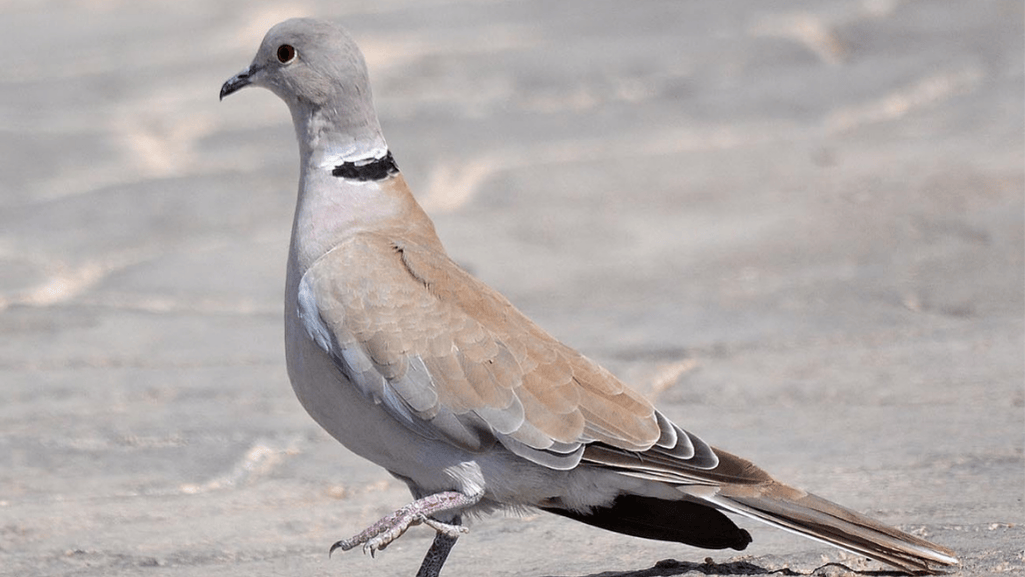 The African Collared Dove is a medium-sized columbid native to the Sahel and southern Sahara regions, with populations also on the Arabian Peninsula. These doves are granivorous, often seen foraging on the ground for seeds, and their calm temperament and soft cooing make them familiar to both birdwatchers and dove keepers.
Basic Description and Identification
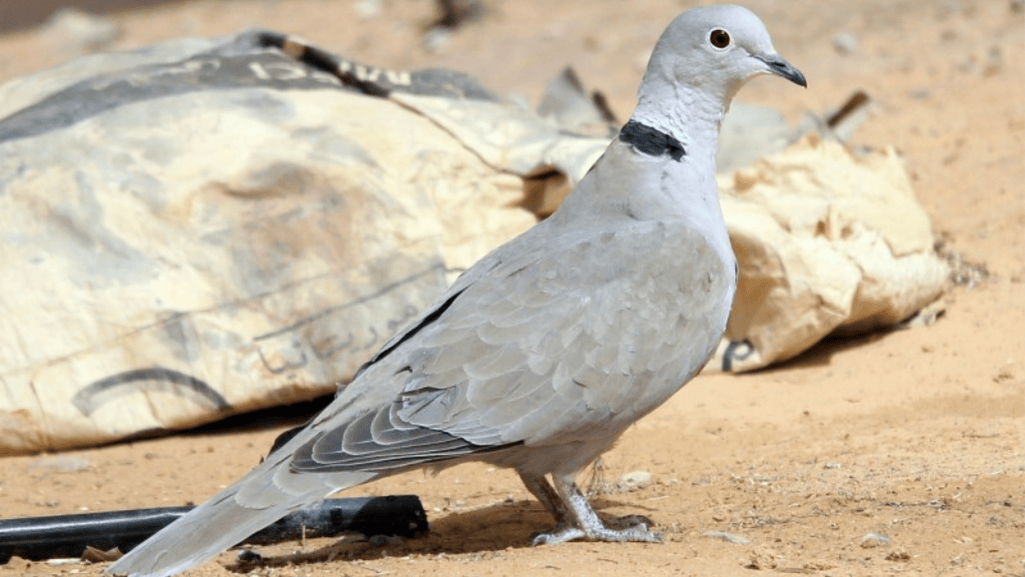
This species is sandy-brown overall with paler underparts and a distinctive black half‑collar on the nape. Typical measurements are about 26 cm in length and 150–160 grams in weight; the eyes are often dark‑red and the tail shows contrasting black-and-white patterning when spread. Identification checklist: sandy-brown plumage, black neck collar, dark eyes, black-and-white tail, stout beak and compact body.
Native Habitats and Spread to New Regions
African Collared Dove habitat includes dry and semi-dry landscapes such as acacia scrub, semi-desert, open farmland, and mangrove edges, and the species readily uses human-altered areas. Its native range spans much of sub-Saharan Africa and parts of southwestern Arabia; small introduced or escaped populations have been recorded in places like the Canary Islands and Puerto Rico. For precise range maps see IUCN / BirdLife species accounts.
Behavior and Social Characteristics
These doves are social and often gather in loose flocks at watering or roosting sites rather than defending strict territories. They show seasonal movements linked to rainfall and food availability. Vocalizations are a series of soft coos combined with shorter sharp notes and a low purr; flight is direct with steady wingbeats. Typical anti-predator behavior includes freezing or remaining motionless to avoid detection.
Understanding the species’ identification characters, habitat preferences, and social behavior helps owners and observers provide appropriate care and recognize when a bird may need veterinary attention. Examples of urban occurrences tend to involve escaped or released captive birds establishing small local populations; check regional checklists for documented sightings in your area.
Cultural Significance and Symbolism
African Collared Dove Symbolism
 Doves have held symbolic meaning across cultures for millennia, commonly representing peace, hope, and renewal. The African Collared Dove and related species are often invoked in art, ritual, and folklore as gentle messengers or symbols of new beginnings.
Religious and mythic associations
In ancient Mesopotamian art and myth, doves are traditionally linked with goddesses such as Inanna–Ishtar, reflecting themes of fertility and protection (interpretations vary by source). In Judeo-Christian tradition, the dove carrying an olive branch after the Flood became a lasting image of life restored and peace; later Christian art also uses the dove to symbolize the Holy Spirit. In Islamic tradition, stories and later accounts sometimes highlight doves as protective animals in key events of the Prophet’s life; these accounts are part of broader devotional narratives rather than scientific records.
Symbolism in art and modern movements
The dove as a peace emblem persists in modern times. Pablo Picasso’s lithograph “La Colombe” (The Dove) became an emblem for postwar peace gatherings such as the Paris Peace Congress and helped popularize the dove image in 20th‑century activist art. Today, doves appear in conservation campaigns and community memorial projects as symbols that connect wildlife to human values.
Quick cultural summary
– Mesopotamian: divine protection / linked with Inanna‑Ishtar (traditional association)
– Judaism & Christianity: peace and the Holy Spirit (Noah’s Ark, New Testament imagery)
– Islam: protection and peace (found in devotional narratives)
When using cultural or historical claims, consider phrasing them as traditional associations and add citations to primary sources or scholarly summaries where available. For readers who want to help protect doves and their habitat, consider supporting local habitat restoration projects or bird‑conservation nonprofits that use dove imagery in outreach.
Physiology and Unique Traits of African Collared Doves
African Collared Dove close-up
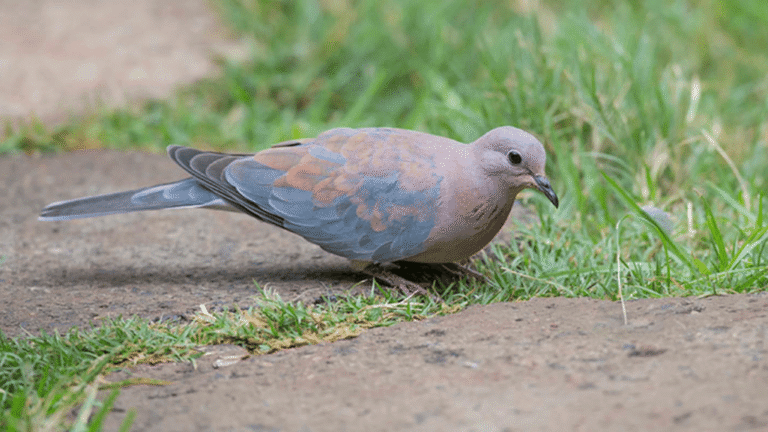
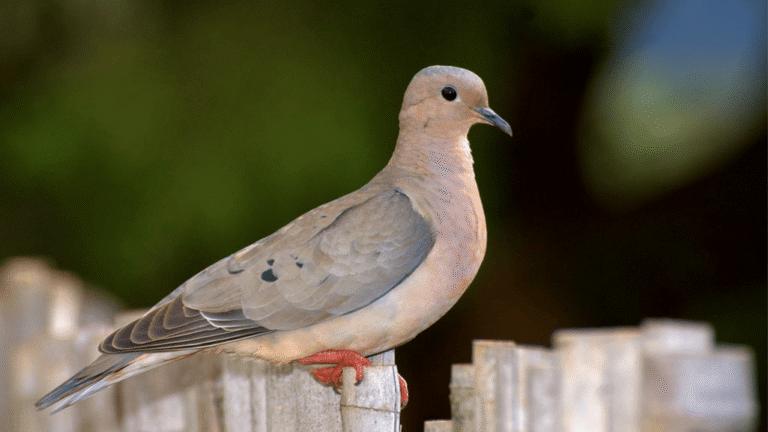
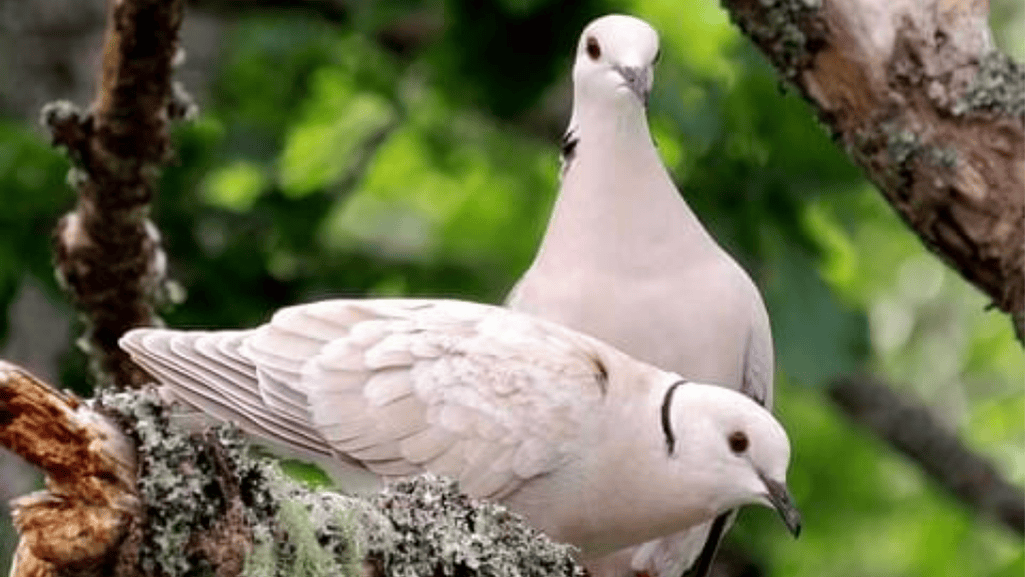 The African Collared Dove shows a compact, streamlined body adapted for steady flight and ground foraging. Its plumage is generally smooth and light brown with paler underparts and subtle white accents; the single most diagnostic feature is the narrow black half‑collar on the nape. These physical traits help the species blend into dry, open habitats while remaining recognizable to observers and caretakers.
Physical Features and Coloring
– Plumage: sandy to light‑brown upperparts with paler belly and faint white edges on some wing feathers.
– Collar: narrow black half‑collar on the nape (key ID mark).
– Eyes & beak: typically dark‑red or brownish eyes and a short, stout beak suited for seed eating.
– Tail: shows contrasting black-and-white patterning when spread in flight.
Distinguishing From Other Dove Species
Look for the combination of size, collar, and tail pattern to separate the African Collared Dove from similar Streptopelia species. Wing feather pattern and overall body proportions (compact body, relatively short neck) are useful field marks; compare the collar width and tail markings to confirm identification.
Adaptations for Survival
These doves have behavioral and physical adaptations for arid and semi‑arid environments. Their plumage provides camouflage; their stout beak and crop handle a seed‑based diet; and a common anti‑predator response is to freeze or remain motionless to avoid detection. In human-dominated landscapes they may appear more conspicuous on lawns and at feeders, demonstrating behavioral flexibility in new environments.
Feather care and health checks
– Molt: regular molt cycles replace worn wing feathers; note timing if you care for captive birds.
– Feather condition: look for smooth, glossy feathers with no bald patches; ragged or missing wing feathers, excessive dullness, or fluffed appearance can indicate stress or illness.
– Feet & body: check feet for lesions and the body for healthy weight — a tucked posture or drooping wings are warning signs.
Quick ID checklist (for keepers and observers): sandy‑brown plumage, black nape collar, dark eyes, black‑and‑white tail pattern, compact body and short stout beak. When photographing or documenting a bird, include a close-up of the collar and a spread or flight shot of the tail and wing feathers to aid identification and health assessment.
The African Collared Dove Diet
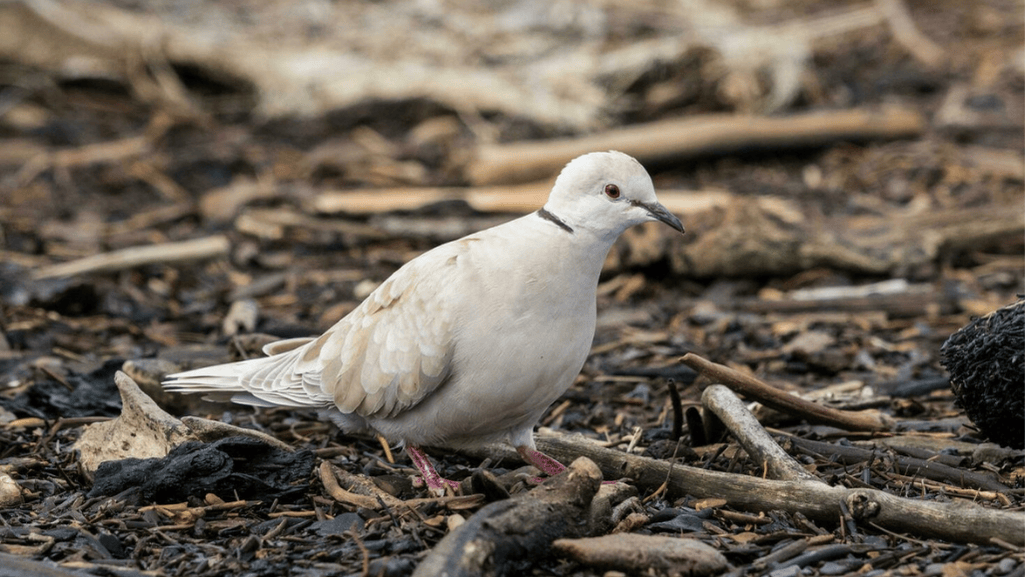 Feeding practices for African Collared Dove
Providing an appropriate diet is one of the most important parts of African Collared Dove care. In both wild and captive settings these doves are primarily granivorous — they eat seeds and grains — but need balanced nutrition, clean water, and occasional protein during breeding or molt.
Preferred Food Sources
African Collared Doves eat mostly seeds in the wild, foraging on the ground for grasses, millet, sorghum, and weed seeds. They may take small invertebrates (for example snails or insects) opportunistically for extra protein, especially when feeding young.
Feeding Practices in Captivity
Match captive feeding to the species’ natural diet: offer a high-quality dove pellet or formulated granivorous mix as the base, supplemented with a small selection of seeds (millet, canary seed, cracked corn in moderation). Provide insoluble grit separately to aid digestion if your bird has access to whole seeds. Fresh, clean water must be available at all times for drinking and bathing.
Sample daily feeding routine (example for one adult dove)
– Morning: 5–10 g of pelleted dove food or a balanced seed mix; always offer fresh water.
– Midday: small handful of mixed seed as enrichment/foraging (avoid overfeeding high-fat seeds).
– Evening: top up pellets or seed to ensure total daily intake meets energy needs; remove uneaten fresh foods after a few hours to prevent spoilage.
Foods to avoid
– Avocado (toxic), chocolate, caffeine, alcohol — all can be dangerous.
– High-salt or seasoned human foods.
– Excess fatty or sugary treats that can cause obesity.
Safe supplements and variety
– Offer small amounts of chopped leafy greens, sprouted seeds, or cooked whole grains occasionally for variety and micronutrients.
– Mineral blocks or cuttlebone can supply calcium for breeding birds and growing chicks — consult an avian veterinarian before adding supplements regularly.
Hydration and water care
Always provide clean water for drinking; change water daily and clean dishes regularly. For bathing, shallow dishes or a gentle misting help maintain feather condition — use warm water if weather is cool, but avoid drafts.
Monitoring and veterinary guidance
Weigh birds regularly and adjust feeding to avoid obesity or underweight. If you plan to introduce vitamins or supplements, consult an avian veterinarian — some supplements are helpful during breeding or recovery but are unnecessary or harmful if misused. Schedule an initial health check before making major diet changes.
By focusing on a seed‑based foundation, quality pellets where appropriate, fresh water, and occasional safe variety, you’ll meet the basic feeding and care needs of African Collared Doves and support good long-term health.
Housing African Collared Doves
African Collared Dove housing
A well-designed habitat balances space, safety, and environmental comfort — all essential for proper dove care. Even domesticated relatives (commonly referred to as S. risoria in aviculture) require room to move, preen, and exercise; cramped conditions increase stress and health problems for pet doves.
Minimum enclosure size and layout
Provide an enclosure that allows short flights and active movement. A commonly recommended minimum for a single African Collared Dove or similar-sized pet dove is about 24 inches long × 36 inches wide × 24 inches high, but larger is always better — especially for pairs or groups. If kept in an aviary, allow several meters of flight space and multiple perches at different heights.
Bar spacing and materials
Choose non-toxic materials and bar spacing small enough to prevent escape or injury; for most doves, bar spacing around 1/2″–3/4″ (12–20 mm) is appropriate, but verify based on the exact bird size. Avoid painted or treated wood finishes that can off‑gas harmful chemicals.
Substrate, bedding and perches
– Bedding: use paper, cleanable trays, or other hygienic substrates that make daily cleaning simple — change soiled bedding regularly to limit bacteria and parasites.
– Perches: provide multiple durable perches of varying diameters to support foot health; position perches to allow unobstructed flight paths.
– Nesting: if breeding is intended, offer a shallow nest platform with appropriate materials; otherwise remove nesting materials to discourage unwanted broods.
Temperature, placement and daily routines
Keep the enclosure in a stable area away from direct drafts, hot direct sun, or sudden temperature changes. Ideal in‑room temperatures for captive doves are generally around 65°F–80°F (18°C–27°C). Give birds quiet daytime hours for foraging and active behavior plus a regular overnight dark period of ~10–12 hours for rest.
Safety checklist and maintenance
– Predator proof outdoor aviaries (secure locks, hardware cloth).
– Place food and water dishes where they stay clean and are easy to refill; change water daily.
– Clean droppings and food debris every day and deep-clean the enclosure weekly to reduce disease risk.
– Inspect perches, bars, and hardware for wear or sharp edges on a weekly basis.
Quick setup checklist (one-page): enclosure size, bar spacing, bedding type, perch types/locations, water & food dish placement, temperature monitoring, cleaning schedule, and a plan to consult an avian veterinarian if health issues arise. Providing sufficient space and a stable environment helps keep pet doves active, prevents behavioral issues, and supports long-term health.
Maintaining a Healthy Environment for African Collared Doves
To keep African Collared Doves healthy, it’s essential to provide a stable, safe habitat with the right cage size, temperature, and supplies. These environmental factors strongly influence the dove’s behavior, breeding success, and overall care needs.
Choosing the Right Enclosure
Set up an enclosure that allows flight, foraging, and natural behaviors. For a single dove a roomy cage (see earlier size guidance) or a larger outdoor aviary for groups is best. Ensure the habitat is predator‑proof, well‑ventilated, and made from non‑toxic materials so birds remain safe and stress‑free.
Temperature and Location Considerations
Follow a simple monitoring checklist:
1. Maintain a stable temperature around 65°F–80°F (18°C–27°C) when possible.
2. Place the cage away from direct drafts, heating vents, air conditioners, and strong midday sun.
3. Avoid sudden temperature swings; provide sheltered areas within an outdoor aviary for weather changes.
4. Allow regular daylight hours for activity and a consistent dark period (about 10–12 hours) for restful sleep.
Essential Supplies and Accessories (Starter Kit)
Provide durable, easy-to-clean items that support feeding, hygiene, and enrichment:
– Pelleted food formulated for doves or a high-quality seed/grain mix (base diet).
– Grit offered separately if whole seeds are fed.
– Multiple sturdy perches of varying diameters to promote healthy feet.
– Safe enrichment toys (foraging toys, chewable swings); avoid items that encourage aggression or chronic stress.
– Stable water and food dishes (cleaned daily) and a shallow dish or spray bottle for bathing.
Supply Benefits
Food: Pelleted formulas plus seeds — mimics natural diet and meets nutritional needs.
Perches: Wooden perches of varying sizes — encourages foot health and resting comfort.
Toys: Foraging puzzles and safe chewables — prevents boredom and supports natural behaviors.
Water & Food Dishes: Stable, easy-to-clean materials — maintains hygiene and reduces spillage.
Breeding and Development Considerations
If you intend to breed, prepare nesting sites and consult guidelines for parents and chick development. Breeding pairs require additional space, dietary adjustments (higher calcium and protein during egg formation and chick rearing), and more frequent monitoring. Work with an avian veterinarian to plan breeding safely and ethically.
When to Consult an Avian Veterinarian
– New bird health check within a few days of acquisition.
– Weight loss, changes in droppings, respiratory signs, persistent fluffed feathers, or reduced activity.
– Before starting supplements or altering diet for breeding or recovery.
Regular vet involvement helps prevent problems during breeding, supports chick development, and ensures parents and young remain healthy.
Putting it together: a daily routine
– Morning: check water and food, quick cage spot-clean.
– Midday: monitor activity and refill as needed.
– Evening: remove perishable foods, ensure a quiet, dark sleeping area.
– Weekly: deep clean cage, rotate toys, inspect perches and hardware.
Following these steps and keeping an avian veterinarian in the loop will support healthy doves, successful breeding when desired, and long-term well‑being.
African Collared Dove Care and Maintenance
The African Collared Dove is known for its gentle cooing and graceful presence. With proper daily care, clean habitat, and routine health checks, these doves can live long, healthy lives in captivity or managed outdoor aviaries.
Cleaning Routines for Dove Habitats
Maintain a clean environment to reduce disease risk and support natural behavior:
– Daily: remove obvious droppings, replace soiled paper or tray liners, refresh food and water dishes.
– Weekly: change bedding or substrate, deep-clean perches and dishes with a mild, bird-safe disinfectant, and wipe down cage bars and surfaces.
– Monthly: perform a full habitat inspection and deep clean (move birds to a temporary safe enclosure while cleaning), check for parasites, and replace worn perches or toys.
Health Monitoring and When to Call an Avian Veterinarian
Regular observation helps catch problems early. Weigh birds weekly and note changes in activity, droppings, appetite, or feather condition. Seek an avian veterinarian if you see:
– Labored breathing, persistent sneezing, or nasal discharge.
– Sudden weight loss or reduced appetite.
– Fluffed feathers for prolonged periods, lethargy, or unusual droppings.
– Limping, swollen feet, or visible wounds.
Recommended veterinary schedule
– Initial check shortly after acquiring a bird.
– Annual wellness exam for healthy adults; more frequent visits for breeding birds, chicks, or birds with chronic health issues.
– Consult an avian veterinarian before starting vaccinations, supplements, or dramatic diet changes.
Resources and further reading
For species-specific care details and feeding guidance, reputable sources such as avian veterinary clinics, BirdLife or regional bird organizations provide reliable recommendations. VineHouse Farm and similar aviculture sites offer practical feeding and husbandry tips; always cross-check with a certified avian veterinarian.
Breeding and Population Management
If you plan to breed African Collared Doves, plan carefully: these doves can produce multiple broods in favorable conditions, so monitoring and population control are important to prevent overcrowding and stress.
Practical breeding guidelines
– Provide a private nesting area and suitable nest material only when breeding is intended.
– Increase dietary protein and calcium for parents during egg-laying and chick development (under vet guidance).
– Monitor parents and chicks daily; separate aggressive individuals as needed to protect vulnerable birds.
– Keep records of pairings, clutch dates, hatch dates, and chick development to manage population and health effectively.
Ethical population management
Manage habitat, pairing, and nesting to avoid accidental overbreeding. If you are unable to keep offspring, work with local rescue groups or registered breeders rather than releasing birds into the wild — releasing captive birds can affect local ecosystems and is often illegal in the United States and other countries.
Summary
Consistent cleaning, regular monitoring, and a good relationship with an avian veterinarian form the backbone of reliable dove care. Combine those routines with careful breeding practices and population management to keep captive dove communities healthy and well-balanced.
Conservation Status and Efforts
The African Collared Dove is currently assessed as Least Concern on the IUCN Red List, but that status does not remove the need for thoughtful conservation and responsible pet ownership. Habitat change, hunting, and the pet trade can all affect local populations, so targeted efforts help keep populations stable across the species’ range.
Understanding threats to wild populations
Primary threats include habitat loss from urban expansion and intensive agriculture, local hunting or trapping for food and the pet trade, and the risks that come with habitat fragmentation. These pressures—similar to those that once affected European Turtle Doves—can reduce local numbers and disrupt breeding and foraging opportunities.
Conservation measures and community action
Effective conservation combines habitat protection, legal measures that curb illegal capture, and public education to reduce demand for wild-caught birds. Community-led habitat restoration (planting native seed-bearing plants and protecting water sources) supports local dove populations and benefits broader bird communities.
How avian enthusiasts can help
– Practice and promote responsible pet ownership: avoid releasing captive birds into the wild and obtain birds only from reputable breeders.
– Support habitat restoration projects and local conservation groups.
– Report unusual or established escaped populations to regional bird-recording schemes so scientists can track range changes.
Conservation effort summary
– Habitat conservation: protect feeding and breeding areas to preserve food supplies and nesting sites.
– Legal protections: support and comply with laws designed to prevent overhunting and illegal trade.
– Public education: outreach and citizen science increase awareness and involvement.
Taxonomy, research and concluding notes
Recent taxonomic and genetic studies within the Streptopelia group highlight complex relationships between wild and domesticated forms (work by multiple researchers in recent years has clarified these ties). Understanding these relationships helps conservationists and aviculturists distinguish true wild populations from feral or captive-derived birds and make better management decisions.
FAQ (short answers)
What does an African Collared Dove look like?
Light brown plumage with paler underparts and a narrow black half-collar on the nape; distinctive black-and-white tail pattern in flight.
Where is the native habitat?
Sub-Saharan Africa and parts of southwestern Arabia; the species uses open grasslands, scrub, agricultural lands, and human-altered areas.
Are they found in North America?
True wild populations are not native to North America; occasional sightings in the southern United States typically involve escaped or released captive birds establishing small local groups.
What should I feed a pet African Collared Dove?
Provide a seed/grain–based diet with a pelleted option as a balanced base, grit if whole seeds are fed, fresh water daily, and small amounts of fresh greens or sprouted seeds for variety (consult an avian veterinarian for exact portions and supplements).
How should I maintain their habitat?
Clean food and water dishes daily, spot-clean droppings each day, change bedding weekly, deep-clean monthly, and maintain a stable temperature and predator-safe environment.
When should I call an avian veterinarian?
Contact a vet for signs like labored breathing, sudden weight loss, prolonged fluffed feathers, abnormal droppings, or lethargy. Schedule an initial health check when you acquire a bird and annual wellness exams thereafter.
Final note
Protecting African Collared Doves requires both on-the-ground habitat work and responsible care by pet owners. By combining sound husbandry, ethical breeding practices, and support for conservation efforts, enthusiasts and professionals can help ensure healthy dove populations now and into the future.




 English