Skip to content
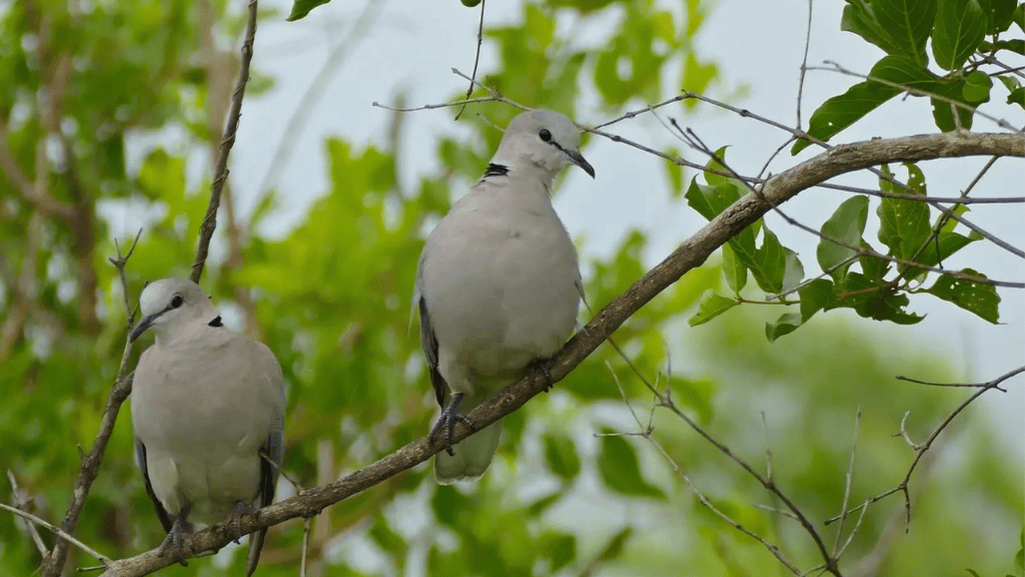

Ring-necked Dove (Streptopelia capicola) — Overview: The ring-necked dove is a calm, friendly bird prized for its soft fawn plumage and the neat black ring around its neck. This member of the Columbidae family makes a gentle pet and, with proper care, typically lives around 10–12 years in captivity.
Native to sub-Saharan Africa, these doves have also established populations in warm parts of the United States (including Florida and parts of the Southeast). Their adaptability to both wild and human-altered areas shows why this species appears across a range of habitats.
Care basics: ring-necked doves are small, hand-tameable birds (about 12 inches / ~305 mm long) that enjoy human interaction and moderate flight space. They are capable fliers and are best kept in roomy cages or aviaries with daily opportunities to exercise. Read on for detailed care, housing, and feeding guidance to make the most of your companionship with this appealing bird.
Key Takeaways
– Ring-necked doves make affectionate, low-maintenance companion birds well suited to calm households.
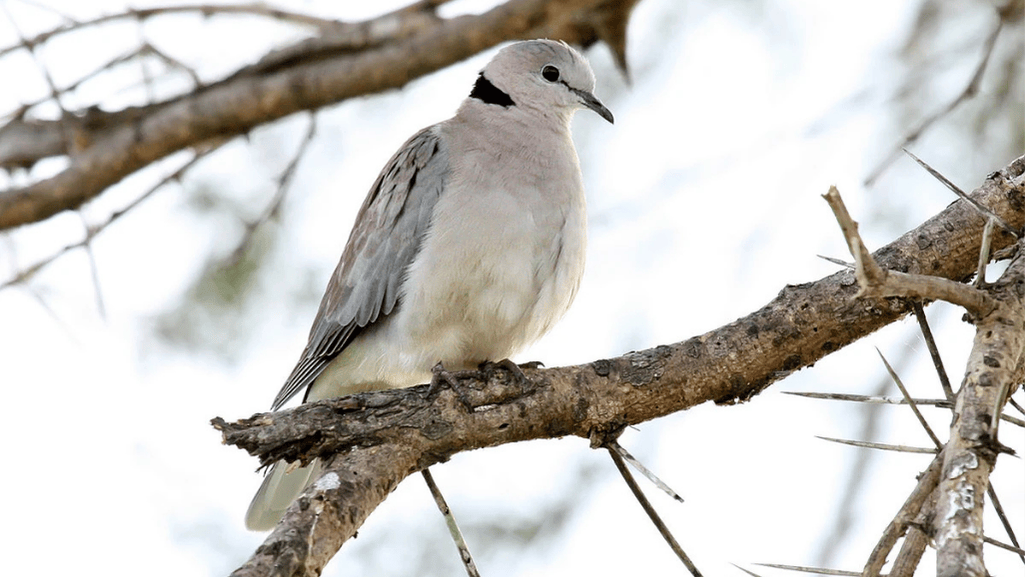
– Their soft fawn plumage and the distinctive black ring at the back of the neck are defining visual features.
– With consistent care, this dove species often lives about 10–12 years in captivity, offering long-term companionship.
– Native to Africa but adaptable to warm U.S. regions, these doves thrive in a range of habitats.
– Proper cage size, a balanced seed-based diet, and routine veterinary checks are essential for good health.
– Understanding their peaceful temperament helps strengthen the bird–owner bond.
– For additional reliable care tips and community support, check reputable dove sites such as the American Dove Association (search their site for resources).
Introduction to the Ring-necked Dove
 https://www.youtube.com/watch?v=CBu9jFMRh4Y
The ring-necked dove (Streptopelia capicola) is a widely kept companion bird valued for its soft fawn plumage and the characteristic black ring at the back of its neck. Long established in aviaries and homes, this species is both hardy and sociable, making it popular with bird keepers and hobby breeders.
Learn more about the Ring-necked Dove
Ring-necked doves show notable color variation thanks to selective breeding; hobbyists and breeders report many color varieties, which illustrates the species’ genetic diversity. The species also hybridizes with some related doves in captivity and in areas of overlap, producing variations in calls and tail markings in some offspring (hybridization reports are primarily from avicultural sources).
Species Description Notable Characteristics
Barbary Dove (Streptopelia risoria) Pale form commonly seen in captivity Primarily a domestic form derived from African stock; long kept in aviculture
Half-collared Dove (Streptopelia semitorquata) Largest of the ring-necked group Often noted for red eyes and distinctive cooing
African Collared Dove (Streptopelia roseogrisea) Present in aviculture and wild populations Can interbreed with ring-necked doves, affecting plumage and vocal traits
Ring-necked doves are social birds that bond well with people and other doves. For habitat, care, and feeding details, continue to the next sections on range, diet, and pet care.
Understanding the Ring-necked Dove’s Habitat
Ring-necked Dove habitat
The ring-necked dove is native to sub‑Saharan Africa and is especially common across southern Africa and parts of eastern southern Africa. While its core range is African savanna and open woodland, this adaptable species has established in warm, human‑modified regions including pockets of the southeastern United States.
African Origins and Domestic Populations
Often called the African dove, Streptopelia capicola thrives in dry open country and in cultivated areas. Where kept in aviaries or released, domestic populations can persist in gardens and rural areas of suitable climate, adding to local birdlife and providing attractive subjects for wildlife photography.
Adaptability to Urban and Suburban Settings
Ring‑necked doves readily use urban structures for nesting and shelter and exploit food resources around people. They are equally at home on the edges of farmland and in suburban yards, showing the species’ resilience across different regions and areas.
Feature Urban Adaptation Suburban Integration
Nest Placement Ledges, windowsills, air‑conditioning units Trees, shrubs, and occasionally man‑made structures
Foraging Behavior Ground feeding on spilled grains, garden scraps Lawns, bird feeders, agricultural field edges
Interaction with Humans Often close to human activity but wary of disturbance Common and visible garden visitor in suitable climates
The ring-necked dove’s ability to occupy both wild and human‑influenced areas — from savanna edges to suburban gardens — helps explain its wide distribution and frequent sightings in compatible regions.
Physical Characteristics of the Ring-necked Dove
Ring-necked Dove appearance
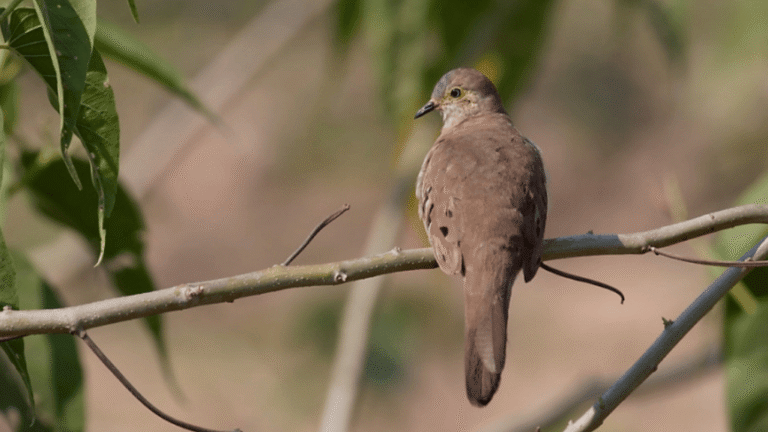
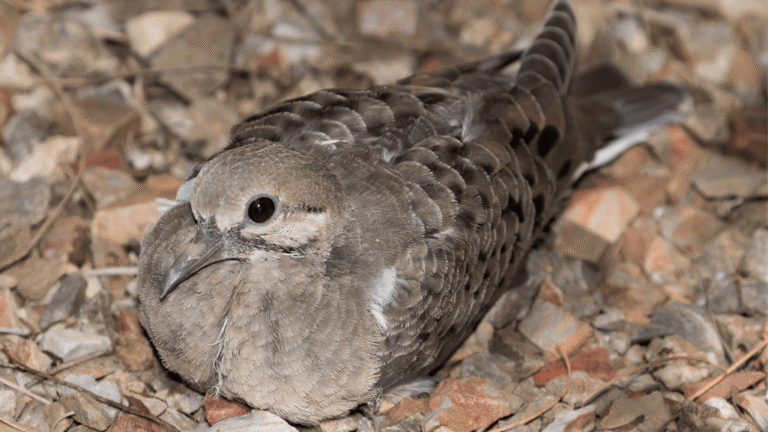
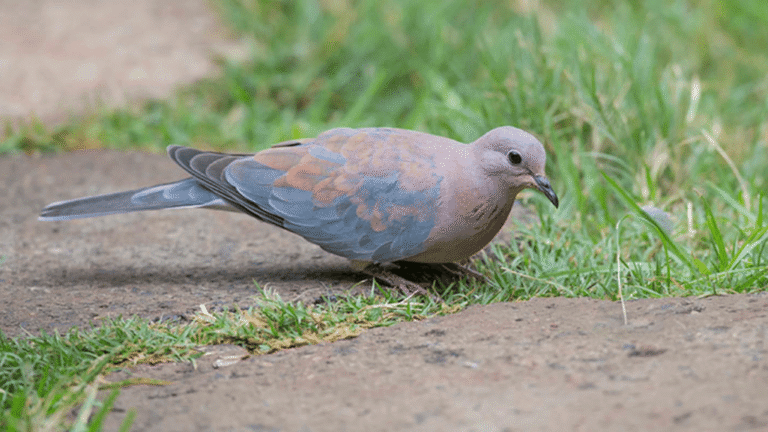
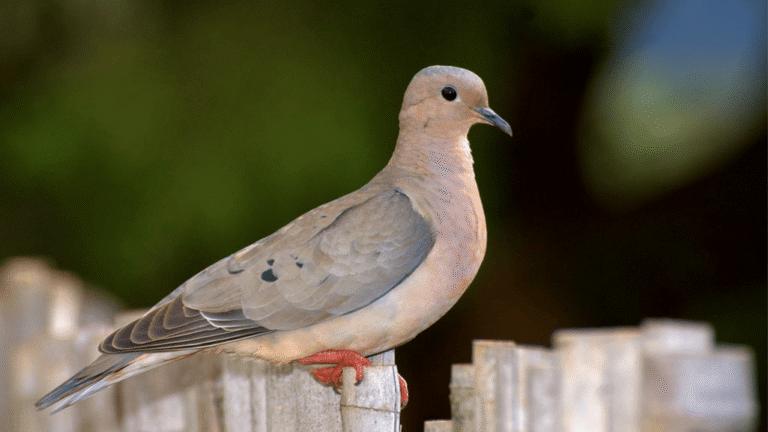
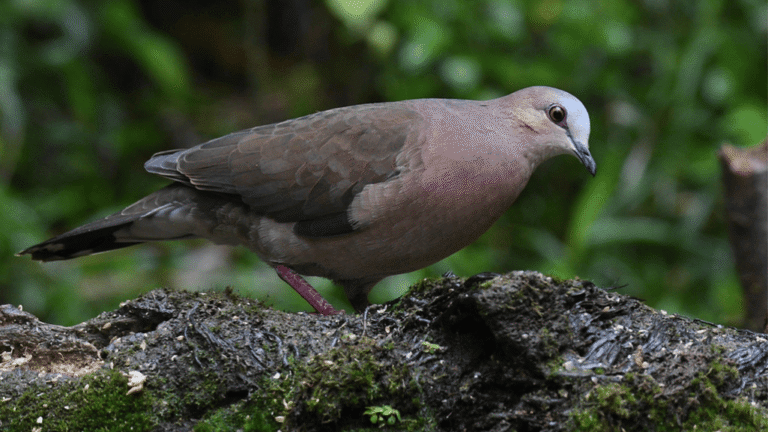
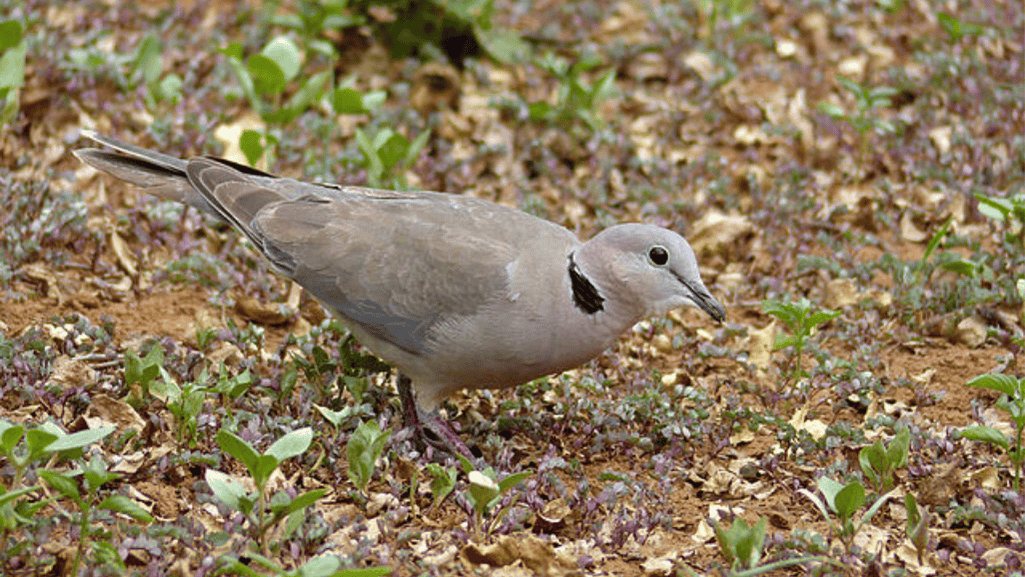 The ring-necked dove (Streptopelia capicola) is a small, compact bird recognizable by its soft fawn to greyish plumage and the narrow dark semi‑collar on the back of the neck. Its overall shape, modest size, and subtle markings make it straightforward to identify among other pigeons and doves.
Adults measure roughly 12 inches (≈305 mm) from head to tail and have a wingspan suited for quick, direct flight. Plumage ranges from pale buff to deeper grey tones; some captive-bred types show more extensive color varieties, including paler “peach” or darker grey forms. Tail shape and the often grey tail shading are useful field marks when differentiating related species.
Sexual dimorphism is subtle: females tend to display slightly duller coloration than males, while males may show bolder contrast at the back neck and chest during display. Eye color can vary among related forms and domestic varieties (red-eyed forms are noted in some related species). These physical traits—tail pattern, eye tone, back and neck markings—help separate the ring-necked dove from similar species and inform avicultural breeding choices.
Feature Description Remarks
Average Length Approximately 305 mm Typical adult size
Weight Range About 150–200 grams Varies with sex and condition
Color and Types Multiple captive varieties and wild morphs Includes grey tail variants and selectively bred colors
Nutrition and Diet: Feeding a Ring-necked Dove
 Feeding a balanced diet is essential for keeping ring-necked doves healthy. These birds are primarily granivorous (seed‑eaters), so a thoughtful seed mix plus supplemental foods will supply the nutrients they need at every life stage.
Seed-Based Diets and Importance of Grit
– Core diet: offer a high‑quality dove or pigeon seed mix (millet, sorghum, safflower, cracked corn) as the staple food.
– Grit: provide both fine and coarse grit or commercially available digestive grit so birds can grind seeds in the gizzard. Grit supports proper digestion but should be offered in a separate dish rather than mixed into feed.
Mixing food types helps avoid nutritional gaps. Add small amounts of fresh vegetables, leafy greens, and occasional cooked legumes for variety and vitamins. Keep clean water available at all times.
Calcium Supplementation and Feeding Frequency
– Breeding birds and growing youngsters need extra calcium: supply cuttlebone, crushed oyster shell, or a veterinary‑recommended calcium supplement to support eggshell formation and skeletal development.
– Feeding frequency: adults typically have ad lib access to seed during the day; young birds transition to seeds over the first month (see milestones below).
Age (Days Post-natal) Developmental Milestone Food Transition
14 Begin pecking at solids Introduce mixed small seeds and soft foods
16 Ingesting seeds efficiently Increase proportion of seed mix
28 Nearly adult feeding efficiency Mostly independent on seed diet
Monitor chicks during this transition; crop health and weight gain are the best indicators of progress.
Sample daily feeding suggestions
– Morning: fresh seed mix and clean water.
– Midday: access to greens or small portion of cooked grains/vegetables (rotating items for variety).
– Evening: top up seed and check water; remove any uneaten perishables.
Pet Care Essentials for the Ring-necked Dove
Good nutrition goes hand in hand with proper housing and enrichment. Below are practical care guidelines.
– Cage and aviary size: provide a roomy enclosure. For a single dove a cage of at least 36 x 18 x 24 inches is recommended; for exercise and pairs, larger aviaries or daily out‑of‑cage flight time are much better. Bar spacing around 3/4″ to 1″ helps prevent escape or injury.
– Perches: install perches of varied diameters and textures to support foot health and exercise—natural wood perches are ideal.
– Hygiene and environment: fresh water daily, clean feeders, and regular cage cleaning reduce disease risk.
Bathing, light, and activity
– Bathing: provide a shallow bath 1–3 times per week depending on season and bird preference; many doves enjoy frequent shallow baths.
– Sunlight and light exposure: doves benefit from natural sunlight or full‑spectrum lighting for a few hours a day; ensure safe, shaded options and avoid overheating.
Common practical tips
– Use a balanced seed mix formulated for doves or pigeons and rotate fresh foods for vitamins.
– During breeding or growth, increase protein slightly (commercial breeder mixes cover this); consult an avian vet before adding supplements.
– Provide toys and soft bells for enrichment—doves enjoy gentle interaction and environmental stimulation.
In summary, a seed‑based core diet, grit and calcium supplements when needed, a roomy cage or aviary with varied perches, and regular bathing and light will keep ring-necked doves healthy and active. For precise supplement dosing or special dietary needs, consult an avian veterinarian.
“Ring-necked Dove”: The Sociable and Gentle Bird
Ring-necked Dove Gentle Behavior
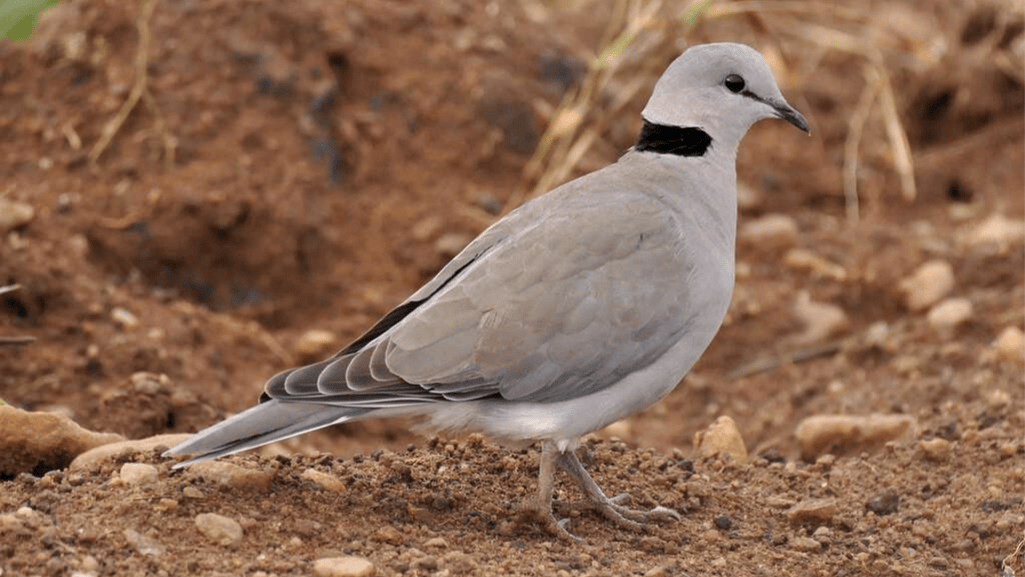 The ring-necked dove is prized by bird enthusiasts for a calm, gentle temperament that makes it both a pleasant aviary species and a family pet. These doves are social by nature and often enjoy human interaction when tamed gently and consistently.
Behavior and Temperament
Ring-necked doves are typically mild‑mannered and show little aggression, which is one reason they’re recommended for households with older children. With patient handling—offering treats, short hand‑feeding sessions, and quiet time—many become reliably hand‑tame over weeks to months. Males may display more assertive courtship behaviors toward each other or during breeding season, but outright aggression is uncommon.
Compatibility with Other Bird Species
These doves usually adapt well to mixed aviaries and do best when kept in compatible pairs. They are attentive parents and cooperate in chick rearing, which contributes to successful breeding in the right environment.
Practical do’s and don’ts
– Do introduce new birds gradually in neutral space and monitor interactions.
– Do supervise children’s interactions and teach gentle handling.
– Don’t overcrowd enclosures—space reduces stress and the risk of fights.
Because of their sociable way and steady temperament, ring‑necked doves make excellent companions and are a forgiving choice for first‑time dove keepers who want a calm, interactive bird.
Breeding and Reproduction of Ring-necked Doves
Learning about dove breeding habits reveals how these birds reproduce and what keeps clutches successful. Ring‑necked doves generally form long‑term pair bonds, which supports stable nesting and chick rearing.
Nesting Behaviors and Clutch Care
Ring‑necked doves prefer simple, open platform nests placed in trees, shrubs, or sheltered ledges. Pairs commonly lay two eggs per clutch (occasionally two to three), and many breeders report multiple broods each year in favorable conditions.
Incubation timing: parents typically begin full incubation after the clutch is complete, which helps synchronize hatching so chicks emerge close together. Typical incubation runs about 13–15 days, followed by a nestling period that lasts roughly 14–18 days until fledging (monitor local sources for exact timing).
Parental Duties and Rearing of Chicks
Both the male and female share incubation and feeding duties. Newly hatched chicks are fed a nutrient‑rich “crop milk” produced by the parents for the first days, then gradually transition to regurgitated and whole seeds as they develop.
Practical breeding checklist
– Provide a quiet, secure nesting area and offer a sturdy platform or shallow basket nest.
– Ensure a balanced diet for the breeding pair with extra calcium (cuttlebone or crushed oyster shell) and adequate protein during egg production and chick rearing.
– Keep the pair comfortable—avoid overcrowding and minimize sudden disturbances to reduce stress and fighting.
Sample timeline (approximate)
– Pair bonding to first egg: a few days to a few weeks depending on compatibility.
– Egg laying: usually two eggs, laid a day or two apart.
– Incubation: begins after clutch completion; ~13–15 days.
– Nestling period: chicks leave nest about 14–18 days after hatching and continue to be fed by parents for a short time.
Health and spacing: give parents rest between clutches where possible and maintain hygiene in nesting areas to reduce disease risk. If supplementing with high‑protein items like mashed hard‑boiled egg, do so sparingly and under guidance to avoid imbalances.
Breeding ring‑necked doves successfully depends on appropriate space, balanced nutrition, calm conditions, and attentive monitoring of the pair and their chicks. When managed thoughtfully, pairs will produce healthy chicks and contribute to sustainable aviculture.
Health and Common Conditions in Ring-necked Doves
Understanding ring-necked dove health is essential for responsible care. These birds can be affected by several common conditions—parasites, bacterial infections, and digestive or respiratory problems—so prevention and early action are vital.
Common issues to watch for
– Canker (trichomoniasis): look for cheesy or caseous deposits in the throat, reduced appetite, and weight loss. Contaminated water and poor hygiene can contribute to outbreaks.
– Red mites and external parasites: signs include restlessness, feather damage, paleness, and anemia in severe infestations.
– Avian chlamydiosis (often called psittacosis in other birds): may show as respiratory distress, watery or crusty eyes, and nasal discharge; it can be zoonotic, so handle with care and seek vet guidance.
– Salmonella and other enteric infections: symptoms can include lethargy, joint swelling, diarrhea, and decreased appetite; rodent control and sanitation reduce risk.
Prevention and basic care (non‑prescriptive)
– Hygiene: change drinking water daily, clean feeders and nesting areas frequently, and remove uneaten perishable foods promptly.
– Quarantine new birds: isolate new arrivals for at least 30 days and observe for any signs of illness before mixing with established birds.
– Parasite control: maintain clean nesting and roosting sites; consult an avian vet for safe mite‑control products and protocols.
When to see an avian veterinarian
– Any bird showing breathing difficulties, fluffed appearance for more than 24 hours, persistent diarrhea, visible lesions in the mouth or throat, or sudden changes in behavior or weight.
– If you detect eye or nasal discharge, severe lethargy, or signs of systemic illness, seek prompt veterinary care; many conditions require professional diagnosis and targeted treatment.
Quick reference table
Disease Common Signs Recommended Action
Canker Cheesy throat deposits, weight loss See vet for diagnosis and treatment; maintain water/feeder hygiene
Red Mites Restlessness, feather loss, anemia Deep clean aviary; vet‑approved parasite treatments
Chlamydia Respiratory signs, ocular discharge Veterinary testing and supervised antibiotic therapy if confirmed
Salmonella Diarrhea, lethargy, joint issues Isolate affected birds; consult vet for testing and management
Final notes
Regular wellness checks, a balanced diet, clean water, and a sanitary environment are the most effective ways to keep your dove healthy. For detailed, authoritative guidance, consult avian vet resources and reputable dove sites—early detection and professional care greatly improve outcomes for affected birds.
Unique Vocalizations: Ring-necked Dove Sounds
The soft, melodic cooing of the ring-necked dove is a familiar, soothing sound for many bird lovers. These dove calls are an important part of the species’ communication repertoire and are often compared to the coos of related pigeons such as the Eurasian collared dove and the mourning dove.
Cooing Patterns and What They Mean
Ring-necked doves use a range of call patterns for different contexts: short repeated coos for contact, longer rolling coos during courtship, and sharper notes when alarmed. Observers sometimes report subtle differences between males and females, but most sex‑related distinctions are anecdotal and best confirmed by watching behavior during pairing and display.
Typical call example: a soft, rhythmic “coo‑coo… coo‑coo… coo” used to maintain contact between mates or signal contentment.
Volume and Considerations for Dove Owners
Ring-necked doves are not as loud as many parrots, and their sound level is generally gentle—making them suitable for quieter homes or yards. However, frequent cooing can be noticeable; prospective owners should consider neighbors and household noise tolerance. Remember that each vocalization carries meaning—bonding, territorial display, or distress—so paying attention to call context helps owners respond appropriately.
Ring-necked Dove — Quick FAQ & Closing Notes
What are some interesting facts about the ring-necked dove?
The ring-necked dove (Streptopelia capicola) is recognized by the narrow black ring on the back of its neck, a calm temperament, and a long history in aviculture. These doves are prolific breeders, readily hand‑tamed, and commonly live about 10–12 years in captivity with proper care.
What makes the ring-necked dove a good companion bird?
Their gentle, easygoing nature and sociability make them excellent pets for calm households. They take well to gentle handling, can be kept singly or in pairs, and often coexist peacefully with other compatible birds.
What is the native habitat of the ring-necked dove?
Native to sub‑Saharan Africa—especially southern Africa and parts of eastern southern Africa—this species occupies open savanna, woodland edges, and agricultural areas. It also adapts well to gardens and suitable urban or suburban regions.
What are the key physical traits?
Ring-necked doves are small to medium sized (about 12 inches / ~305 mm from head to tail), with soft fawn to grey plumage, a grey tail shading in many forms, and the distinctive dark ring at the back neck. Weight typically ranges around 150–200 g. Some captive varieties show expanded color types.
What does a proper diet look like?
A balanced, seed‑based mix formulated for doves or pigeons is the foundation; provide grit for digestion, fresh water, and supplemental greens or cooked grains. Breeding birds and growing chicks require added calcium (cuttlebone or crushed oyster shell) and slightly higher protein when advised by an avian vet.
How do ring-necked doves reproduce?
They form stable pair bonds and build simple open platform nests. Clutches are commonly two eggs (occasionally two to three). Incubation begins after clutch completion to help synchronize hatching; chicks fledge roughly 14–18 days after hatching.
What health issues should owners watch for?
Common concerns include external parasites (red mites), canker (trichomoniasis), avian chlamydiosis, and enteric infections such as Salmonella. Good hygiene, quarantine for new birds, and prompt veterinary care for suspicious signs are essential.
What do they sound like and how noisy are they?
Ring-necked doves give soft, rhythmic coos similar to other pigeons (collared dove, mourning dove). Their calls are generally gentle and suitable for quieter homes, though regular cooing can be noticeable—listen for context to tell whether calls indicate bonding, courtship, or distress.
Final tips and resources
– Numbers & measures: use consistent units (imperial and metric) when noting length and weight; we used 12 inches (~305 mm) and ~150–200 g above for clarity.
– When to seek help: consult an avian veterinarian for illness, breeding guidance, or supplement dosing rather than relying solely on online forums.
– Want to learn more or adopt? Check reputable dove sites and avicultural associations for breeders, rescue groups, and care guides—these sites provide species facts, region‑specific advice, and community support.