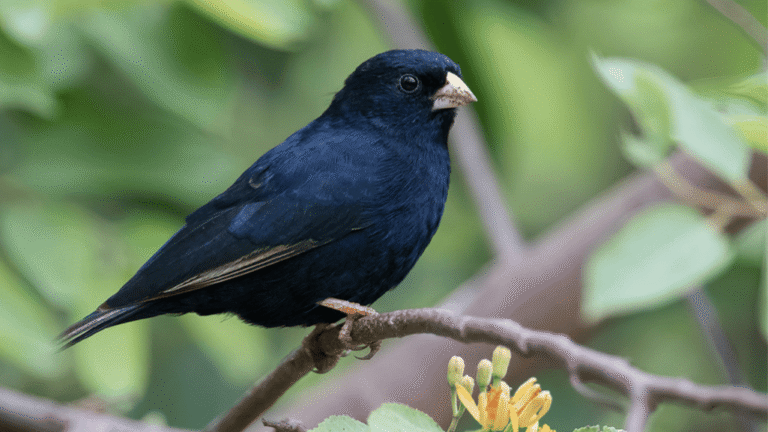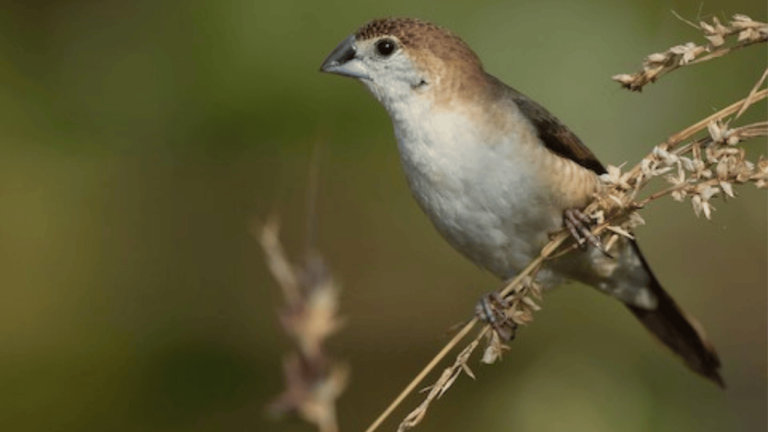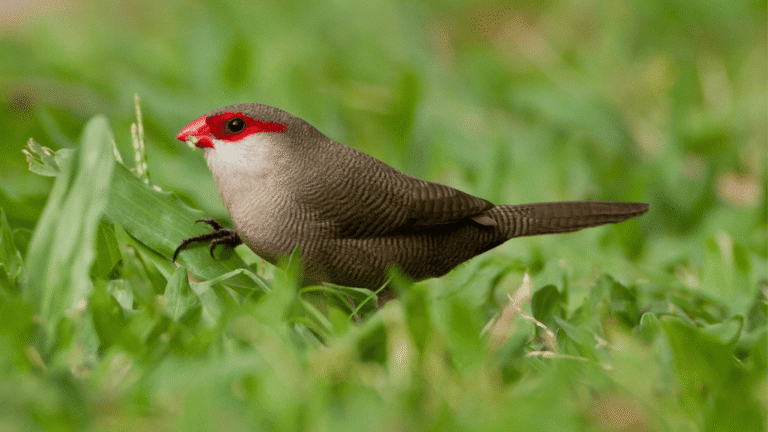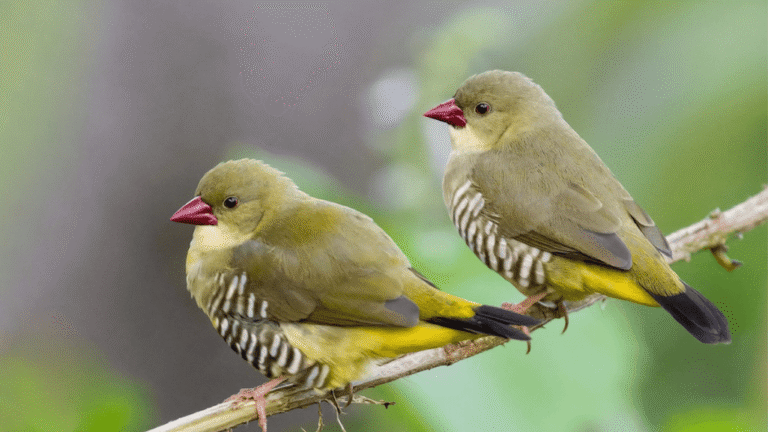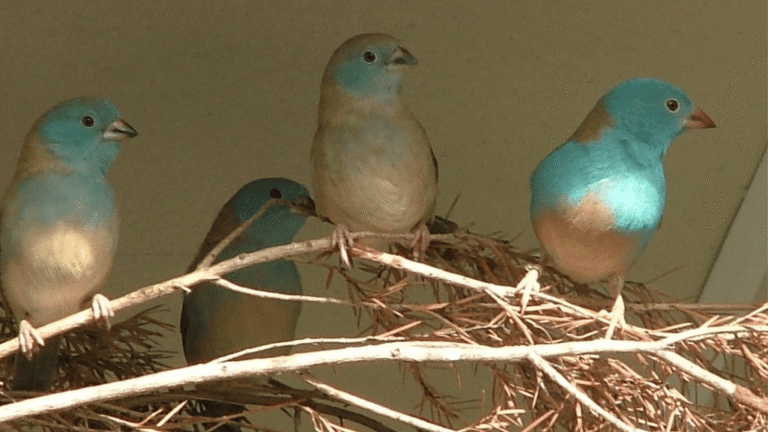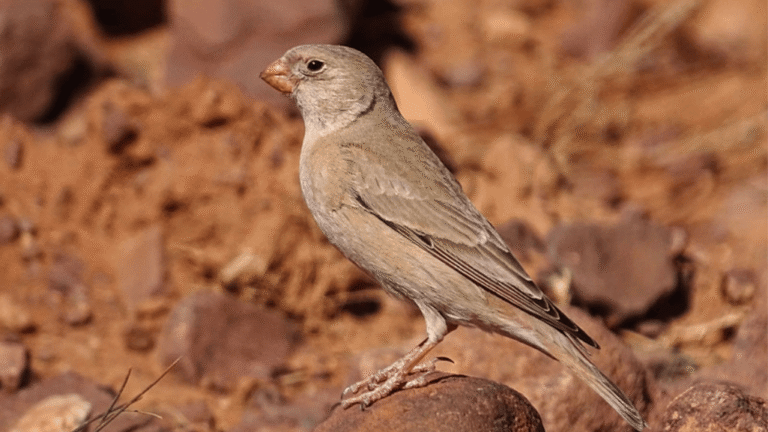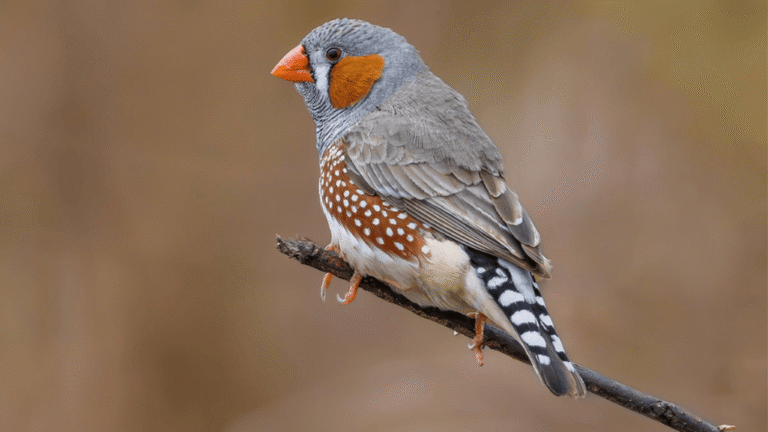

The Yellow Weaver Finch, Ploceus subaureus, is a small, colorful weaver species noted for its intricate woven nests and striking breeding displays. This finch lives in parts of southern and eastern Africa and draws interest from birdwatchers and ornithologists for its elaborate nest-building and cooperative breeding behaviors. Read on for concise, practical information on nesting, breeding, and habitat for the Yellow Weaver Finch.
Key Takeaways:
- The Yellow Weaver Finch is a weaver in the genus Ploceus known for weaving rounded nests from grass and leaf fibers.
- Males build the woven nests and create small, protective entrance holes; females inspect and line accepted nests for eggs and nestlings.
- Typical clutch sizes and incubation periods vary by population—see species accounts for precise data—but the pair cooperates during incubation and feeding.
- Nests are often placed over water or on isolated branches to reduce predation risk; tightly woven grass and leaf material improves durability.
- This page provides practical, field-ready information about the Yellow Weaver Finch’s nesting, breeding, and habitat—useful content for birders, researchers, and conservationists.
The Weaving Process of the Yellow Weaver Finch
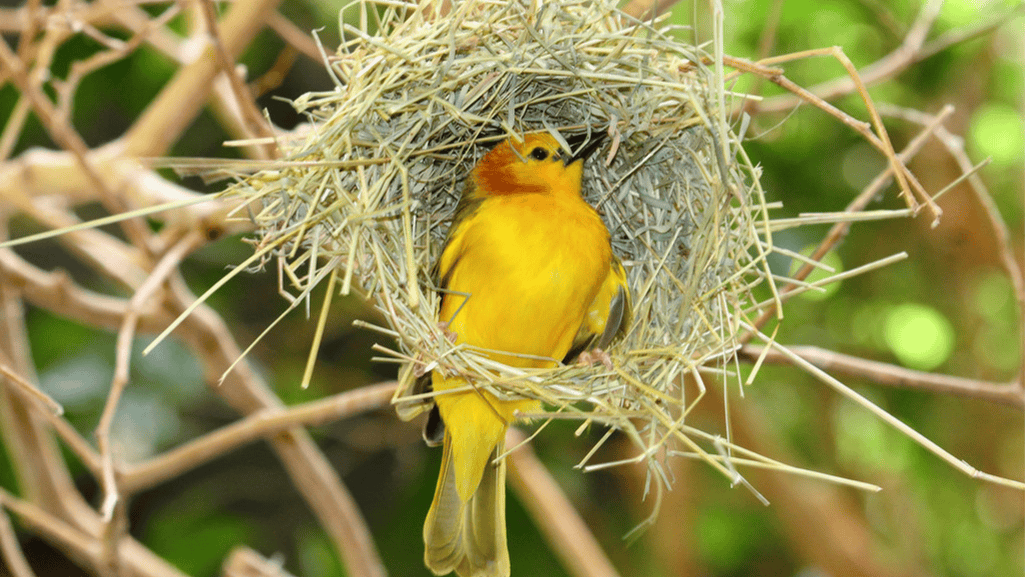 Male Yellow Weaver Finches take the lead in nest construction. After selecting a suitable branch or fork in a tree, the male gathers flexible blades of grass, thin leaves, and other fibrous material. Using its beak like a needle, it knots and weaves strands to form a tightly bound, rounded structure — the classic woven nest that identifies this weaver in the field.
Materials and method — brief checklist:
- Primary materials: pliable grass blades, fine strips of leaf, occasional twigs for support.
- Anchor point: a hanging branch or reed stem (often over water or exposed to fewer ground predators).
- Construction: weave exterior wall first, then build interior cup; males adjust weave density for durability.
Design features: many Yellow Weaver Finch nests include a small, tube-like entrance near the base. That entrance helps parents access eggs and nestlings while deterring predators such as snakes. The tightness of the weave and choice of materials contribute to water resistance, giving the nest resilience against heavy rain.
Timing: construction time varies with experience and conditions — many observations report nests taking several days to a week. If the female inspects and rejects a nest, the male may dismantle or extend the structure and start a new build; this courtship-by-construction is typical among weaver finches.
Field tip: watch for males working alone at dusk or dawn; their deliberate weaving motion and repeated trips with grass blades make nests easy to spot. For species-level details consult Ploceus accounts in regional field guides — they provide verified timings and material preferences for this species.
The Role of the Female Yellow Weaver Finch
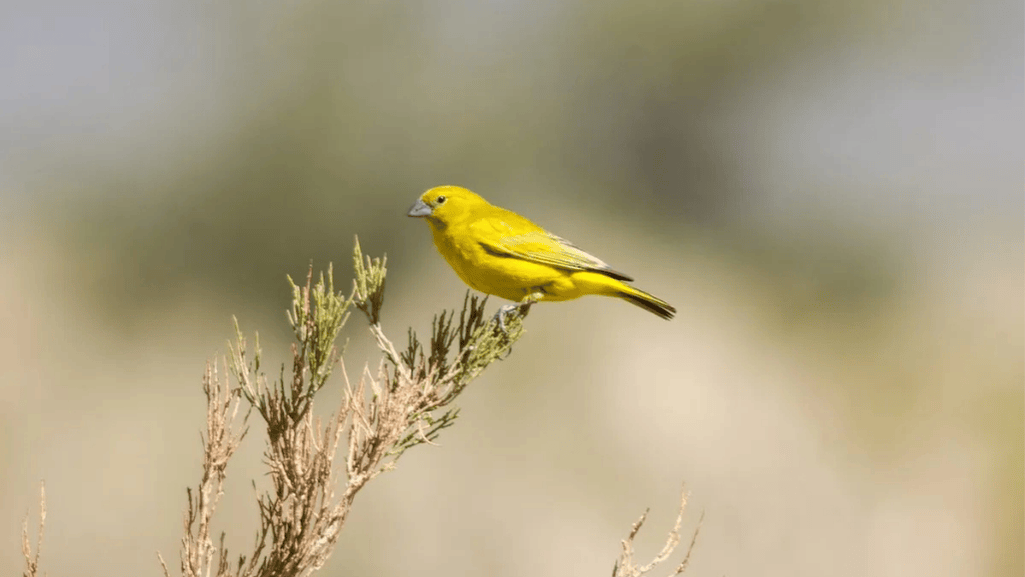 Female Yellow Weaver Finches play a selective, hands-on role once the male completes the woven structure. She inspects the nest for stability, entrance size, and comfort; only after approval will she proceed with nesting activities. This inspection step is a crucial part of the species’ reproductive routine and influences male nest-building effort.
If satisfied, the female lines the interior with softer material — fine grasses, down, and sometimes small leaf fragments — to insulate eggs and cushion eggs and nestlings. Lining improves thermal regulation and reduces egg roll risk during incubation, increasing nest success in the family Ploceidae.
Quick facts: female nesting behaviors
- Inspect nest structure and entrance before laying.
- Line nest with soft grasses, down, and leaf fragments for insulation.
- Typically incubates the clutch (species-specific — verify with regional accounts) and helps care for nestlings.
Accessibility note: add descriptive alt text for the main image (suggested alt text included above) to help birders and search engines identify the species and nesting behavior. For precise, species-level details about female incubation and feeding roles, consult regional Ploceus field guides or peer-reviewed studies.
The Significance of Nest Location for the Yellow Weaver Finch
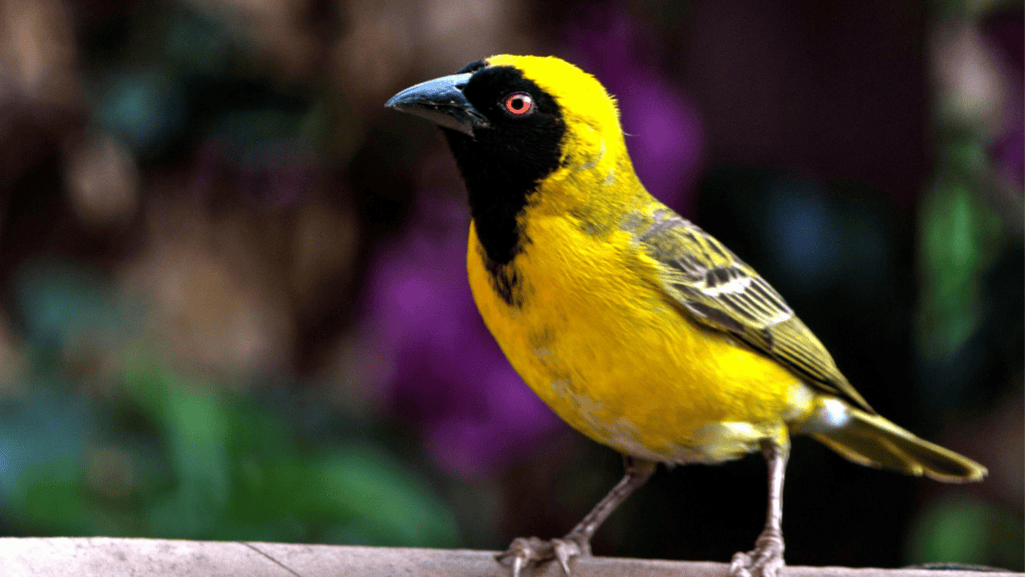 Yellow Weaver Finches carefully choose nest sites to maximize offspring survival. Males commonly place woven nests on a hanging branch or reed stem often over water, which reduces access for ground predators such as snakes and makes it harder for raiders to reach the nest. Choosing an exposed tree fork or reed bed also improves visibility so the pair can detect threats early.
Typical nesting microhabitats (region-dependent):
- Branches over ponds, rivers, or seasonal pools.
- Reed beds and tall grasses at water margins.
- Isolated forks of acacia or small trees near open habitats.
Benefits of these locations include predator avoidance, reduced parasite transfer from ground nests, and sometimes better microclimate for eggs. Where available, over-water sites are favored because they expand the effective protective range of the nest by making terrestrial approaches difficult. Note: local reports vary — consult regional Ploceus and village weaver accounts for precise patterns in a specific country or reserve.
The Breeding Cycle of the Yellow Weaver Finch
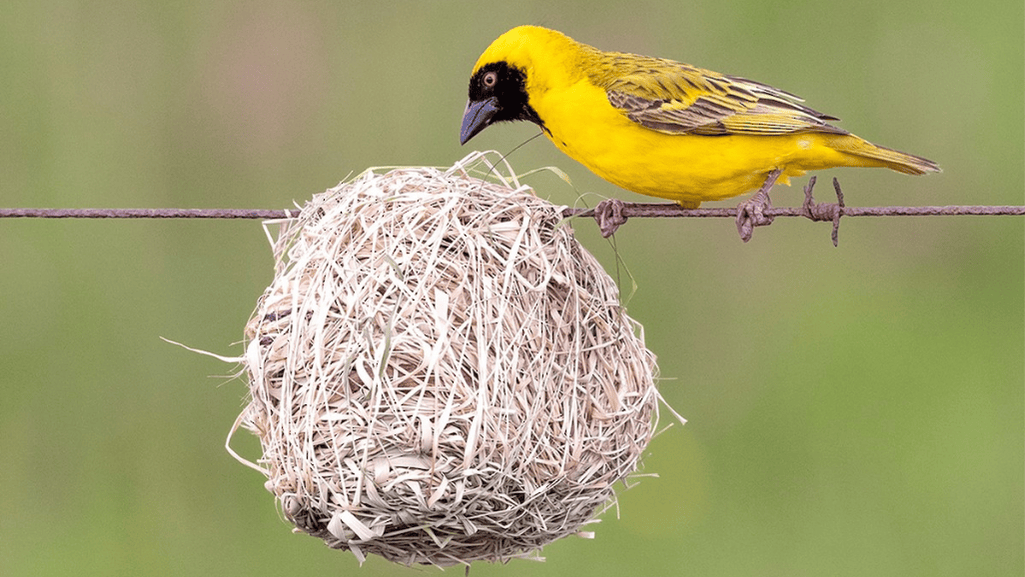 The Yellow Weaver Finch follows a predictable breeding sequence common to many Ploceus weavers. After the female accepts a completed woven nest, she typically lays a clutch of two to four eggs. Reported timings vary by population and local conditions, so consult regional guides for precise data.
Typical timeline (field-observed averages):
- Egg laying: 2–4 eggs per clutch (species- and site-dependent).
- Incubation: females commonly incubate for around 10–12 days while males provision the incubating female.
- Nestling period: young typically remain in the nest for approximately 17–21 days before fledging, with parents continuing to feed them after leaving.
Roles: females usually perform most incubation and direct nest care; males contribute by bringing food to the incubating female and feeding nestlings after hatching. Because local conditions can change timings, include citations from regional Ploceus (Yellow Weaver Finch) accounts or the Handbook of the Birds of the World when publishing exact figures.
The Interaction Between Male and Female Yellow Weaver Finches
During the breeding season, male Yellow Weaver Finches use nest-building and visual displays to attract females. A male will show off bright plumage, call, and perform wing or body movements to draw attention to his nest site. These courtship behaviors are common across the genus Ploceus and are a central part of mate selection for this species.
Once a nest is complete, the male typically waits nearby while the female inspects entrance size, internal stability, and lining potential. If she approves, nesting proceeds. If she does not, the male may rebuild or modify the nest — a behavior that demonstrates how construction serves as both shelter and courtship.
Summary of interactions
- Male courtship displays and nest-building attract females.
- Female inspects completed nests and approves or rejects them.
- Rejection often leads to nest modification or rebuilding by the male.
- Cooperation continues through incubation and feeding, supporting nestling survival.
| InteractionDescription | |
| Male Courtship Displays | Male shows vibrant plumage, performs wing movements, and calls to draw female attention to his nest. |
| Female Nest Inspection | Female evaluates entrance, stability, and lining; approval permits laying and incubation. |
| Nest Rejection | If the nest is rejected, the male builds again or alters the structure to meet female preferences. |
| Cooperative Care | After hatching, males and females typically cooperate in feeding nestlings and protecting the nest. |
Protection and Challenges for Yellow Weaver Finch Nests
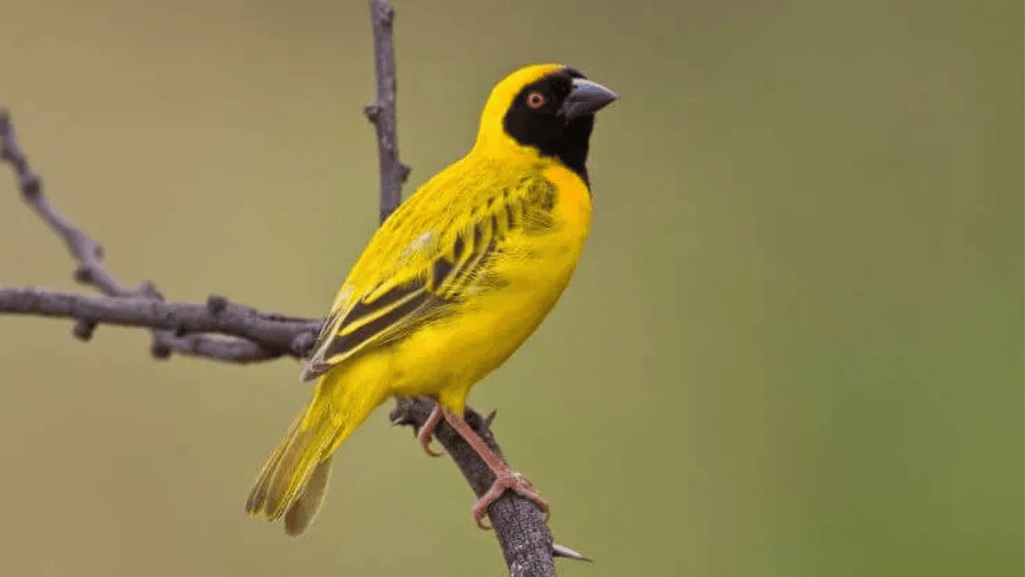 Yellow Weaver Finches face both natural and human-caused threats to nest success. Predators (snakes, raptors, and mammalian raiders) and extreme weather pose risks, while habitat change and fluctuating water levels can remove the safe microhabitats these birds prefer. In response, weavers use site selection and construction techniques to protect their young.
Key protection behaviors include choosing nest sites over water or on isolated branches, building a small entrance hole to limit predator access, and weaving dense walls from grass and leaf fibers for strength and water resistance.
Nest Protection Strategies
- Site choice over water or in tall reedbeds to reduce terrestrial predator access.
- Small, concealed entrance holes to deter snakes and larger raiders.
- Dense woven walls from grass and leaf fibers provide durability and rain resistance.
Challenges remain: aerial predators (raptors) may still take nestlings, and brood parasitism or nest predation by opportunistic birds or mammals can reduce success. Insect abundance near nesting sites influences food availability for nestlings, so changes in insect populations (e.g., from pesticide use) are an indirect threat.
Conservation note: habitat loss, water-level changes, and agricultural chemicals can reduce suitable nesting habitats and prey (insects). When publishing or using this content, verify local threats with regional conservation organizations or Ploceus species accounts.
Female Yellow Weaver Finch and Brood Parasitism
Female Yellow Weaver Finches may fall victim to brood parasitism — when other birds, notably some cuckoos, lay their eggs in a weaver’s nest. Because the female inspects and then incubates eggs, a parasitic egg can be accepted and raised along with her own young, imposing extra feeding demands on the pair.
In practice, a female might not detect the intrusion until the parasitic chick shows different behavior or calls. Brood parasitism creates competition for food and can reduce survival rates of a host’s own chicks; it also applies selective pressure on hosts to evolve egg-recognition or rejection behaviors over time.
How brood parasitism works (brief)
Brood parasitism allows parasitic species to outsource parental care: they lay eggs in host nests (here, a weaver nest), and the host incubates and feeds the intruder. The parasitic strategy increases the parasitic bird’s reproductive output while imposing costs on the host species.
Host responses vary: some finch and weaver populations have evolved egg recognition and rejection, others remain vulnerable. For Yellow Weaver Finch, documented rates and specific cuckoo hosts should be checked in regional field guides or peer-reviewed studies for accurate local information.
Practical tip for observers
If you monitor a Yellow Weaver Finch nest, note egg size, color, and pattern when possible; sudden differences in chick behavior or call type after hatching can indicate a parasitic chick. When preparing formal reports, reference regional Ploceus accounts or BirdLife/eBird records to confirm which cuckoo species are known local parasites.
Facts about brood parasitism and the Yellow Weaver Finch
| IssueImplication | |
| Parasitic eggs in weaver nests | Hosts may raise unrelated chicks, increasing competition and reducing host reproductive success. |
| Evolutionary pressure | May drive hosts to develop recognition or rejection behaviors; parasitic species evolve better mimicry. |
Distinctive Characteristics of Male and Female Yellow Weaver Finches
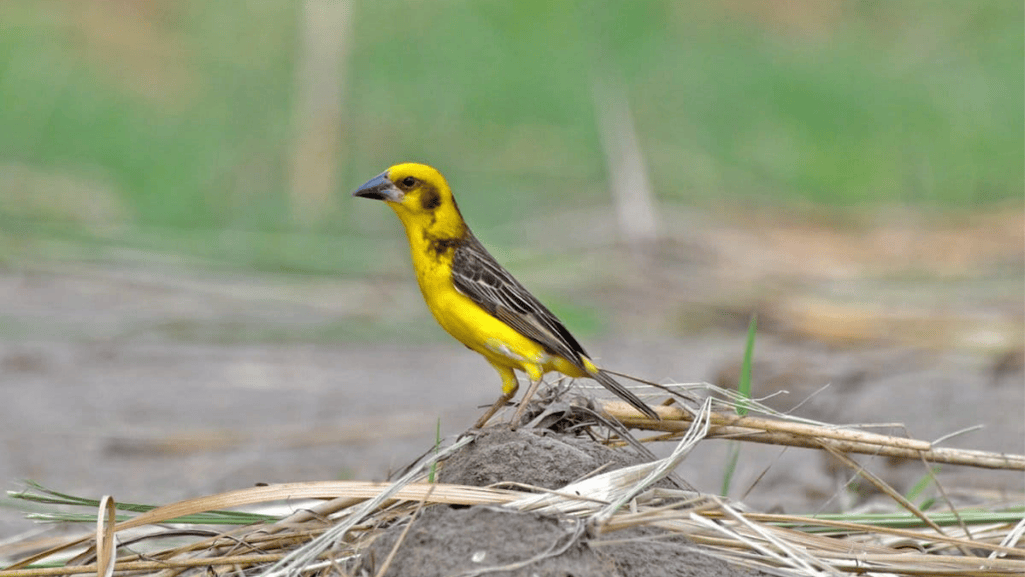
Male and female Yellow Weaver Finches show clear sexual dimorphism that helps observers and researchers identify individuals and understand breeding roles. Males are typically bright yellow with orange tones on the head and a contrasting dark mask; females are plainer, often light brown with a paler underside and a pink-brown bill. These differences are typical for many weaver finches in the family Ploceidae.
| Male Yellow Weaver FinchFemale Yellow Weaver Finch | |
| Bright yellow plumage with orange on the head; bold black mask from throat to forehead; used in visual courtship displays. | More cryptic brownish tones with paler underparts and a pink-brown beak; coloring aids camouflage during incubation and nesting. |
| Conspicuous during display; helps females assess male quality. | Blends with nesting habitat; reduces detection by predators. |
This sexual dimorphism supports mate choice and helps the group identify breeding individuals. Observers should record plumage, bill color, and any distinctive masks or markings when reporting sightings to improve species-level data in regional databases.
Habitat and Distribution — summary
Ploceus subaureus (Yellow Weaver Finch) occurs in parts of southern and eastern Africa and prefers open habitats like grasslands, savannahs, and woodland edges. Sightings are recorded in countries such as South Africa, Namibia, Botswana, Zimbabwe, and Mozambique, but detailed mapping of the species’ full range and movements benefits from continued records to platforms like eBird and national atlases.
Conclusion
The Yellow Weaver Finch is a striking member of the Ploceus genus whose sexual dimorphism, nesting skills, and breeding behaviors offer valuable information for birders and researchers. Observations of plumage, nests, and habitats help build the species’ profile and support conservation of its preferred grassy and riparian environments.
FAQ
What is the Yellow Weaver Finch?
How can you tell males and females apart?
Where is the Yellow Weaver Finch found?