

Welcome to a concise guide to finches — small, often colorful birds that have fascinated scientists and birdwatchers for centuries. You’ll learn how the finch family (Fringillidae) is classified, why beaks and plumage vary so much, and what those differences tell us about adaptation and evolution. Keep reading to discover how to spot common species in your backyard and what conservation actions matter most.
Finches display striking plumage — think the American Goldfinch’s bright yellow or the House Finch’s rosy red — and their beaks are equally diverse. Beak shape is tied to food and foraging style: some finches pry seeds from pine cones, others feed on thistle or sunflower seeds, and a few specialize on insects or nectar. Those differences are a window into how species adapt over time.
The finch family contains roughly 230 species worldwide — a number that can vary by taxonomic source — and its members occur across many regions, from islands like the Galápagos to temperate North American forests. That global spread and the variety of beak forms make finches an ideal example of how natural selection and speciation work in real time.
From Darwin’s finches to modern conservation challenges like habitat loss and climate change, this article covers finch biology, behavior, and the practical steps you can take to help. Whether you’re tracking flocks in winter or watching a male show off its breeding colors in spring, you’ll come away with clear ID tips and action points to support these remarkable birds.
Key Takeaways
- The finch family, Fringillidae, includes about 230 species of small to medium-sized birds with diverse plumage and beak shapes.
- Finches occur in many habitats worldwide — from island ecosystems to North American forests — and often form flocks outside the breeding season.
- Their diversity largely stems from adaptive radiation and natural selection: different beaks and behaviors let species exploit different food bases and niches.
- Finch species show striking plumage differences (often between males and females) and beak specializations tuned to diet and habitat.
- Many finches face threats like habitat loss and climate change; learning to identify them and supporting conservation helps protect these birds over time.
Introduction to the Finch Family
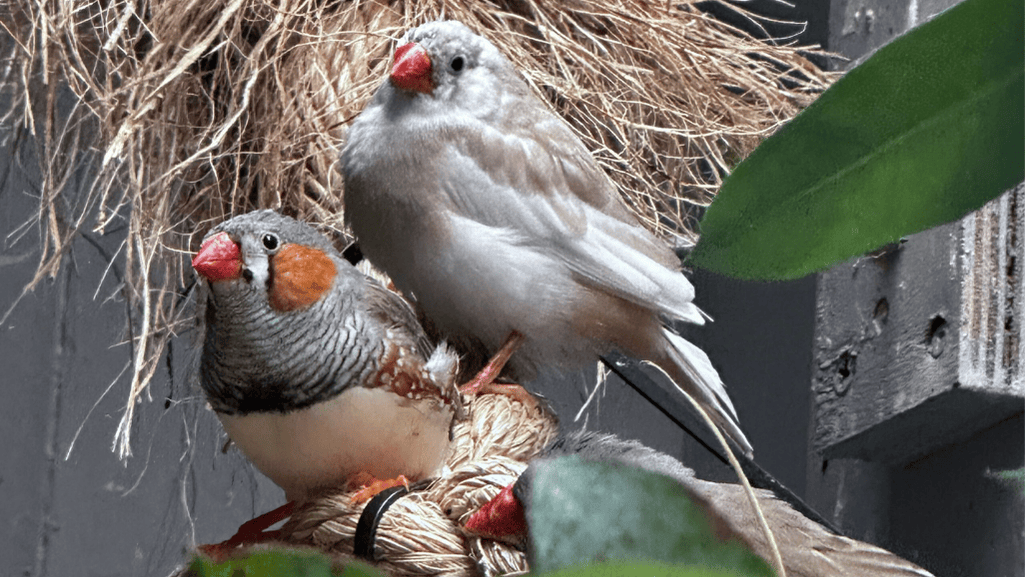 The finch family (Fringillidae) sits within the order Passeriformes and includes small to medium-sized birds admired for their varied colors, lively songs, and specialized beaks. Taxonomy sources generally list roughly 230 species in the family; for clarity, this article uses that figure consistently. Finch characteristics — from stout, seed‑cracking bills to distinct plumage — explain how these birds occupy many ecological niches across the globe.
Most finches rely on a seed-based diet and have strong, conical beaks adapted for cracking seeds and nuts, but diets can shift seasonally to include insects or nectar — especially during breeding, when extra protein is needed. The Galápagos group known as Darwin’s finches famously illustrates evolution in action: small differences in beak shape and size reflect adaptations to different food sources and habitats over time.
| Finch CharacteristicDescription | |
| Size | Small to medium, typically under 6 inches (varies by species) |
| Legs | Perching feet: three toes forward, one backward — ideal for branches and feeders |
| Beak | Stout, conical, and strong — ideal for cracking seeds; some groups show specialized bills |
| Plumage | Ranges from bright, sexually dimorphic colors to muted, camouflaged tones depending on species and season |
| Vocalizations | Pleasant, often complex songs used for mate attraction and territory defense |
| Migration | Varies by species — many are resident, while others show seasonal or altitudinal movements |
Finches are appreciated for their songs, social behavior, and ecological roles. Many species gather in flocks outside the breeding season to forage and roost, and these social dynamics — plus their diverse diets and ranges — make them rewarding subjects for birdwatchers and scientists alike.
Finch Species Diversity
The finch family (Fringillidae) includes roughly 230 recognized species worldwide. That taxonomic diversity gives us a broad range of finch forms — from plain, streaky sparrow-like birds to brilliantly colored species — each adapted to its own ecological niche. From the familiar house finch to the emblematic Darwin’s finches, these birds show how evolution shapes form and behavior.
Common North American species
In North America you’ll encounter several familiar finch species: the house finch, which has adapted well to towns and cities; the American goldfinch, with vivid yellow breeding plumage and a fondness for thistle and sunflower seeds; and the purple finch, noted for its raspberry-red tones and preference for coniferous and mixed woodlands.
The house finch’s success in urban areas illustrates how some finches adjust their range and behavior when people change the landscape.
Notable finches around the world
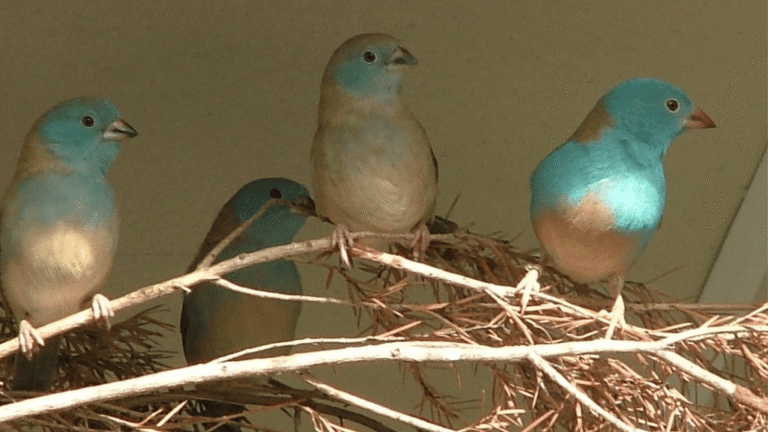
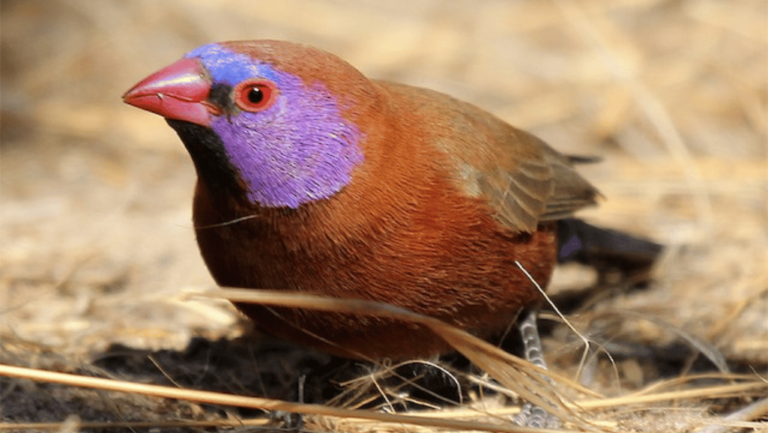
Globally notable finches include Darwin’s finches (Galápagos), the brightly colored Gouldian finch of Australia, and the Eurasian bullfinch. Each has evolved distinct features — especially beaks and plumage — that reflect local food sources and habitats.
Darwin’s finches are often cited as the textbook case of adaptive radiation: different islands and food bases produced species with ground‑crushing beaks, slender insect‑picking bills, or nectar‑probing shapes — a clear example of evolution shaping form to function.
| Finch GroupNumber of SpeciesNotable Adaptations | ||
| Darwin’s Finches | 18 (commonly cited) | Wide range of beak shapes tuned to island food bases |
| Goldfinches | 3 (in North America) | Bright yellow breeding plumage; seed specialists |
| Purple Finch | 1 (species) | Reddish males in coniferous and mixed forests |
| House Finch | 1 (species) | Highly adaptable — common in urban and suburban areas |
Other noteworthy finches — like the Eurasian bullfinch and the Australian Gouldian finch — highlight how range and local food sources drive striking differences in color and bill form. Studying these species helps ornithologists understand the processes that generate and maintain biodiversity.
Finch Appearance and Coloration
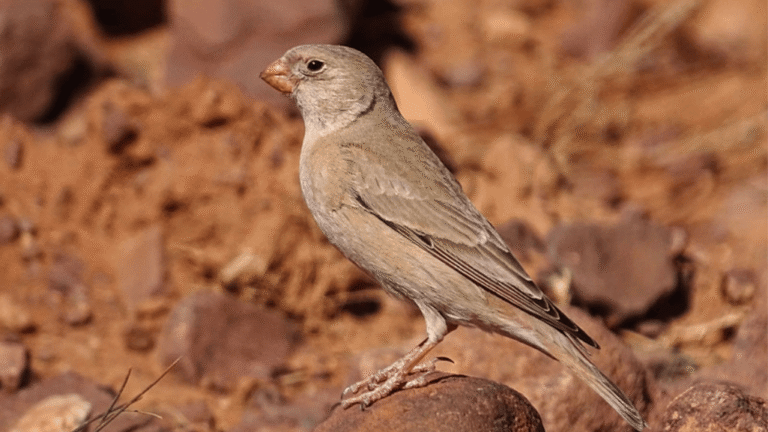
 Finches display a rich variety of plumage and feather textures that range from bold, showy colors to subtle, cryptic tones. Those colors arise from pigments (like carotenoids and melanins) and feather structure that affects light reflection. In many species males are brighter than females — a dimorphism tied to breeding displays and mate choice — while females are often plainer for camouflage at the nest.
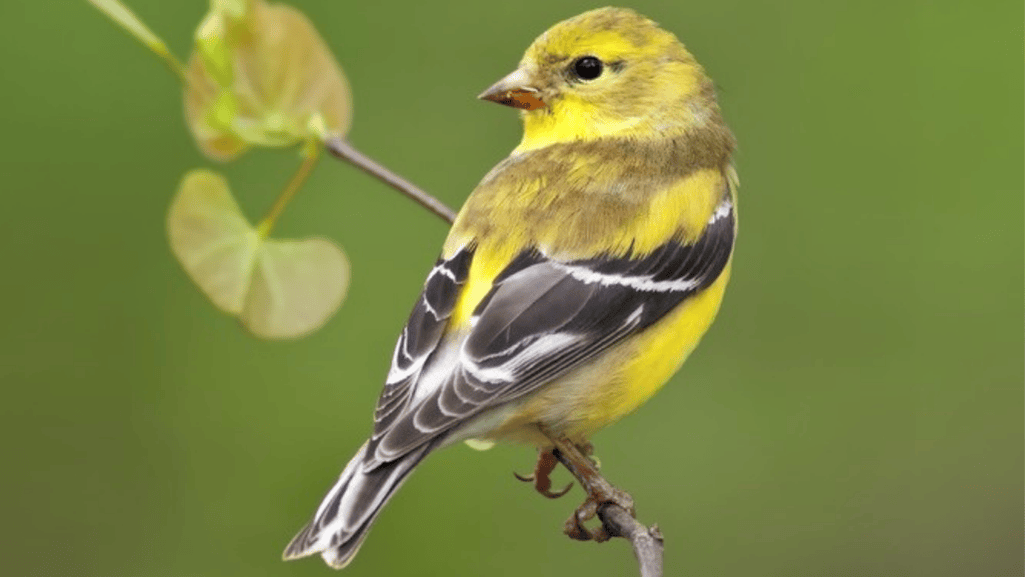
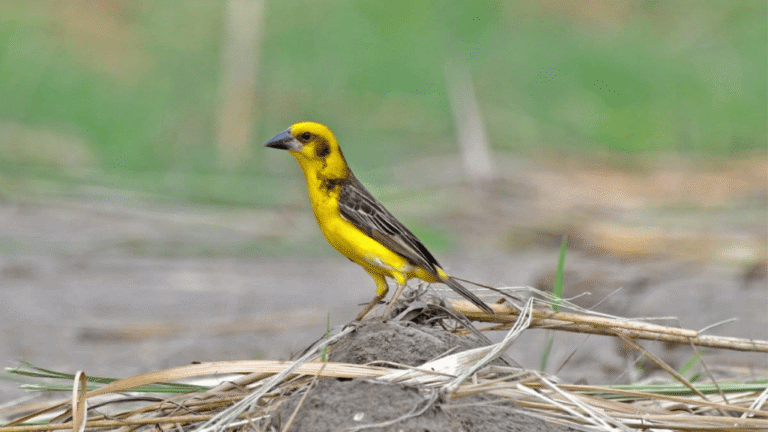
The goldfinch species offers a clear example: male American Goldfinches develop bright yellow breeding plumage with black wings and a black cap, while males of Lesser and Lawrence’s Goldfinches show subtler yellow and olive tones. Importantly, a bird’s diet (carotenoid intake) and age influence how intense those yellow-red pigments appear — so plumage can vary by location and season.
Striking Plumages of Goldfinch Species
Goldfinches are among the most visually striking finches. Male American Goldfinches flash bright yellow during the breeding season, which helps attract mates and signal condition. Outside breeding time their plumage dulls to olive for better camouflage. These seasonal changes illustrate how plumage links to both ecology and behavior.
- House Finches: adult males often show a rosy red face and breast (carotenoids from diet influence intensity); females are browner and streaked.
- Purple Finches: males appear raspberry-red across head and breast; females are streaked brown with white patterns.
- Cassin’s Finches: males carry a pink-red wash on crown and breast; females are streaked and more camouflaged.
Unusual Bills of Crossbills and Grosbeaks
Some finches have highly specialized bills. Crossbills possess crossed mandibles that slide apart to extract seeds from pine cones — a remarkable match between bill form and pine cone structure. Grosbeaks, on the other hand, have large, powerful beaks built to crack very hard seeds and nuts; the Evening Grosbeak is a good example with its heavy, conical bill.
| Finch GroupKey Characteristics | |
| Goldfinches | Bright yellow, black, and white plumage; pointed, conical bill |
| Crossbills | Crossed mandibles; adapted for extracting seeds from conifer cones |
| Grosbeaks | Large, powerful bills; specialized for cracking hard seeds and nuts |
Across the family, feathers and bill shapes provide the functional base for how finches find food and survive in different habitats. Emphasize plumage when identifying males and females in the field, and notice bill form — it often reveals a species’ primary food source.
Finch Behavior and Habits
 Many finch species are social outside the breeding season and form loose to very large flocks. Flocking improves foraging efficiency and reduces predation risk: members share information about seed patches or sunflower feeders and spot danger earlier. The size and timing of flocks vary by species and region — for example, American Goldfinches often aggregate in large groups in fall and winter, while House Finches form smaller, year‑round groups in urban areas.
Vocal communication is central to finch life. Songs and calls coordinate flock movements, announce territories, and attract mates. Some species, like the Purple Finch, are noted for varied, musical songs; a few finches even mimic other birds. Listening for song patterns and call notes is a practical way to identify species in the field.
Feeding behavior centers on seeds — finches have strong, conical beaks built for cracking. Many species also take insects, especially during the breeding season when nestlings need protein. Berries, buds, and nectar supplement diets when seeds are scarce. Observing what a flock feeds on (thistle, sunflower, tree seeds, or insects) helps narrow identification.
| Finch SpeciesFlocking BehaviorForaging Habits | ||
| American Goldfinch | Forms large flocks outside breeding season | Feeds on thistle, milkweed, and sunflower seeds |
| House Finch | Small groups or loose flocks | Eats a variety of seeds (dandelion, sunflower) and fruits |
| Common Redpoll | Large winter flocks | Forages for seeds from birch, alder, and weeds |
To spot finch flocks: watch seed‑rich habitats (fields of thistle, milkweed, or sunflower), track seasonal changes (many species flock in fall/winter), and listen for distinctive calls. Join citizen science projects like Project FeederWatch or eBird to contribute observations — your counts help researchers track long‑term trends in finch populations and flocks.
Understanding finch social behavior and foraging — from how siskins and goldfinches form flocks to how individual species time breeding — gives insight into their ecology and helps inform conservation actions.
Finch Habitats and Distribution
Finches occupy an impressively wide range of habitats worldwide — from boreal forests and temperate woodlands to deserts, grasslands, and island ecosystems. While this article focuses on members of the finch family (Fringillidae), note that some bird groups commonly called “finches” in places like Australia belong to other families (for example, estrildid finches). Here we treat Fringillidae and closely related species when discussing range and ecology.
Finches in Various Ecosystems
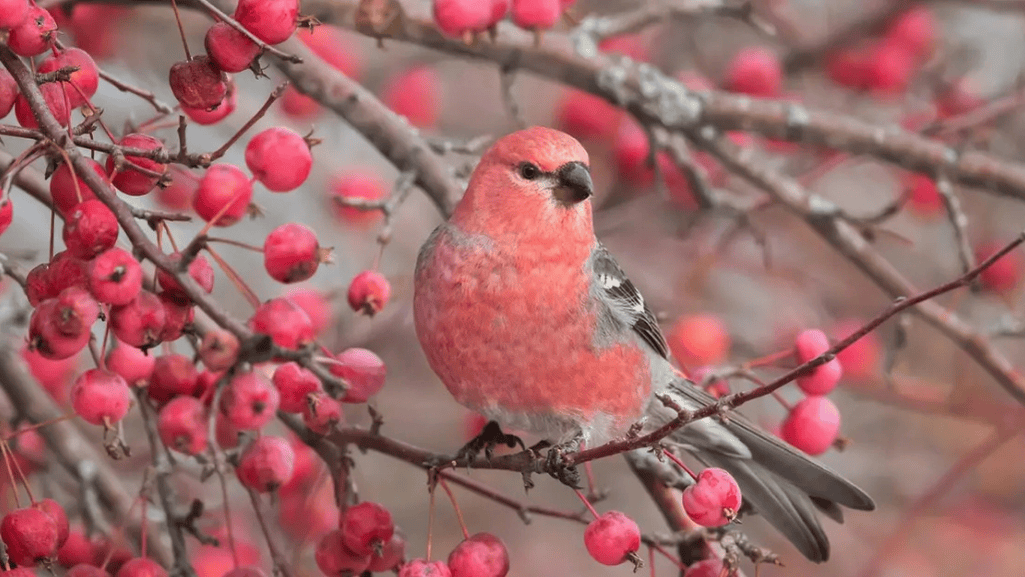
Some finches thrive in cold boreal forests — examples include the Pine Grosbeak and the Common Redpoll, both of which feed on tree seeds and buds through winter. Others, like the Lesser Goldfinch and Lawrence’s Goldfinch, inhabit the dry scrub and woodlands of the American Southwest, foraging on seeds from the local flora. On tropical islands, specialized species (including several Hawaiian endemics) adapt to very restricted ranges and habitats.
Finches occur across rainforests, woodlands, shrublands, alpine zones, and even urban parks and backyards where trees and feeders are available. The ecological breadth of the family underscores why protecting diverse habitat types — from native trees to seed‑producing plants — matters for finch conservation.
Geographical Range of Finch Species
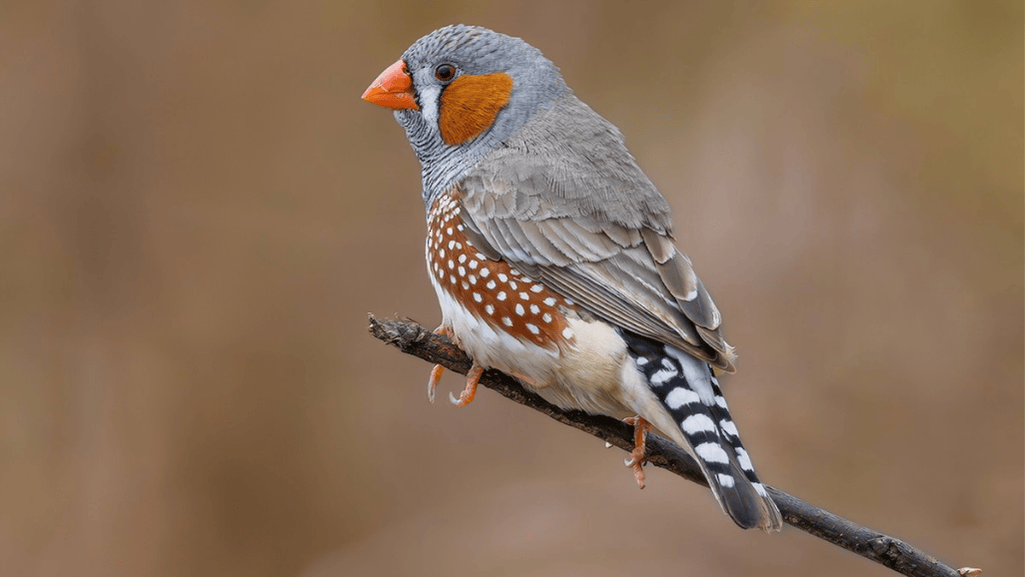
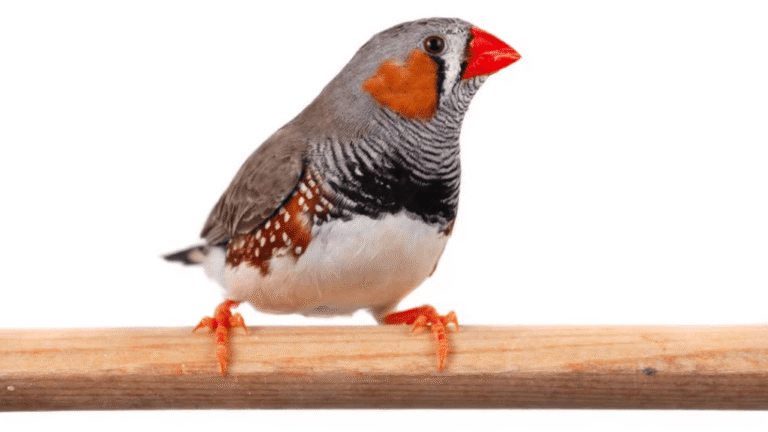
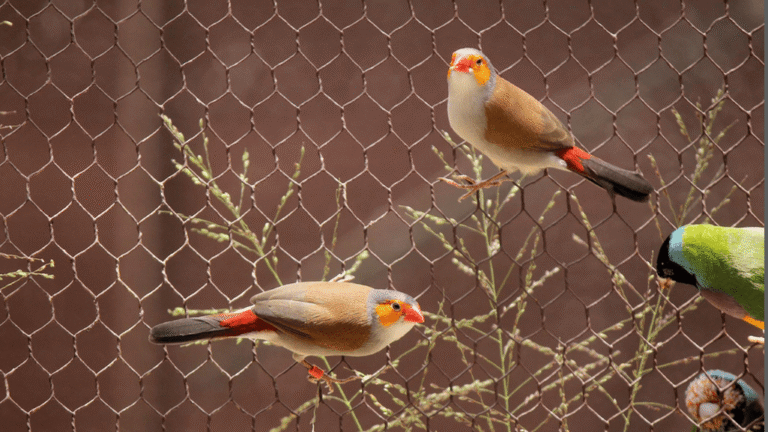
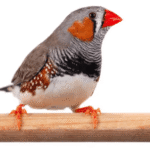
Finches are native across North, Central, and South America, Eurasia, and Africa. Some groups that people call “finches” in Australia (for example, zebra finches) belong to other families (Estrildidae), so references to “finches in Australia” often reflect common names rather than Fringillidae membership. Within North America, the house finch — originally native to the southwest and Mexico — expanded its range eastward after human introductions in the 1940s and is now widespread in urban and suburban areas.
| Finch SpeciesGeographical Range | |
| Zebra Finch | Drier regions of Australia, Timor, and the Lesser Sunda Islands (estrildid finch) |
| House Finch | North America (native to the southwest; now widespread east and west) |
| Atlantic Canary | Canary Islands |
| ‘Akohekohe’ or ‘Crested Honeycreeper’ | Restricted to parts of the Hawaiian Islands (island endemic) |
Because finches occupy such varied ranges and habitats, conservation efforts must be equally diverse — protecting boreal seed sources and pine trees in some regions, restoring native shrubs and seed plants in others, and safeguarding tiny island habitats for endemic species. Understanding a species’ range is the first step to effective conservation.
Finch Feeding Habits and Diet
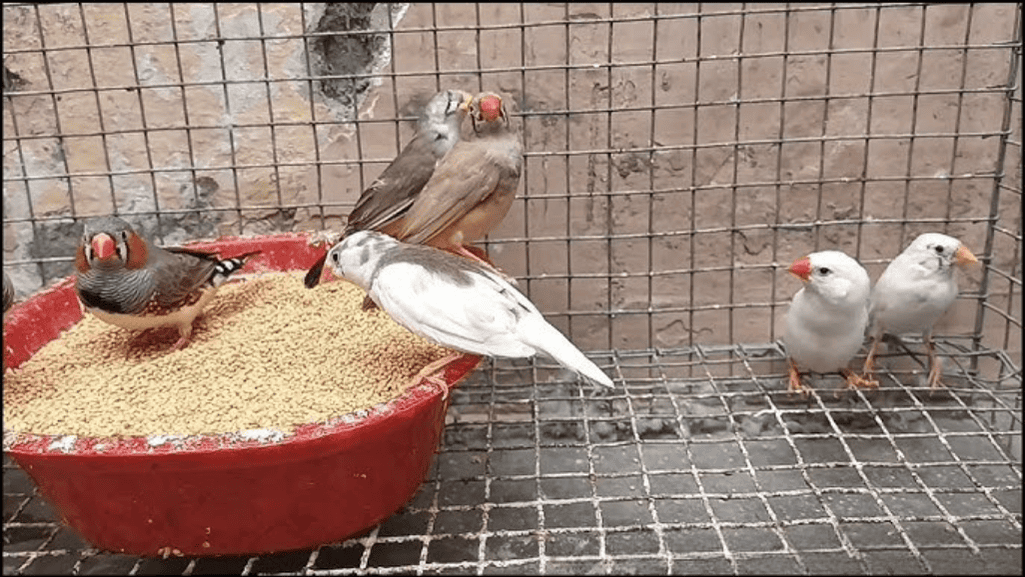 Finches are primarily seed-eaters: their stout, conical bills are a functional base for cracking and processing seeds. Jaw muscles and bill shape work together so many finches can access energy-rich seeds from plants and trees. That said, feeding strategies vary: some species pick seeds directly from plants, others forage on the ground, and a few extract seeds from cones or fruit. Seasonal shifts are common — insects and other protein-rich foods become important during the breeding season to feed growing nestlings.
Seed-eating Adaptations
Bill specializations highlight finches’ evolutionary responses to food bases. Crossbills, for example, have uniquely crossed mandibles that slip between pine cone scales to extract seeds — an adaptation tied closely to pine cone morphology. Grosbeaks, including the Pine Grosbeak, have massive bills capable of crushing hard seeds and nuts. These differences reflect how finch species diverged to exploit particular seed resources.
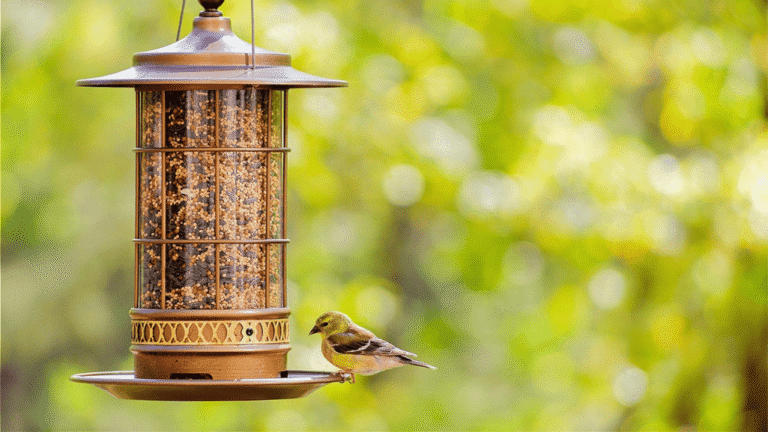
House Finches readily visit backyard feeders and show how diet influences appearance: male coloration (red/orange/yellow hues) depends on dietary carotenoids, so birds feeding on different seeds and fruits may vary in brightness. Observing feeder visitors and the seed types they prefer can help you identify species and assess local food availability.
Other Food Sources for Finches
Aside from seeds, finches consume insects (important during breeding), buds, berries, and occasional nectar. This dietary flexibility helps them survive seasonal variability in food supply and occupy diverse habitats.
| Food TypeProportion in DietImportance | ||
| Seeds | 70-80% | Primary energy source |
| Insects | 10-15% | Protein for growth and reproduction |
| Fruits, Buds, Berries | 5-10% | Supplementary nutrients and moisture |
If you keep finches as pets, make sure to feed them a balanced diet. Give them pellets, fresh fruits and veggies, and some seeds. Watch their weight and talk to a vet if you have any questions.
Finch Nesting and Breeding
Finches build cup-shaped nests from twigs, grasses, moss, and soft lining such as feathers. Breeding timing varies with species and location, but many temperate finches begin nesting in spring and continue into summer. Nest sites range widely — trees and shrubs are common, but some species nest in cacti, on rock ledges, or even on buildings — reflecting the family’s adaptability.
House Finches, for example, are opportunistic nesters: they place nests 5–15 feet above ground in trees, shrubs, cacti, on building ledges, or in hanging baskets. Female finches typically construct the nest over several days to a week, using available materials to create a secure cup for eggs and chicks.
Eggs are usually 2–6 per clutch depending on species (many finches average about four). Incubation is commonly around 12–14 days, shared by one or both parents, and nestlings fledge within roughly 12–19 days. Some species produce multiple broods in a season when conditions allow.
| Breeding AspectDetails | |
| Clutch Size | 2–6 eggs (average ~4) |
| Incubation | ~12–14 days |
| Nestling Period | ~12–19 days until fledging |
Both parents often contribute to feeding chicks; parents switch between foraging and brooding to keep nestlings warm and well fed. After fledging, juveniles remain dependent for days to weeks as they practice flying and foraging.
Male finch plumage can influence breeding success: brighter males (often richer in red or yellow pigments derived from diet) tend to secure territories and mates more readily. Protecting nesting habitat — native trees, shrubs, and seed plants — and reducing disturbances helps finches complete successful breeding cycles.
Darwin’s Finches and Evolution
Charles Darwin’s observations on the Galápagos Islands helped make finches a central example in evolutionary biology. On his return in 1836 and in consultation with ornithologist John Gould, Darwin recognized that the island finches exhibited a remarkable diversity of beaks and habits. Those differences — often tied to distinct food bases on different islands — provided clear evidence for adaptive radiation and natural selection.
Adaptive Radiation of Darwin’s Finches
Darwin’s finches exemplify how a single ancestral lineage can split into multiple species when populations colonize new, isolated habitats. Different islands and available food bases favored different beak shapes — ground‑crushing bills for seed eaters, long probing bills for nectar feeders, or slender insectivorous beaks — producing the diverse finch species the Galápagos are famous for.
Beak Variations and Natural Selection
Beak shape was the key trait Darwin and later researchers studied. Ground finches evolved deep, crushing bills to handle hard seeds, while cactus finches evolved longer bills to access cactus flowers and fruit. Long-term field studies (notably by Peter and Rosemary Grant since the 1970s) documented rapid, measurable shifts in beak size and shape in response to environmental change — direct evidence of natural selection at work.
Genetic studies have since shown that a handful of genomic regions explain much of the variation in beak morphology: one 2015 whole‑genome analysis reported that a small set of genes accounts for a substantial portion of beak size differences. These findings link the ecological observations of Darwin and the Grants with the underlying genetic mechanisms that make rapid evolutionary change possible.
| StudyKey Findings | |
| Grant’s field studies (1976–present) | Documented natural selection on beak size and rapid evolutionary responses to environmental change |
| Whole-genome analyses (2015) | Identified key genomic regions explaining much of beak size variation |
Together, historical observation, long-term field work, and genomic research create a detailed picture of how finches adapt and diversify — and why they remain a powerful model for studying evolution over time.
Finch Conservation and Threats
Many finch species face increasing pressures across their ranges. Major threats include habitat loss and fragmentation, climate change that alters food availability and breeding timing, and invasive species and diseases that reduce survival. For populations to remain healthy, conservation actions must address habitat protection, threat mitigation, and long‑term monitoring.
Declining Finch Populations
Some finch populations have declined significantly in recent decades. For example, monitoring programs such as the North American Breeding Bird Survey report long‑term decreases for several species (trends vary by region and species). Island endemics are particularly vulnerable: the Nihoa Finch, restricted to tiny Hawaiian habitats, is listed as endangered and faces severe risks from habitat loss and stochastic events.
Migratory and resident finches face different pressures: some species experience habitat loss on breeding grounds, others lose wintering habitat or stopover areas. Climate-driven changes can reduce seed crops or shift the timing of insect availability, affecting breeding success across years.
| Finch SpeciesConservation StatusPopulation Trend | ||
| Cassin’s Finch | High conservation concern in parts of range | Decreasing in some regions |
| Nihoa Finch | Endangered / Critically imperiled | Restricted range; highly vulnerable |
Conservation Efforts for Finches
Conservation work focuses on habitat restoration, invasive species control, disease monitoring, and public outreach. Organizations such as the American Bird Conservancy and local wildlife agencies promote actions like planting native seed-bearing plants, reducing window collisions, and keeping cats indoors to reduce predation. For restricted island species, tailored plans (habitat management, predator eradication, and contingency translocations) are often needed.
You can help finches in your neighborhood: plant native trees and seed‑bearing plants, maintain natural shrub layers, use bird‑safe window treatments, and support local conservation groups. Participating in citizen science (e.g., eBird, Project FeederWatch) provides valuable data that helps track finch population trends over the years and informs conservation priorities.
Finches in Art and Culture
Finches — especially goldfinches — have long appeared in art and literature as symbols of beauty, joy, and sometimes spiritual meaning. Their vivid plumage and delicate form made them favored subjects from medieval and Renaissance panels to contemporary artworks, reinforcing cultural ties that can support conservation interest.
Finches in Renaissance Paintings
Art historians note hundreds of Renaissance paintings that include goldfinches as devotional or symbolic elements — a testament to the bird’s visual and cultural resonance across centuries. Iconic works such as Carel Fabritius’s “The Goldfinch” (1654) helped cement the bird’s place in European art history; the painting now hangs in the Mauritshuis in The Hague.
Finches also appear in Asian art traditions: for example, handscrolls such as “Finches and Bamboo” attributed to Emperor Huizong illustrate the bird’s global artistic role. These cultural connections — across centuries and continents — help explain why finches occupy an outsized place in human creativity and symbolism.
Because finches figure in art, literature, and religious imagery across multiple centuries, that cultural value can be a powerful tool for conservation messaging — connecting people to the idea that protecting finches also preserves our shared cultural heritage.
Studying and Observing Finches
Finches appeal to backyard birdwatchers and to professional ornithologists because they combine striking plumage, interesting songs, and clear links between form and function. With a pair of binoculars and a good field guide you can identify many species by plumage, bill shape, song, and foraging behavior. Observing finches in local parks, woodlands, or at feeders reveals how flocks form, how males and females differ during breeding, and how species use different food bases across seasons.
Citizen science projects such as eBird and Project FeederWatch are excellent ways for amateurs to contribute useful data on finch sightings, seasonal movements, and flock sizes. Your local observations feed into continental datasets that track population changes across years and help prioritize conservation actions.
Researchers combine field observation with genetic tools to study evolution, adaptation, and population health. Long-term projects — most famously Peter and Rosemary Grant’s decades of work on Darwin’s finches — show how environmental fluctuations can drive natural selection on traits such as beak size over relatively short ecological timescales.
| StudyKey Findings | |
| Grant’s study of Galápagos finches (1976-present) | Provided direct evidence that natural selection alters beak size and shape in response to environmental change |
| Genetic studies (2015) | Identified genomic regions explaining substantial beak shape variation, linking phenotype to genotype |
Conclusion
Finches — roughly 230 species in the family Fringillidae — offer a powerful window into evolution, ecology, and the importance of habitat. From backyard goldfinches feeding at your feeder to island endemics with tiny ranges, these birds connect science, culture, and conservation. By observing, recording, and protecting finches and their habitats, we support both biodiversity and the long tradition of human fascination with these remarkable birds.
FAQ
How many species of finches are there?
How can I help finches where I live?


 English