Skip to content


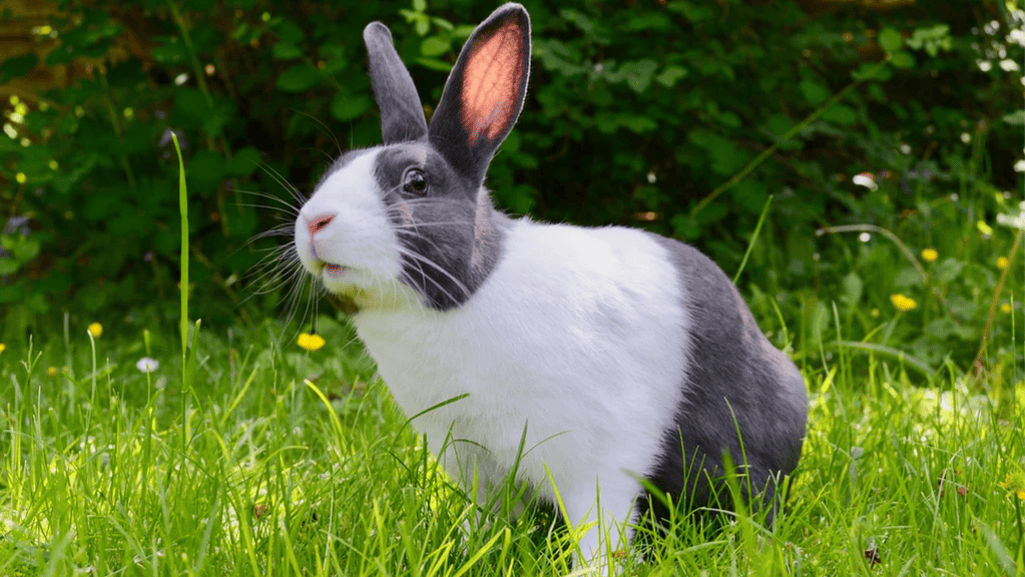
Recognizable for their crisp white blaze and saddle, this compact Dutch Rabbits breed ranks among the most popular pet choices in the United States.
Although the name points to a pattern rather than origin, these animals were standardized in England and accepted by the American Rabbit Breeders Association in 1910.
Size and life expectations are clear: adults usually weigh 3.5–5.5 pounds and live about 5–10 years when well cared for.
The temperaments are friendly and intelligent. They respond well to gentle handling and basic training like fetch and simple agility.
This guide gives new owners practical steps on housing, species-appropriate diet, dental and GI prevention, grooming, and enrichment that support a long, healthy life.
Expectations: give space to move, set up sanitary routines, and respect prey instincts when handling to build trust.
Key Takeaways
- Distinctive blaze and saddle make this one of the most recognizable rabbit breeds.
- Adults weigh about 3.5–5.5 pounds and typically live 5–10 years with proper care.
- Ideal for beginner owners seeking an easy care, trainable pet.
- Guide covers history, housing, diet, grooming, and basic health care.
- Preventive dental and GI routines plus safe handling boost quality of life.
Getting to Know the Breed: Origins, Markings, and What Makes Them Adorable
This small, striking breed traces its roots to medieval Belgium and later took shape in English showrooms.
Origins: Descended from the Petit Brabancon, imports in the 1830s helped English rabbit breeders refine a compact, two-tone animal. The type reached the United States in the early 1900s and gained formal recognition by 1910.
Markings and build: The hallmark is a crisp white facial blaze, a white chest, and a white saddle across the shoulders. The hindquarters, ears, and eye circles show a contrasting color—common varieties include black, blue, chocolate, gray, chinchilla, steel, and tortoise.
- White is always the base; clear, symmetrical lines define a classic pattern.
- Short, straight ears and a compact, muscular body make them easy to handle.
- Soft fur is low-maintenance compared with longer-haired breeds.
“Their neat markings and steady temperament make them favorites in homes and education programs.”
Dutch Rabbits Size, Lifespan, and Personality at a Glance
Small in size but big in personality, this compact pet fits well in homes and classrooms. Expect a sturdy, balanced body with erect ears that make handling easy for most owners.
Compact build and expected weight

Most adults weigh between 3.5 and 5.5 pounds. That size makes them an excellent choice for owners who want a manageable, interactive companion.
How many years they typically live
On average these pets live about 5–10 years. Many sources report 6–9 years commonly, and with top-notch care some reach their early teens.
Longevity improves with steady hay, routine dental checks, and calm housing that reduces stress.
Temperament and suitability for families
These animals are friendly, curious, and quick learners. With patient handling they bond easily, learn simple cues, and enjoy short training games.
Supervise children and teach gentle, low-to-the-ground interactions to avoid startling a prey species.
- Bright eyes and clean ears
- Even weight and steady appetite
- Smooth, active movement
“A well-socialized pet rewards daily time with trust and playful moments.”
For breed comparisons and choosing the right companion, see related rabbit breeds.
Housing and Habitat Setup for a Happy Pet Rabbit
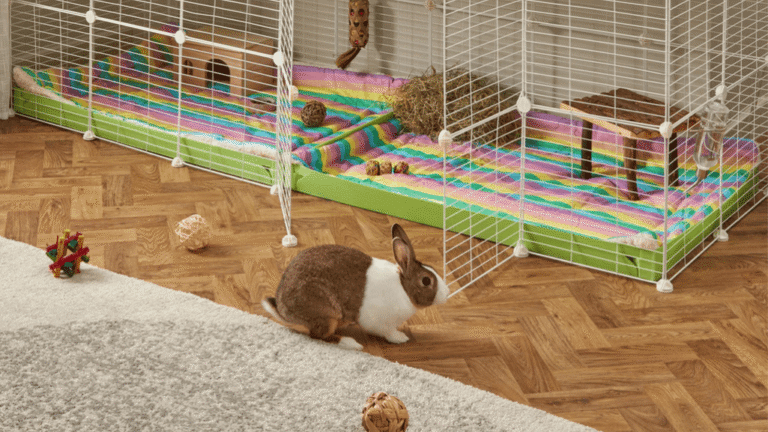
A well-planned enclosure sets the stage for a happy, active rabbit. Start with a roomy cage or x-pen so your pet has space to rest and stretch. Most sources list a minimum of 24 by 24 inches, with 24 by 18 inches as an absolute minimum; larger is better when you can provide daily supervised exercise time.
Cage and hutch options
Choose sturdy options with a solid-bottom resting area. All-wire floors can harm feet, so use solid platforms or line the bottom with rabbit-safe bedding or hay.
Indoor vs. outdoor living
Make sure outdoor hutches are predator-proof, raised, and sheltered from wind and rain. Bring pets inside when temperatures drop below freezing or climb above 80 F.

Enrichment and litter routines
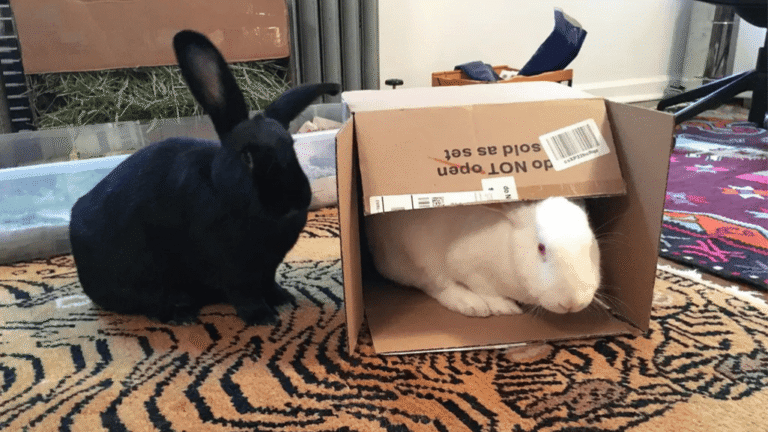
Rabbits need hideaways and safe toys to chew. Offer paper bags, cardboard tubes, plastic baby toys, and untreated wooden blocks — applewood is safe; avoid cherry wood.
Include a medium litter box in the corner your rabbit prefers. Spot-clean soiled bedding daily, refresh water bowls or bottles, and perform a full cleaning weekly.
“A clean, enriched habitat reduces stress and supports long-term health.”
Handling and Training: Building Trust with Your Pet Rabbit
To help your companion relax, approach slowly, stay low to the ground, and let curiosity lead interactions. As prey animals, many rabbits startle at sudden moves, so calm actions matter.
Prey-animal mindset for calm interactions
Make sure children sit or crouch when meeting a rabbit. Teach them to be quiet and patient, and to let the animal come first.
Rabbits love gentle strokes near the ground and will often nudge to show trust.
Safe lifting and support
Only pick up a rabbit when needed. Support the chest and the hindquarters, hold close to your body, and never lift by the ears or scruff.
Simple training: litter, recall, and play
Use short sessions with a clear marker and a tiny, healthy treat to shape behavior. Start litter training by placing a paper-based litter box where your rabbit already eliminates, and praise success.
Teach recall with a soft cue and rewards. Introduce low agility obstacles and rotating toys to keep training fun and varied.
“Consistent, positive sessions build confidence and turn training into bonding time.”
- Approach at their level and let them initiate contact.
- Limit picking up; always support the full body.
- Offer varied toys and foraging options to reduce boredom.
- Keep sessions short and track progress over time.
Diet and Nutrition: Hay, Greens, Pellets, and Treats
Good nutrition is the foundation of a long, active life for small pet rabbits. A clear feeding plan keeps digestion steady and helps wear teeth naturally. Below are practical servings and rules to follow.

Hay first
Offer unlimited grass hay; it fuels gut motility and provides hay chew for healthy teeth. Use timothy hay for most adults. Reserve alfalfa for young kits and lactating does because it has more protein and calcium.
Daily greens and veg
Feed about 1 cup of leafy greens per 2 pounds of body weight each day. Rotate safe choices like basil, cilantro, romaine, and arugula. High-calcium greens should be limited.
Add non-starchy vegetables at roughly 1 tablespoon per 2 pounds daily—bell pepper, Brussels sprouts, or zucchini work well.
Pellets and water
Give a measured serving of fortified pellets: about 1/4 cup per 4–5 pounds of body weight daily. Always supply fresh water. Some rabbits prefer a heavy bowl; others use a sipper bottle. Offer both at first until you learn your pet’s preference.
Treats, fruit, and carbs
Keep treats tiny and rare. Limit fruit to 1–2 tablespoons per 5 pounds once or twice weekly. Treat carrots like candy because of their carbohydrates—serve slivers sparingly.
- Center the diet on unlimited grass hay to support gut and teeth health.
- Measure pellets and portion greens by pounds to avoid overfeeding.
- Fresh water must be available 24/7; bowls and bottles are both fine.
“Consistent portions and plenty of hay prevent dental and GI problems.”
Health and Grooming: Common Issues, Prevention, and Routine Care
Good routine health checks catch small problems before they become emergencies. Regular inspection helps owners spot trouble with teeth, digestion, or skin early.

Dental health matters because teeth grow continuously—about 3–4 inches per year. Provide constant hay chew and safe wooden toys to promote even wear. Watch for drooling, pawing at the mouth, small stools, or facial swelling and seek veterinary care.
Respiratory and GI risks: tooth root infections can spread and cause URIs with sneezing, nasal discharge, or labored breathing. GI stasis is urgent—no appetite, no feces, or lethargy require immediate treatment like fluids, motility drugs, and assisted feeding.
Parasites and infections such as Cheyletiella cause itch and hair loss; thorough cleaning and vet meds are needed. E. cuniculi spreads in urine-soiled bedding and can cause head tilt, tremors, or paralysis; early therapy improves outcomes.
Routine grooming keeps an animal comfortable: brush weekly (more during sheds), trim nails every 1–2 months, check ears, avoid full baths, keep fresh water and measured pellets, and limit treats.
“Preventive care and quick action protect health and extend happy years.”
Conclusion
When given the right space, pet owners see how a calm, intelligent dutch rabbit becomes a beloved companion.
, In short: these small pets combine compact size, classic two-tone color, and steady temperament that fit committed households.
Core care is simple. Make sure your setup includes a roomy cage or x-pen with a solid-bottom rest area, soft bedding, hides, and daily supervised exercise.
Keep the diet hay-first: unlimited timothy hay, measured pellets, varied leafy greens, and very small portions of treats or fruit.
Preventive health keeps them thriving: weekly grooming, nail trims, ear checks, and clean housing. Spay females at 5–6 months and seek prompt vet care for dental, respiratory, or GI signs.
Most adults weigh about 3.5–5.5 pounds and do well with enclosures starting near 24 inches. With steady husbandry and positive handling, dutch rabbits can enjoy many happy years as affectionate pets.
FAQ
What are the origins and distinctive markings of this breed?
This compact breed traces roots to the Netherlands and England before settling in the U.S. Over generations, breeders refined its signature blaze on the face, saddle across the back, and clear two-tone pattern. Those markings and the tidy body shape make the breed instantly recognizable and very popular as a pet.
How big do these rabbits get and what is their typical adult weight?
Adults have a compact body with erect ears and usually weigh between 4 and 6 pounds. Their size makes them a good fit for many homes, including apartments, as long as they get daily exercise outside their enclosure.
What is the average lifespan and what are exceptional cases like?
Average lifespan is about 7 to 10 years with good care. Some individuals live longer—up to 12 years—when provided a balanced diet, safe housing, regular vet checks, and enrichment that reduces stress and promotes activity.
What sort of temperament can owners expect?
These rabbits are known for being friendly, curious, and intelligent. They often bond well with families and respond positively to gentle handling and simple training. Early socialization makes them easier for beginners and children to interact with safely.
What housing and enclosure size do they need?
Choose a solid-bottom enclosure with enough room to hop and stretch—minimum recommended interior space is about 24 by 36 inches for resting, plus a daily exercise area. Use safe bedding like paper-based or aspen; avoid cedar and pine. Include hideaways, chew toys, and a stable litter box.
Can they live indoors or outdoors, and what temperature is safe?
Indoor housing is safest and protects against predators, parasites, and temperature extremes. If kept outdoors, provide sturdy shelter, predator-proofing, and shade. Ideal temperature range is roughly 60–70°F; avoid prolonged heat and drafts.
What enrichment and chew options help protect their teeth?
Offer unlimited hay, untreated wood chews, cardboard, and safe woven toys. Chewing helps wear down continuously growing teeth and prevents dental issues. Rotate toys to prevent boredom and supervise new items for safety.
How do I litter train and how often should I clean the box?
Most pick a corner for elimination. Place a litter box with paper-based litter and a bit of hay to encourage use. Scoop daily and perform a full clean weekly, disinfecting with a rabbit-safe cleaner to keep odors low and reduce infection risk.
How should children and adults handle these prey animals?
Approach calmly and let the rabbit come to you. Support the whole body when lifting—one hand under the chest and one under the hindquarters—and never pick up by the ears. Teach children to sit on the floor and use gentle strokes to avoid injury and stress.
What basic training can I teach my pet?
Start with litter training, then reward-based teaching for simple cues like coming when called or hopping onto a low platform. Use small healthy treats and short sessions. Agility basics and tricks build trust and mental stimulation.
What should their diet include and which hay is best?
Hay should make up the bulk of the diet—timothy or other grass hay for adults, alfalfa for kits and lactating does. Fresh water should always be available. Provide a measured amount of fortified pellets based on body weight, plus daily leafy greens.
How many pellets and what about bowls versus bottles?
Feed adult-formula pellets at roughly 1/8 to 1/4 cup per 5 pounds of body weight per day, adjusting for activity and body condition. Bowls are typically better than bottles because they allow natural drinking posture and reduce bacterial buildup.
Are carrots and fruit safe as treats and how often can I give them?
Carrots and sweet fruit are high in sugar and should be treats only. Offer small portions a few times per week—think a few thin carrot slices or a teaspoon of fruit—rather than daily, to prevent weight gain and GI issues.
What are common dental problems and what signs indicate trouble?
Continuous tooth growth can cause malocclusion and sharp spurs. Signs include reduced appetite, drooling, weight loss, rough fur, and reluctance to eat hay. Regular hay access and veterinary dental checks help prevent and treat issues.
How can I spot respiratory infections or URI symptoms?
Watch for nasal discharge, sneezing, noisy breathing, reduced appetite, or lethargy. Respiratory issues often coincide with dental disease. Seek veterinary care promptly since infections can worsen quickly.
What is GI stasis and what are early warning signs?
GI stasis is a slowdown of gut motility that can be life-threatening. Early signs include smaller or fewer droppings, decreased appetite, bloating, and listlessness. Immediate veterinary attention is essential; encourage hay and hydration while en route.
How do parasites and E. cuniculi affect rabbits and how can I prevent them?
External parasites and the protozoan Encephalitozoon cuniculi can cause skin, ear, or neurological problems. Maintain clean bedding, quarantine new animals, and use preventive parasite control as advised by a rabbit-savvy vet.
Why should I consider spaying or neutering?
Spaying and neutering reduce unwanted behaviors, decrease territorial marking, and prevent reproductive cancers—especially uterine cancer in unspayed females. Talk to your vet about the best timing and risks.
What grooming and routine care do they need?
Brush regularly, more often during shedding seasons, and trim nails every 4–6 weeks. Check ears for wax or mites and avoid bathing unless recommended by a vet. Regular grooming reduces hair ingestion and helps prevent hairballs.