
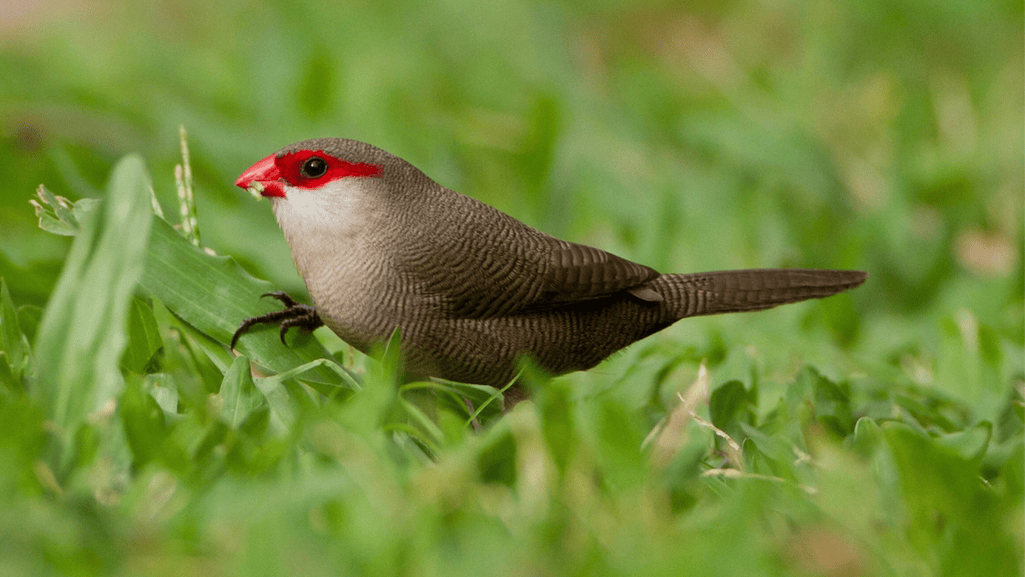

Welcome to the world of the Common Waxbill Finch — a small, sociable waxbill (Estrilda astrild) often seen in grassy habitats and small flocks. Look for its streaked body, fine bill, and the characteristic red face/bill combo that helps separate this species from other finches.
The Common Waxbill (Estrilda astrild) is native to Africa and belongs to the finch family. It commonly inhabits grasslands, savannas, and open woodlands, where it feeds mainly on grass and weed seeds and supplements its diet with insects — especially during the breeding season.
Key Takeaways:
- Common Waxbills are small, social seed-eating birds often observed in loose flocks.
- Estrilda astrild stands out for its red bill/face and finely streaked brown plumage — useful ID markers for birdwatchers.
- Preferred habitats include grasslands, savannas, and open woodlands with abundant grasses and seed heads.
- Diet is mainly grass and weed seeds; insects are taken especially when feeding chicks.
- Read on for quick ID tips, where to find common waxbills, and practical birdwatching advice.
Introduction to Common Waxbill
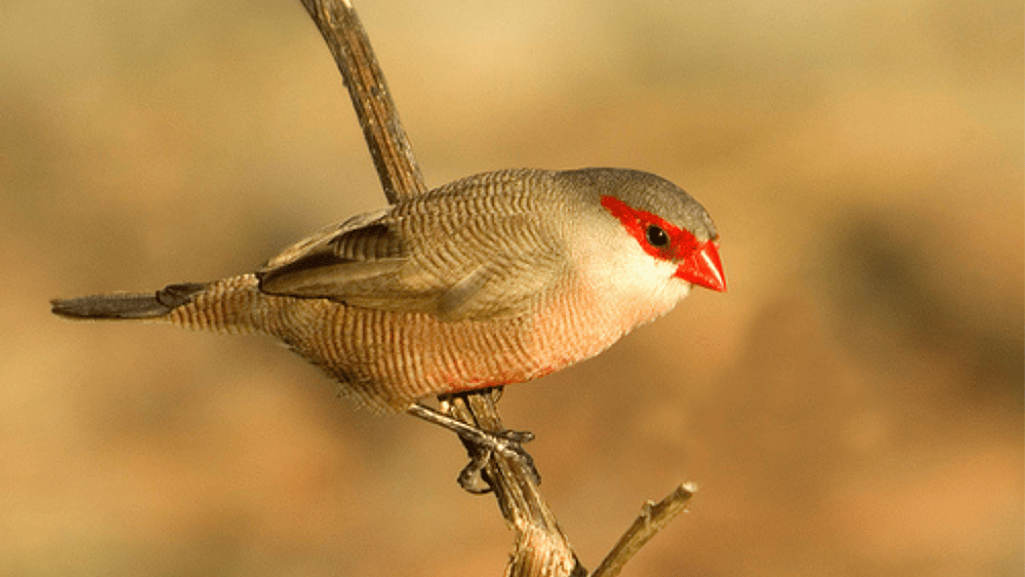 The Common Waxbill (Estrilda astrild) is a small estrildid finch native to Africa. Recognizable by its fine, conical bill and streaked brown plumage with a reddish facial area, this species is adapted to life among grasses and low shrubs. Common waxbills feed primarily on small seeds but will take insects and nectar, especially during the breeding season when chicks require extra protein.
Seed-Eating Songbirds
As a finch, the Common Waxbill has a conical bill well-suited to husking small grass and weed seeds. You will often see them gleaning seed heads at grass tips or feeding on the ground beneath grasses. Their vocalizations are a series of soft, high-pitched calls rather than long elaborate songs; learning these calls helps locate small flocks in the field.
Finch Breeding Habits
Common Waxbills typically form monogamous pairs during the breeding season. Males perform courtship displays, including song and posturing, to attract females. After pairing, both male and female help build a domed nest (often in grasses or shrubs), incubate the eggs, and feed the chicks — a cooperative parental system that improves chick survival.
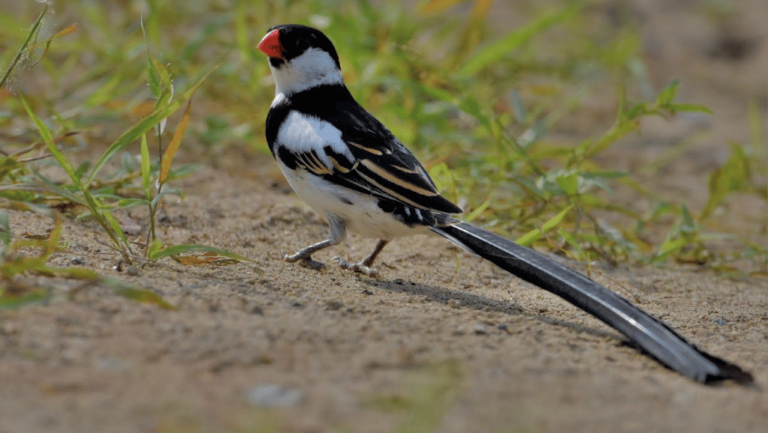
Ornithologists study these behaviors to understand breeding timing, clutch size and parental investment. In some areas brood parasitism by species like the pin-tailed whydah occurs — a reminder that nests and eggs can attract other opportunistic birds.
Comparison of Finch Breeding Habits
| Finch SpeciesBreeding Behavior | |
| Common Waxbill | Monogamous pairs; both parents contribute to nest-building and chick-rearing |
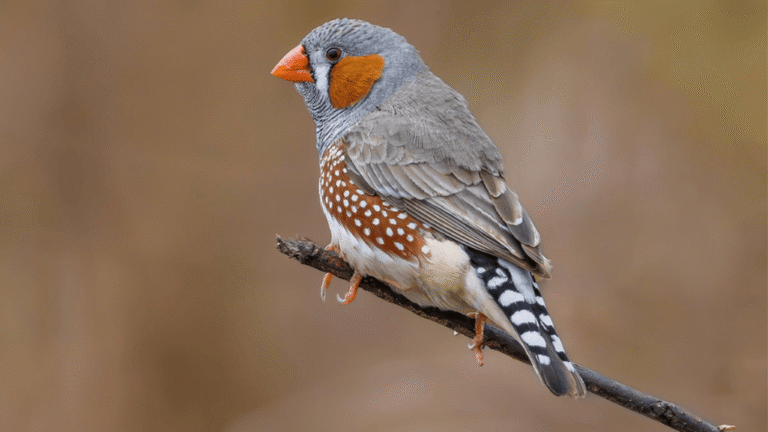
| Zebra Finch | Polygamous; males court multiple females and may have multiple nests |
| Gouldian Finch | Communal breeding in large colonies; multiple males and females share parenting duties |
Habitat and Distribution
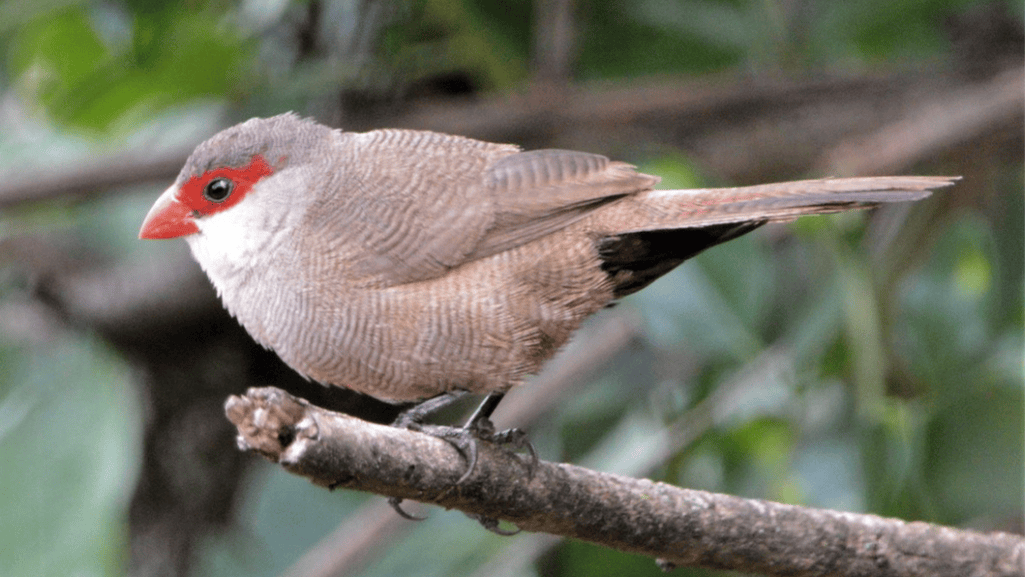 The Common Waxbill is widespread across much of sub-Saharan Africa. You will commonly encounter this species in southern Africa (including South Africa), eastern regions such as Kenya, and parts of Zimbabwe. These birds favor habitats with abundant grasses and low shrubs — grasslands, savannas, reed edges and open woodlands where seed heads and shelter are plentiful. Access to nearby water (pools, wetlands or garden birdbaths) often increases local densities, as waxbills drink frequently.
Although common waxbills are not currently listed as globally threatened (see authoritative sources such as IUCN for the latest status), local populations can decline where habitats are lost or fragmented. Conservation and habitat management help maintain healthy populations of these attractive waxbills and other seed-eating birds.
Conservation groups and local initiatives play a valuable role by protecting grassland patches, restoring riparian vegetation and promoting bird-friendly practices. These efforts benefit common waxbills and the wider community of finches and passerine birds that depend on grassy ecosystems.
Distribution of Common Waxbill in Africa
| CountryRegion / Typical Habitat | |
| South Africa | Grasslands, savannas, reed margins and open woodlands — often near water |
| Kenya | Grassy areas, savanna edges and shrublands |
| Zimbabwe | Open woodlands, grassland patches and wetland fringes |
Beyond mainland Africa, small introduced or established populations of common waxbills occur on some islands and in urban areas where suitable habitat and food are available — for example, historical records note occurrences on certain Atlantic islands (check regional checklists for current status, including any records from Cape Verde). Protecting grassy habitat patches, monitoring local populations and reducing fragmentation are practical steps to support these waxbills and preserve avian biodiversity across regions.
Behavior and Diet
Common Waxbills (a member of the Estrild family) are highly social waxbill finches that typically occur in small to moderate flocks. Their calls are soft, high-pitched chips rather than long warbling songs; these vocalizations are important for maintaining contact within flocks and during courtship. Observers often notice flocks moving together through grasses and low shrubs as they search for seed heads.
Diet is dominated by small seeds — especially grass and weed seeds — which their short, conical bill is well adapted to husking. They forage both on the ground and among grass seed heads, often feeding in the early morning and late afternoon. Insects and occasional nectar supplement the seed diet, and insect intake increases when feeding chicks during the breeding season to provide protein for growing young.
Typical foraging behavior
- Forages in small flocks, often moving from seed patch to seed patch.
- Feeds on grass seeds at tips of stems and on the ground beneath grasses.
- Active mainly at dawn and dusk, with short bursts of feeding during the day.
Partial or seasonal movements have been reported in some populations; these movements are usually linked to rainfall patterns and the timing of grass seed production rather than long-distance migration. In dry years waxbills may shift locally to find better seed resources and water.
Behavioral traits and quick notes
- Highly social — commonly seen in small flocks that communicate with soft calls.
- Diet focused on seeds but flexible — insects become important when feeding chicks.
- Beak (bill) and tail shape aid identification: short conical bill and relatively long tail for a small finch.
- Males sing and display during the breeding season; both parents feed and care for chicks.
In summary, the Common Waxbill’s combination of social behavior, seed-focused diet and flexible foraging strategy make it a resilient member of grassy ecosystems. Observing their flocks, calls and feeding habits offers valuable insight into the ecology of estrildid finches and the grassland habitats they inhabit.
Birdwatching Tips
If you want to find and enjoy Common Waxbills in the field, follow these practical, proven tips to improve your birdwatching finches experience and increase your chances of positive sightings.
Where to look
- Scan grasslands, field margins and open woodland edges where grasses and seed heads are plentiful.
- Check reedbeds and wetland fringes for small flocks — proximity to water often concentrates common waxbills.
- Look at eye level and near the ground: waxbills feed at grass tips and on the ground beneath seed-bearing plants.
What to bring
- Good binoculars and a field guide focused on finches to confirm ID (look for the red bill/face and streaked plumage).
- Notebook or app (eBird or local check-list birds) to record sightings and count flocks.
Listening and identification
Common Waxbills give soft, high-pitched calls rather than long melodic songs. If you learn their typical chip notes, you can often locate a flock by sound before seeing it. When you spot a small group, watch for the red bill and face, streaked brown body, and relatively long tail to confirm the ID.
Timing and patience
Plan excursions for early morning and late afternoon when waxbills are most actively foraging. Move slowly, keep noise to a minimum, and observe from cover or a distance so flocks continue feeding rather than flushing away. Even small actions — like staying downwind and avoiding sudden movements — significantly increase your observation success.
Quick spotting example: at sunrise, scan the tops of grass seed heads and the ground beneath them — small flocks of common waxbills often hop between seed heads, pausing briefly to feed. Look and listen for soft, high chips and the flash of a reddish bill.
Record your sightings in a checklist or citizen-science app (such as eBird) to contribute data on local populations and seasonal movements. These simple steps help both your enjoyment and broader conservation knowledge of common waxbills and other grassland birds.
Waxbills Around the World
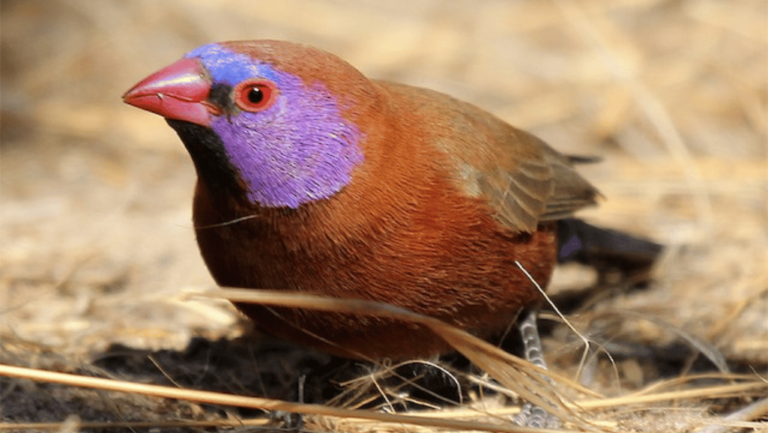
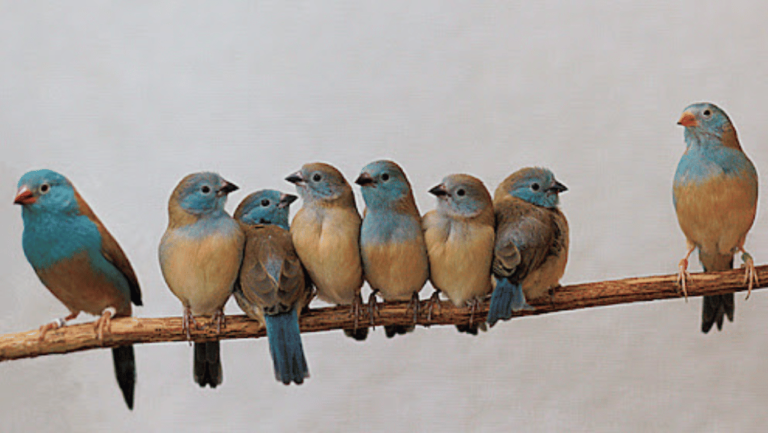
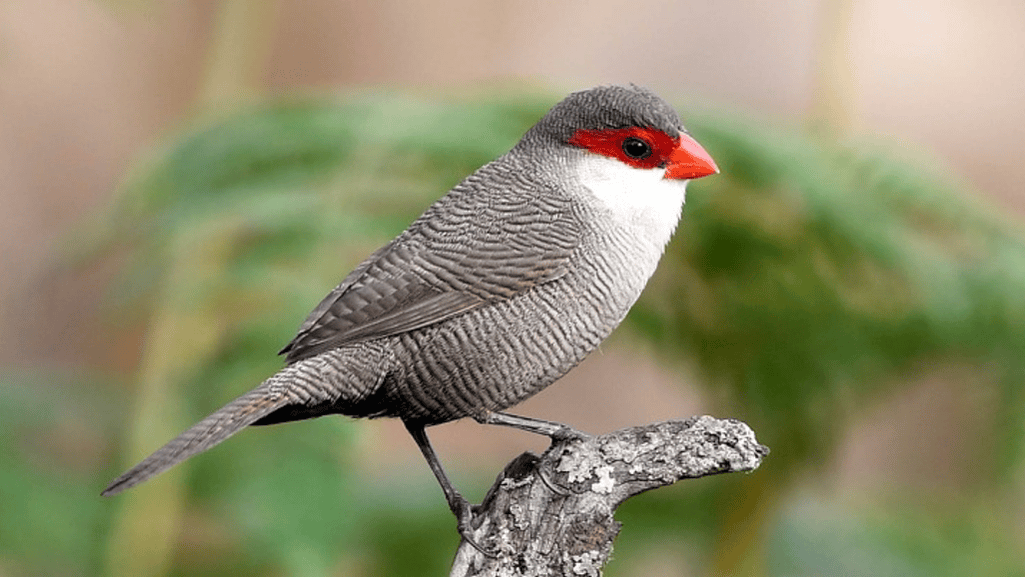 Although the Common Waxbill is native to Africa, the wider group of waxbills (members of the genus and related genera within the estrildid finches) is represented in many parts of the world. Different waxbill species and subspecies have evolved distinct plumage, bill and behavioral traits that suit their local habitats.
Here are a few notable waxbills and quick ID notes to illustrate that diversity:
- Black-rumped Waxbill (e.g., Estrilda troglodytes) — small, with a prominent dark rump patch; ranges in parts of Africa and introduced pockets in other regions.
- Red-faced Waxbill (Erythrura spp. or common name variants) — notable for red facial markings; occurs in South American contexts for similar common names (check scientific name to confirm species).
- Local subspecies and populations of waxbills show variation in plumage tone and bill coloration — study regional check-lists and museum records for specifics.
Studying waxbills around the world — using both common and scientific names — helps avoid confusion where different species share similar common names. For accurate identification and range information, consult regional check-lists and ornithological resources that record island and introduced populations, as these instances can affect local waxbill assemblages and overall birds world biodiversity.
Conservation Efforts
Although the Common Waxbill is widespread, habitat loss, fragmentation and local pressures can reduce populations in some areas. Conservation efforts that protect grasslands, restore riparian vegetation and reduce habitat fragmentation directly benefit common waxbills and the broader community of finches and passerine birds that depend on grassy and shrub habitats.
Many organizations work at local and regional scales to research finch biology, protect habitat and engage communities. Below are examples of the types of groups active in finch conservation — check the listed websites for current programs, ways to volunteer, and verified links to donate or join monitoring schemes.
Finch Conservation Organizations
| OrganizationFocusWebsite | ||
| Finch Conservation Society | Research, education and advocacy focused on finch species and grassland habitats | www.finchconservation.org |
| Avian Preservation Society | Conservation and habitat protection for birds worldwide | www.avianpreservation.org |
| Birds Matter Foundation | Habitat protection, community engagement and monitoring programs | www.birdsmatter.org |
How Can You Help?
- Support conservation groups (see links above) — donations and memberships fund research and habitat projects.
- Volunteer for local monitoring (join bird counts) and habitat restoration efforts to help maintain grassland patches that waxbills need.
- Contribute records to check-list birds databases and citizen science platforms — your sightings of flocks, nests, eggs and breeding behaviour help track populations and seasonal changes.
- Create bird-friendly spaces: plant native grasses and shrubs, provide clean water, and avoid pesticides that reduce insect food for chicks during the breeding season.
Bird Sanctuaries and Reserves
Protected bird sanctuaries and reserves are vital for conserving the grassy and wetland habitats that support Common Waxbills and many other finches. These areas provide safe places to breed, feed and rest — and they offer excellent opportunities for visitors to observe waxbills and learn about local birds and ecosystems.
Rondevlei Bird Sanctuary
Located in Cape Town, Rondevlei protects a mosaic of reed beds, open water and islands that attract both resident and migratory species. Common Waxbills use the sanctuary’s reed margins and nearby grassy patches for feeding and nesting, especially where seed-producing grasses and shrubs are abundant.
- Habitats present: reedbeds, shallow wetlands, grassy margins.
- Best time to visit: early morning and late afternoon when flocks are active.
- What you may see: small flocks feeding on grass seed heads, pairs nesting in low vegetation.
Strandfontein Bird Sanctuary
Strandfontein, on False Bay, encompasses extensive wetlands and saltmarsh areas that support rich birdlife. The sanctuary’s lookout points and hides make it easy to scan reed edges and grassland remnants where common waxbills may gather, particularly during the local breeding season.
- Habitats present: wetlands, saltmarsh, grassland patches and man-made pans.
- Facilities: bird hides and lookout points useful for quiet observation.
- What to expect: varied waterbirds and small passerines; scan grassy edges for feeding waxbills.
Use hides and lookout points for long, quiet watches at dawn or dusk. Walk slowly along paths, scan grass seed heads and ground beneath grasses, and listen for soft calls — these practical techniques increase your chances of seeing common waxbills without disturbing them.
By supporting and valuing sanctuaries — whether visiting responsibly, volunteering, or advocating for protection — you help maintain the grass, reed and wetland habitats that sustain common waxbills and the wider birds world. For current visitor information, entry points and permitted activities, check each sanctuary’s official website or local conservation authority.
Conclusion
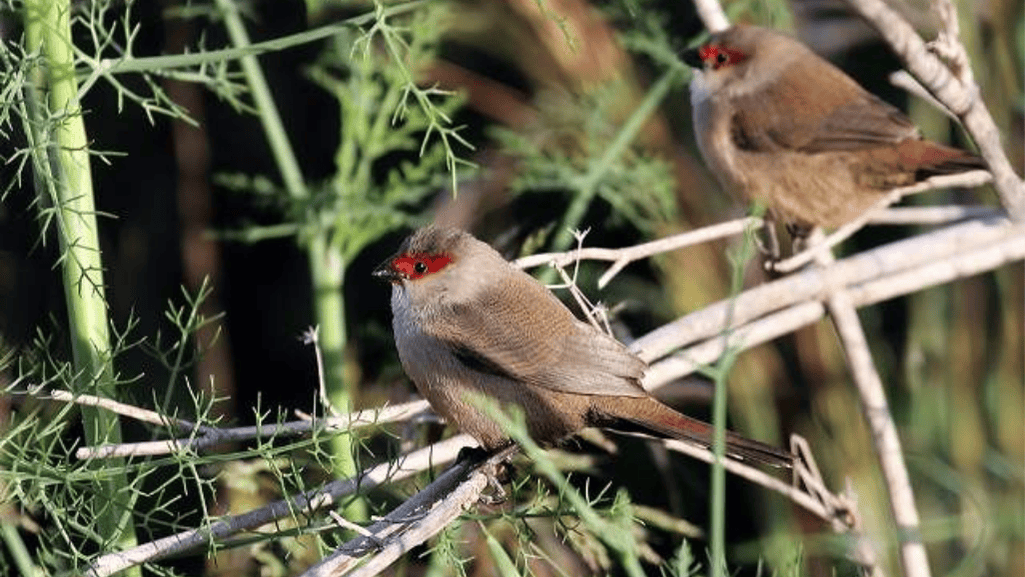 The Common Waxbill (Estrilda astrild) exemplifies the beauty and adaptability of grassland passerines: small, social, and often seen in loose flocks feeding on grass seeds. Its red bill and fine streaked plumage make it a rewarding species to identify and study. Protecting the grassy and wetland habitats they rely on ensures that these birds — and other members of the birds world — remain part of our natural heritage.
Quick facts & key takeaways
- Identification: common waxbill — small finch with red bill/face, streaked brown plumage and a relatively long tail.
- Diet & behavior: primarily seeds (grass and weed seeds), supplemented by insects, especially for chicks during the breeding season.
- Habitat: grasslands, savannas, reed margins and open woodlands — conservation of these areas supports healthy populations.
Take action: contribute to local bird surveys, support habitat protection groups (see conservation organizations above), or add your observations to check-list birds databases like eBird. Simple steps by many people help track populations and keep grassy ecosystems healthy for waxbills and other species.
For authoritative species status and further reading, consult resources such as the IUCN Red List and BirdLife International species factsheets for Estrilda astrild. Continued conservation, monitoring and public engagement will ensure that future generations can enjoy the common waxbill and the rich diversity of passerine birds they represent.
FAQ
What is the Common Waxbill bird?
What is the habitat of the Common Waxbill?
What are the breeding habits of the Common Waxbill?
Where can I find the Common Waxbill?
Is the Common Waxbill threatened?
What do Common Waxbills eat?
Do Common Waxbills migrate?
What are some tips for birdwatching Common Waxbills?
Are there different species of waxbills?
How can I support the conservation of Common Waxbills?
Where can I observe Common Waxbills up close?
What makes the Common Waxbill bird special?



 English