Skip to content
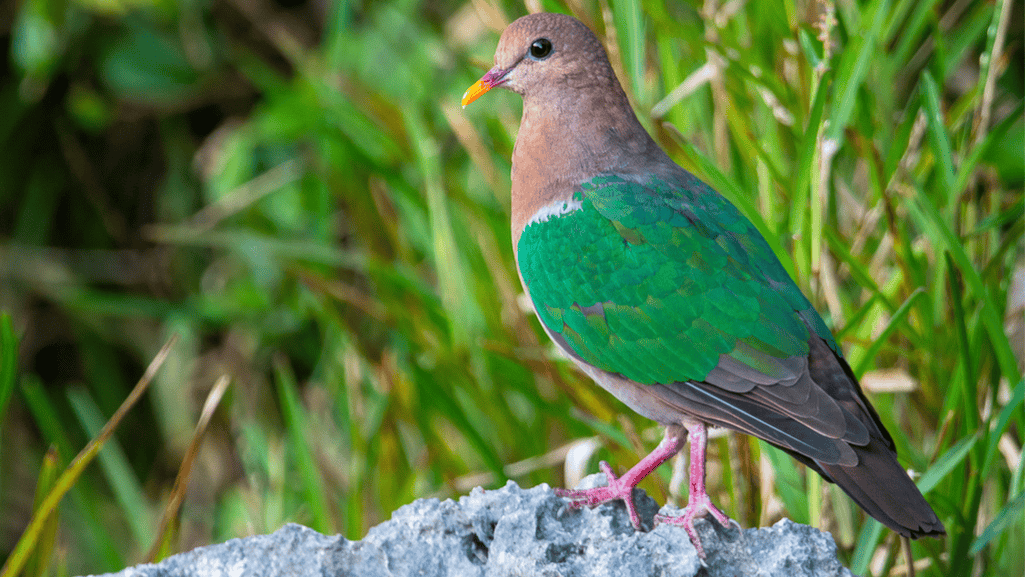

Birdwatching brings us face-to-face with remarkable species like the Green-winged Dove (Chalcophaps indica). This dove, a member of the Columbidae family, is admired for its emerald-tinged plumage and subtle behaviors; learning accurate information about its status and range helps guide conservation. (See species details and how to spot it below.)
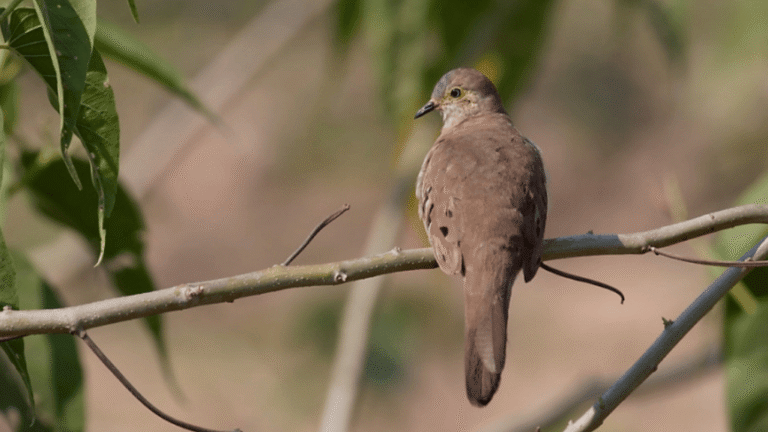
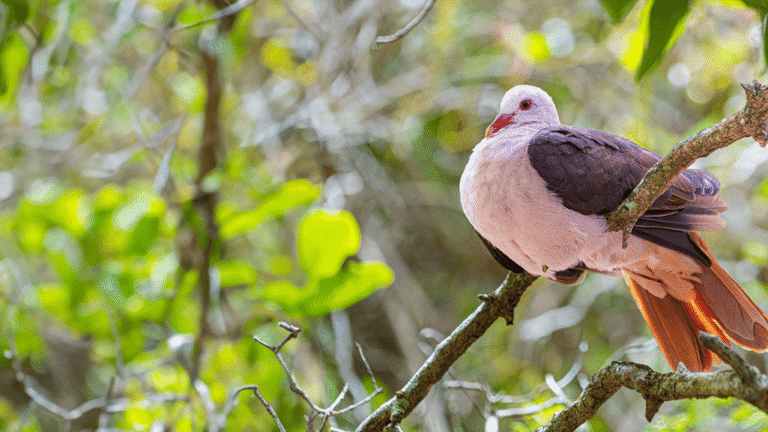
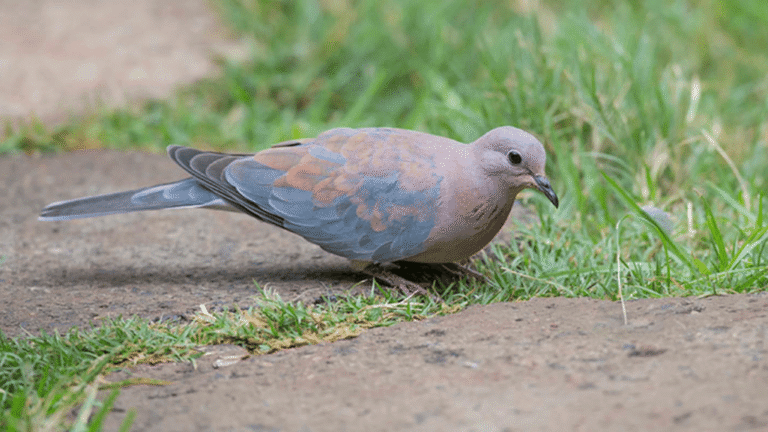
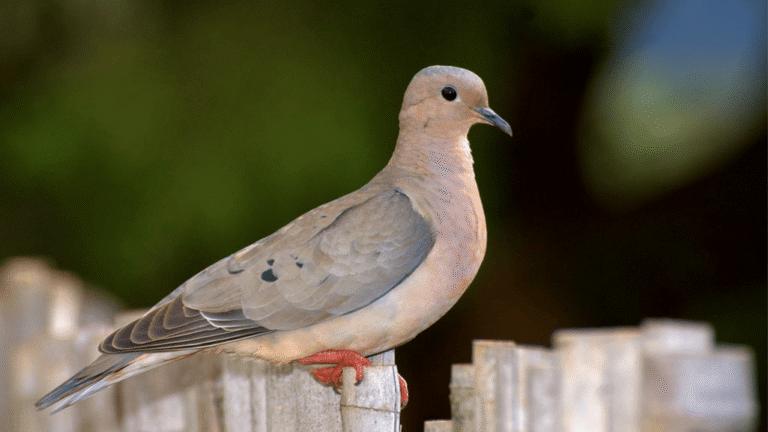
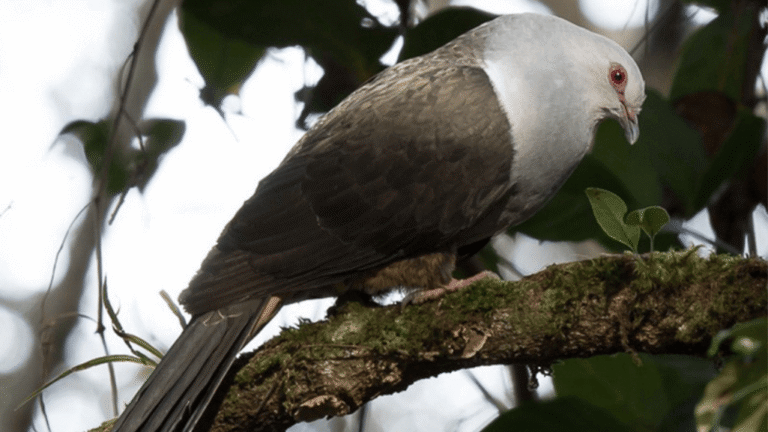
In parts of southern India such as Karnataka, multiple dove species coexist—illustrating local avian diversity. For example, the Laughing Dove measures about 23 cm while the Red Collared-Dove reaches roughly 30 cm; by comparison the Green-winged Dove is similar in size and notable for its green back and paired courtship displays. Birdwatching these doves is rewarding and supports habitat protection efforts.
Key Takeaways
• The Green-winged Dove is a distinctive member of the pigeon and dove family and highlights avian diversity.
• Accurate information about its status, range, and habits is essential for effective conservation.
• Birdwatching and citizen science help protect habitats and inform researchers.
Introduction to the Green-winged Dove
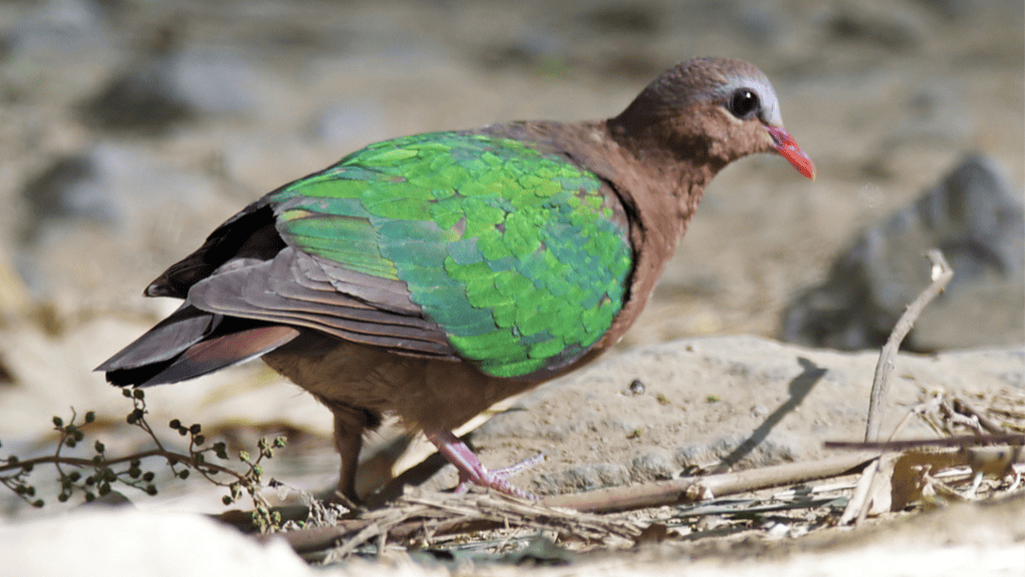 The Columbidae family, which includes pigeons and doves, contains roughly 300–330 species depending on the checklist used; members range from tiny ground doves to large crowned pigeons and occupy habitats from deserts to rainforests. Placing the Green-winged Dove in this context helps with identification and conservation planning.
The Allure of the Columbidae Family
Pigeons and doves are adaptable birds found worldwide. Their variation in size, plumage, and behavior makes them a useful group for studying ecology and human impacts on wildlife.
Understanding the Green-winged Dove’s Place in Avian Biodiversity
The Green-winged Dove (often treated as the emerald dove complex; see classification notes) occupies forested and edge habitats across parts of South and Southeast Asia and nearby islands. It feeds mainly on seeds and fruits and contributes to seed dispersal in its ecosystems.
Feature Description
Family Columbidae
Species Count ~300–330 (varies by source)
Habitats Forest, woodland edge, mangroves, and some urban green spaces
Size Range ~15 to 75 cm across the family
Weight Range ~30 to 2000+ g across the family
Typical Behaviors Solitary to social; many are sedentary, some migratory or locally nomadic
Diet Primarily seeds and fruit; some species take invertebrates
Conservation Status Varies by species — from Least Concern to Endangered
The Green-winged Dove and its relatives are more than subjects of field identification: their roles as seed dispersers and indicators of habitat health make them important targets for conservation and further study. For species-level classification and range, consult current checklists and databases (e.g., IOC, BirdLife).
Green-winged Dove Habitats Across the World
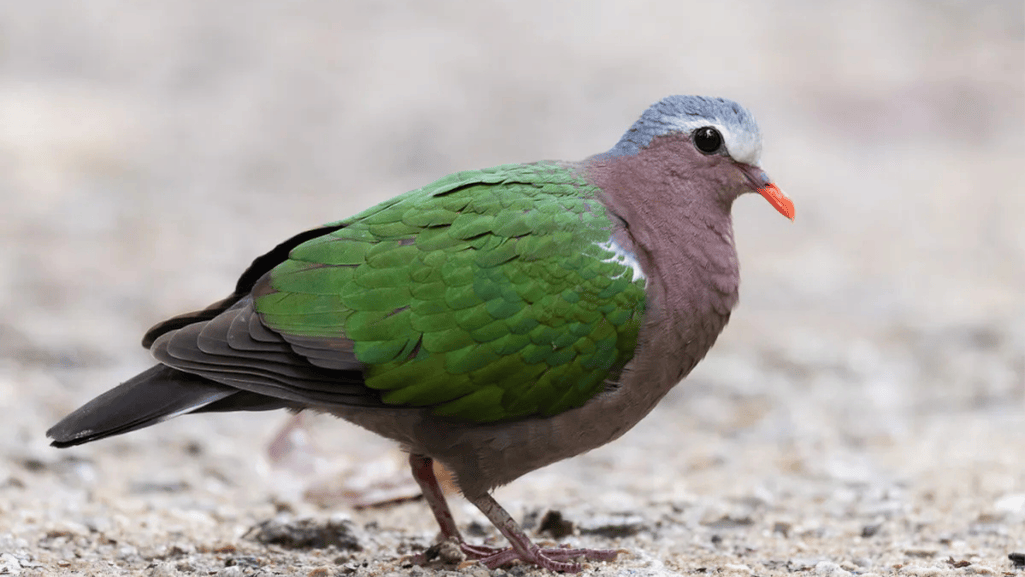 The bird commonly called the Green-winged Dove belongs to an emerald-dove complex of species (see classification notes) that occupy warm, humid habitats across South and Southeast Asia and nearby islands. Using the scientific name when possible clarifies range: many checklists treat populations in this group as Chalcophaps indica (emerald dove / Pacific emerald dove) or as closely related taxa. Accurate range data help target conservation where the species needs it most.
This dove favors forested habitats with dense understorey and nearby open patches for foraging. It occurs from lowland tropical forests to mangroves and wooded edges, and on some oceanic islands where intact tree cover remains. Local names vary, and populations on islands (for example, parts of the Andaman & Nicobar group and islands near New Guinea) can have particular conservation concerns.
Region Habitat Type Characteristics
India to South China Tropical forest Dense canopy and shaded forest floor with abundant fallen seeds and leaf litter for foraging
Andaman & Nicobar Islands Moist lowland forest High humidity and closed canopy used for nesting and shelter
Christmas Island and other offshore isles Mangroves / coastal forest Feeding opportunities in seed‑rich zones and shelter in coastal trees
Islands off New Guinea Evergreen forest Continuous tree cover supports resident populations year‑round
Why habitat matters: intact forests and connected tree cover provide nesting sites, shelter from predators, and the fallen seeds and fruit these doves eat. Threats such as deforestation, land conversion, and invasive predators are regionally important — for example, island populations are often vulnerable to habitat loss and introduced mammals.
To learn more about precise local ranges and subspecies treatment (Pacific emerald / pacific emerald dove versus continental emerald dove populations), consult authoritative sources such as BirdLife International, IOC world bird list, and eBird range maps. Targeted conservation in high‑value forest patches and island refuges is key to maintaining these doves and the forest ecosystems they help sustain.
Identifying Characteristics of the Green-winged Dove
The Green-winged Dove (Chalcophaps indica) — often included in the emerald dove / Pacific emerald dove complex — is recognized by its compact, robust shape and distinctive green-tinged plumage. Use the short field description and checklist below to identify it in forested habitats.
Prominent Physical Features
Typical size: about 23–27 cm long; stocky body built for quick, direct flight. Strong wings and well-developed flight feathers allow rapid wingbeats and abrupt wing flicks on takeoff.
Quick field description: small, compact dove with an emerald-green back and wings, greyish head and breast, and a relatively short tail — often seen perched low in trees or on shaded branches.
ID checklist (useful marks to compare):
• Plumage: emerald green back and upperwing (visible in good light)
• Shoulder/patches: green shoulder patches contrast with greyer head and underparts
• Head & crown: grey-capped appearance on many individuals
• Underparts: paler grey to buff on breast and belly
• Tail & back: darker tail with greenish sheen on back
• Bill & legs: bill short and stout; legs often pinkish
• Sexual dimorphism: males usually show brighter green on the back and clearer head pattern than females (subtle differences across subspecies such as pacific emerald dove or grey-capped emerald dove)
Distinctive Colors and Patterns
The species’ feathers combine vivid emerald on the upperparts with softer grey on the head and underparts; some forms show a pale or white patch on the shoulder or wing-coverts when folded. Look for the green wing and back patch in good light — this helps separate emerald doves from other forest pigeons.
Behavioral ID cues
Watch flight: direct, fast with steady wingbeats; the green upperwing flashes in flight if sunlight hits it. Listen for a soft cooing call at close range during the breeding season and for the subtle courtship display where pairs perform bowing and short flights.
Behavioral Patterns: Understanding Dove Manners
Green-winged Dove in natural habitat
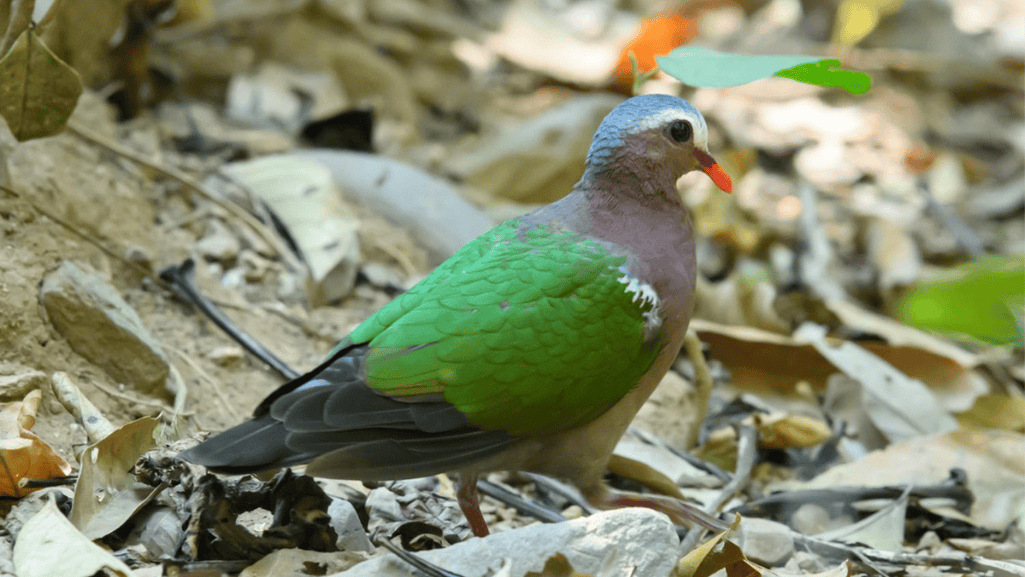 Observing the Green-winged Dove reveals practical clues about its daily life: feeding, social interactions, and how it avoids predators. These behavioral cues help birders locate and identify the species in forest understory and edge habitats.
Why photographers and birders watch behavior
Photographers and birdwatchers benefit from learning typical postures and movements. Knowing when a dove is likely to flush, perch, or feed increases your chance of a clear shot or an identification. Note patterns of movement rather than waiting for a single perfect pose.
Postures and flight
Relaxed birds often sit low and horizontal on shaded branches; an alert or flushed bird adopts a more upright stance before launching. Flight is typically direct and fast, powered by strong wings and distinct wingbeats; the green upperwing can flash in sunlight during flight.
Vocalizations and social signals
The Green-winged Dove produces soft cooing notes used in contact and courtship calls. Listen for quiet repetitive coos from dense cover when trying to locate them. Claims of loud bill-clapping are uncommon for this group—use recorded calls from reputable sources (e.g., Xeno-canto, Birds of the World) to learn accurate vocal signatures.
Cognitive and foraging behavior
These doves forage mainly on the ground for fallen seeds and fruit, often in pairs or small groups. Avoid overstating unreferenced cognitive claims; while pigeons and doves show good spatial memory in some studies, reference specific research before generalizing about problem-solving in this species.
Quick behavior tips for photographers
• Camera: use a fast shutter speed (1/1000s or faster) to freeze wingbeats in flight.
• Angles: position with the sun behind you to bring out the emerald sheen on the wings and back.
• Patience: watch for feeding trails on the ground and concealed perches where doves rest between bouts of foraging.
Understanding these behavioral patterns makes field identification and ethical photographing more effective, and it helps observers collect reliable information that supports conservation.
The Significance of Birdwatching: Featuring the Green-winged Dove
Birdwatching is more than a pastime — it produces the observations and local support conservation projects need. Focusing on species such as the Green-winged Dove connects people with their local bird community and supplies valuable information on distribution, nesting, and habitat use.
The Impact of Birdwatching on Nature Conservation
Citizen records and photographic evidence from birdwatchers feed databases (e.g., eBird, local atlases) that researchers and conservationists rely on. Regular observations help detect population changes, identify important forest patches, and guide habitat protection for doves and other pigeons.
How to Spot Green-winged Doves in the Wild
Use field skills and the right gear to increase your chances of finding these doves.
Spotting checklist:
• Time: visit wooded edges early morning or late afternoon when birds are most active (confirm local patterns).
• Sound: listen for soft cooing contact calls from shaded understory — recorded calls from sites like Xeno-canto help learning.
• Where to look: search low tree branches, forest floor near seed‑fall, and shady clearings with fallen fruit.
• Gear: 8×42 binoculars are a good all‑round choice; a field guide for your region (or digital apps) speeds ID.
Ethics and next steps
Keep distance from nests, avoid playback that disturbs birds, and don’t feed inappropriate human food. Report sightings to citizen‑science platforms and consider joining a local birding or conservation group to help protect habitat patches where doves nest and forage.
By combining careful observation, responsible behavior, and simple tools, birdwatchers play a direct role in conserving doves, their seeds and food resources, and the forest homes that sustain them.
Nature Conservation Efforts for Doves and Pigeons
Green-winged Dove Conservation Efforts
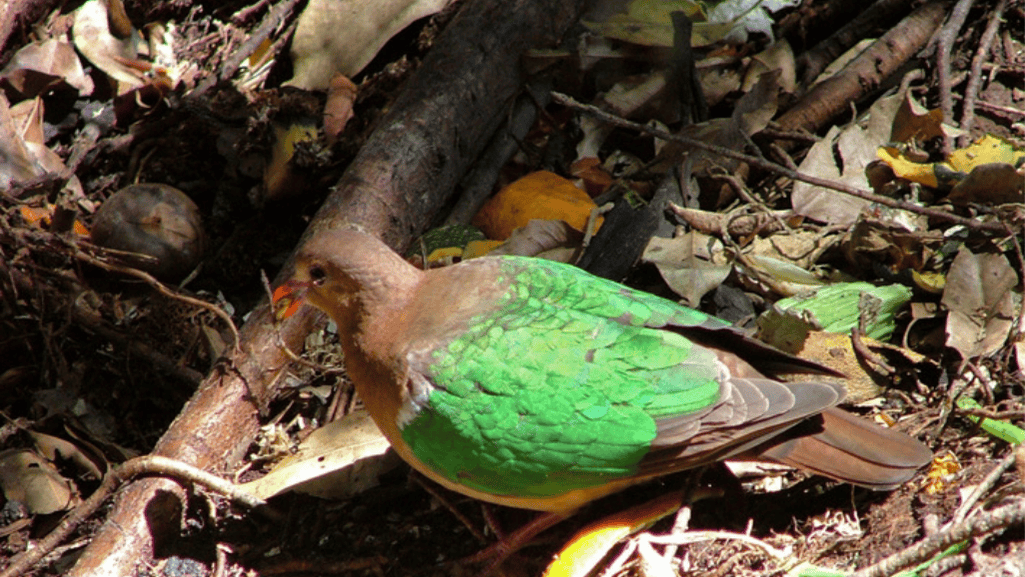 Conservation keeps ecosystems functioning and helps species such as the Green-winged Dove persist. Protecting habitat, supporting research, and engaging local communities are core strategies that benefit doves, pigeons, and the broader web of life they support.
Who is working to help these birds?
International NGOs, government wildlife agencies, and local community groups run habitat-protection projects, monitoring programs, and public education campaigns. Their combined work—mapping important forest patches, restoring degraded areas, and enforcing protective rules—reduces threats to nesting and foraging sites.
Key conservation actions
• Habitat protection: conserve and reconnect forest patches and coastal mangroves that provide nesting trees and seed‑rich foraging grounds.
• Research and monitoring: track population trends, breeding success, and threats so managers can prioritize sites and actions for species at risk.
• Community engagement and education: involve local people in protecting nests, reporting sightings, and reducing hazards around villages and farms.
Practical examples and priorities
Island populations (for example, some populations near New Guinea and in the Andaman & Nicobar region) are often especially vulnerable to habitat loss and introduced predators; targeted protection of nesting trees and predator control are high priorities. Conservation programs increasingly use citizen data (e.g., reported sightings and breeding records) to identify important areas for protection.
Breeding, nests and genetic management
Protecting nesting trees and seasons reduces egg and chick losses. In a few critically threatened cases, captive‑breeding and managed reintroduction are tools of last resort—but in most situations conserving habitat and reducing local threats (nest disturbance, habitat clearance) is the most effective strategy.
How you can help
Report local sightings to citizen‑science platforms, support habitat restoration projects, and avoid disturbing nests. Donations and volunteer time for local bird and forest groups directly help protect doves and other species that rely on seed resources and intact forest structure.
By combining focused habitat work, science, and community action, conservation initiatives can secure the trees, seeds, nests, and safe breeding sites these pigeons and doves need to survive.
Migration Mysteries of the Green-winged Dove
The Green-winged Dove (part of the emerald dove / pacific emerald complex) is primarily a resident forest species across much of its range, with local seasonal movements rather than long continental migrations. Understanding these local shifts — for food, breeding, or rainfall patterns — helps conservationists protect the habitats birds depend on at different times of year.
Seasonal movements and tracking
Many populations are sedentary, but some island or upland populations show short-range movements in response to fruiting trees or dry seasons. Researchers track these shifts using observations, banding, and increasingly GPS or lightweight tags on larger related pigeons; for emerald doves, citizen records and systematic surveys remain especially valuable.
Typical behaviors during movement
Movements are usually between nearby forest patches, along tree corridors, or to lowland feeding grounds. These doves forage on the ground for fallen seeds and fruit, then return to tree cover to roost — intact trees and connected habitat are therefore crucial.
Risks and conservation notes
Local movements can expose birds to threats such as habitat fragmentation, collisions with human structures when crossing open areas, and predation by introduced mammals on islands. Protecting trees, maintaining forest corridors, and reducing disturbance at known feeding and nesting sites help reduce these risks.
Attracting and observing responsibly
If you want to observe emerald doves in your area, provide natural features rather than forcing dependency: preserve native trees and understory, leave seed‑heads and fallen fruit, and offer a clean, shallow water source. Avoid overfeeding or offering inappropriate human food and keep a respectful distance from nests.
Photography and field tips
To capture flight and the green sheen on wings and flight feathers, use a fast shutter speed (1/1000s or faster) and a telephoto lens (300mm+ on a crop sensor or 500mm+ full frame). Position yourself so the sun lights the bird’s back to bring out emerald reflections without disturbing its behavior.
For precise local movement data and subspecies treatment (pacific emerald dove versus continental emerald dove populations), consult regional sources such as BirdLife, IOC, and local eBird reports; these resources guide targeted protection of trees, home patches, and stopover sites that sustain doves across their range.
Urban Encounters: Green-winged Doves in Cityscapes
Green-winged Dove in urban setting
Green-winged Doves (part of the emerald dove complex) are primarily forest birds, but they can appear in city green spaces where suitable trees and ground cover remain. Urban sightings highlight how trees, parks, and gardens can provide important habitat patches for forest species in developed areas.
Why city sightings matter
Seeing these doves in town shows the value of preserving trees and native plantings. Urban records also supply useful information about local populations and help planners design bird‑friendly green spaces.
Feeding and Nutrition: What Green-winged Doves eat
Diet is a key part of their ecology. In natural forest homes they feed mainly on fallen seeds, fruits and occasional invertebrates; in town they will use available natural food (fallen fruit, seeds) but should not be fed processed human food.
Diet in the wild vs. urban areas
• Natural diet: seeds, small fruits/berries and occasional snails or invertebrates found on the ground beneath trees.
• Urban diet: opportunistic use of seed-rich patches, fallen garden fruit or unprocessed birdseed placed on platforms; avoid offering bread or salty snacks.
Observed feeding behavior
These doves typically forage on the ground in pairs or small groups, picking through leaf litter and seed‑fall. Males and females may feed together; during the breeding season adults return frequently to nests and eggs in low trees or shrubs.
Practical urban tips
• Preserve native trees and understory to provide natural food and shelter.
• Provide a clean, shallow water source rather than direct feeding.
• Record urban sightings (e.g., via eBird) to improve local information and help conservation planning.
FAQ and short notes
The Green-winged Dove’s local classification (emerald dove / Pacific emerald dove) and exact common name can vary by region — check regional checklists for correct naming and subspecies treatment. For identification, note the green back and upperwing, greyish head and pale underparts; listen for soft cooing calls when trying to locate them.
Concluding note
Urban observers who protect trees, avoid disturbing nests and report sightings provide valuable information that helps conserve emerald doves and the forests they depend on.