Skip to content
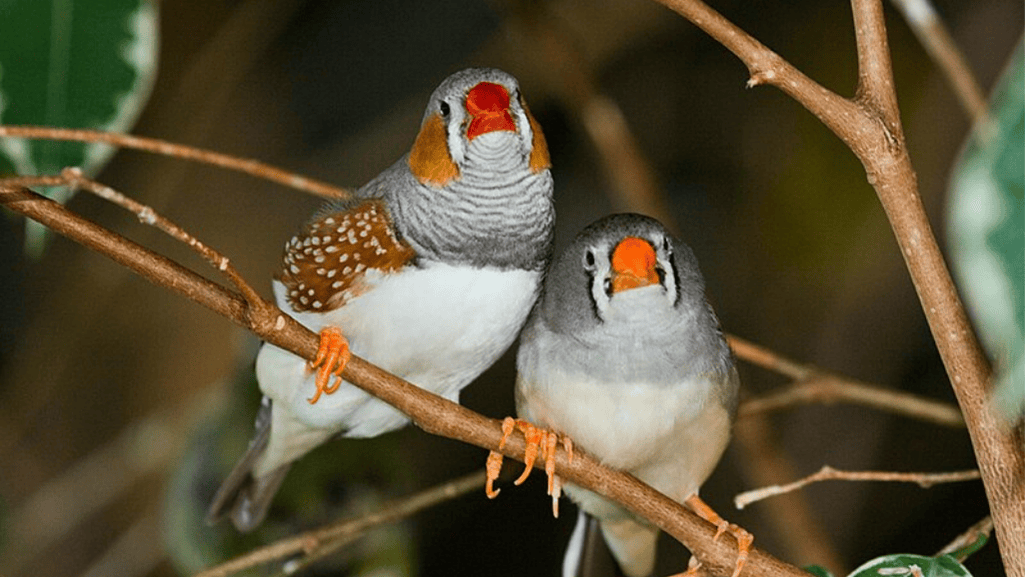

When Do Finches Lay Eggs? Finches are small, colorful songbirds that delight bird watchers and pet owners alike. Knowing when finches breed and lay eggs helps you provide the right care, protect nests, and plan for chicks whether you watch them in the wild or keep them as pets. This guide covers the finch reproductive cycle, including when wild and pet finches typically breed and lay eggs, where they build nests, and what to expect during incubation and fledging.
The finch breeding season is generally spring through summer, though exact timing varies by species and location. For many temperate species (for example, house finches), egg-laying commonly begins in March and can continue into August; some pairs may produce several broods in a year. Finches take care when building nests and often reuse suitable nest sites year after year. Once the female begins laying, she usually lays one egg per day until the clutch is complete.
Key Takeaways
- When do finches lay eggs: most temperate finches lay from spring to summer (commonly March–August).
- Finches may produce multiple clutches per year; a typical brood is around four eggs but varies by species.
- Female finches generally incubate; typical incubation is about two weeks (see species tables below for details).
- Fledging follows quickly after hatching; nestlings remain in the nest for a couple of weeks depending on species and conditions.
- Finches return to familiar nesting areas and will use natural sites or man-made structures for nests.
Understanding the Finch Breeding Cycle
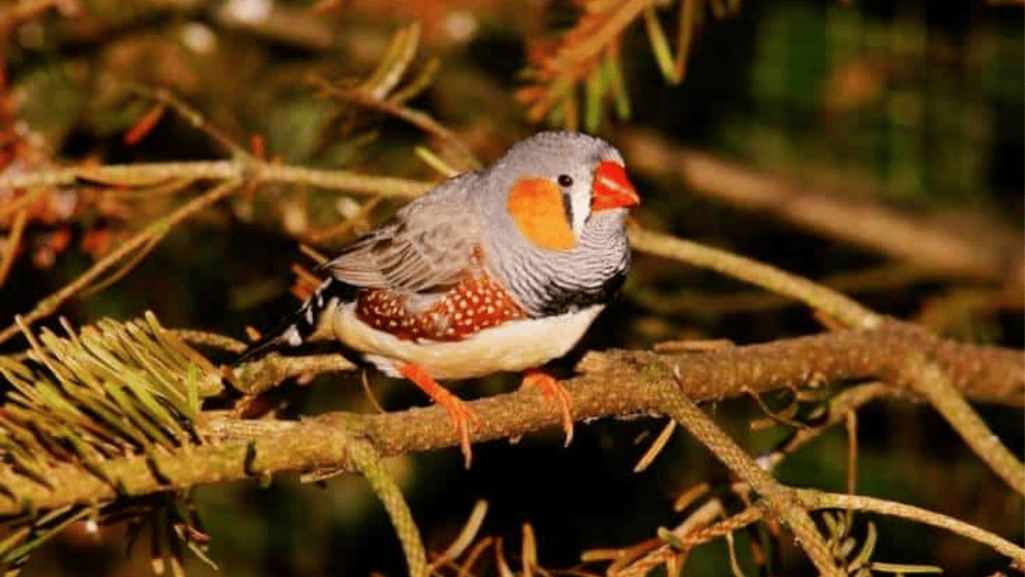 Finches follow an annual cycle — molt, non-breeding rest, mating and nesting, then the juvenile phase. During breeding, finches show species-specific behaviors: males perform visual and vocal displays to attract females, and females typically select partners based on cues like health, bright plumage, and food-provisioning ability.
Buy vitamins and supplements
Factors Influencing Finch Breeding Season
Key cues that trigger breeding include increasing day length (photoperiod), rising temperatures, and improved food availability. In the wild, birds time breeding so chicks hatch when seeds and insects are abundant. In captivity, breeders replicate these cues — stable temperature, 12–14 hours of daylight, and high-quality food — to encourage healthy breeding while avoiding year-round reproduction that can stress birds.
Practical tip: when preparing finches for breeding, increase quality protein (soft food, live or frozen insects for insectivorous species), provide calcium (cuttlebone) for females, and offer suitable nesting materials. Avoid overfeeding high-calorie treats outside the breeding season.
Signs of Finch Mating Behavior
Watch for courtship displays: males often sing more, show brighter plumage, perform a “butterfly flight” or hopping displays, and offer food to females. Females respond by inspecting nest sites and beginning nest-building when ready. These behaviors are strong indicators that egg laying will follow soon.
| Finch Mating BehaviorDescription | |
| Butterfly Flight | Male flies up and glides down while singing to attract female |
| Courtship Feeding | Male feeds female as a sign of his ability to provide |
| Pair Formation | Breeding pairs often form in winter before the official breeding season |
| Nest Building | Female begins constructing the nest, signaling impending egg laying |
| Mate Guarding | Male closely guards his mate to prevent other males from mating with her |
Females often favor males with brighter red or intense coloration — a sign of good health and foraging success. When you see nest-building and male guarding together with increased singing, that’s a clear signal that egg laying is near.
Buy vitamins and supplements
Finch Egg Laying Timeline
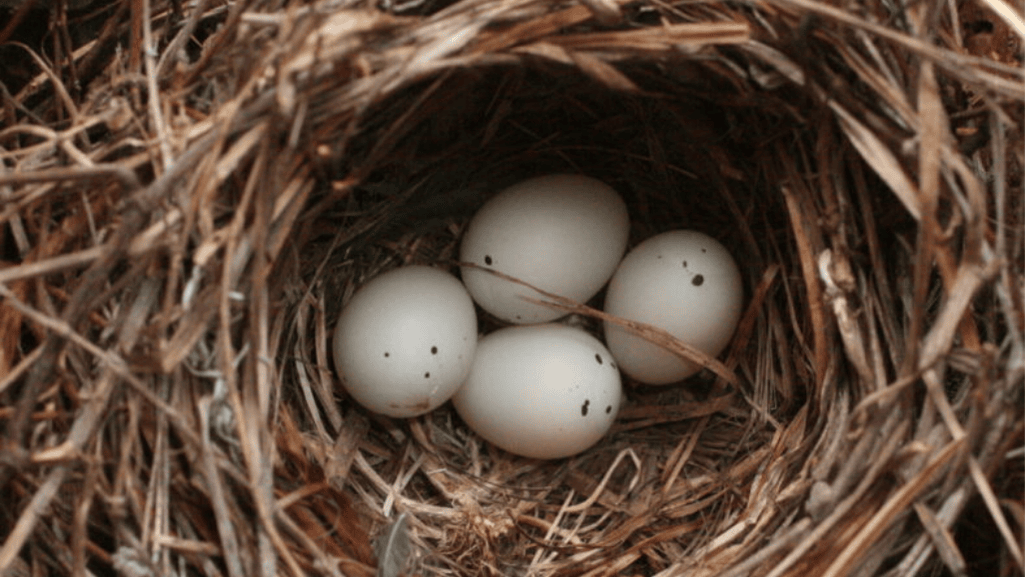 Knowing when finches lay eggs is essential for breeders and bird enthusiasts. It helps you prepare nesting sites, plan feeding, and reduce stress on adults and chicks. The finch reproduction cycle follows predictable steps — pair formation, nest building, egg laying, incubation, hatching, and fledging — but timing and details vary by species.
Typical Clutch Size for Finches
Most finch species lay between 3 and 6 eggs per clutch, though some species and captive strains can differ. Below is a short reference table; use it as a guideline and consult species-specific sources for exact averages.
| Finch SpeciesAverage Clutch SizeRange | ||
| Society Finch | 6 | 4–9 |
| Gouldian Finch | 5 | 4–6 |
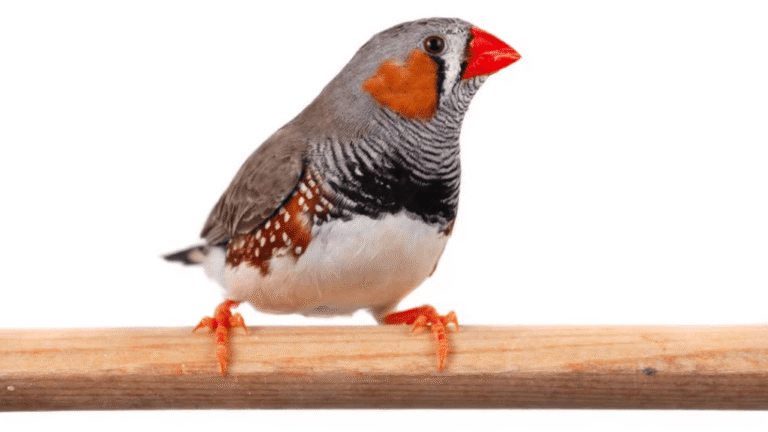
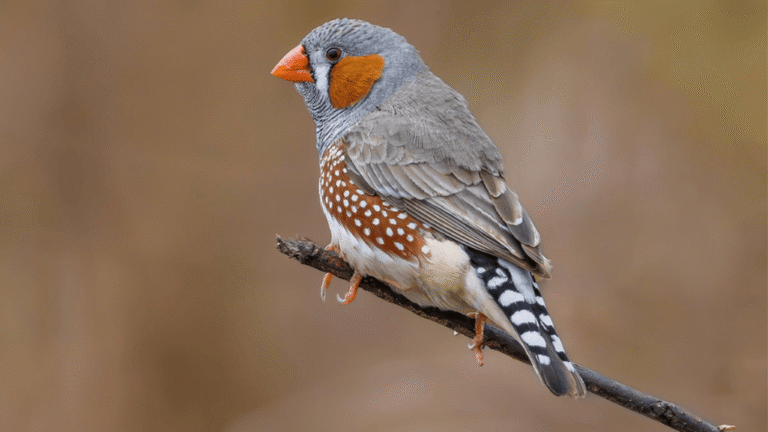
| Zebra Finch | 4 | 3–6 |
| Cordon Bleu Finch | 4 | 3–5 |
Frequency of Egg Laying in Finches
In many species a hen lays one egg per day, commonly in the morning, until the clutch is complete. Typical laying windows span spring into summer; for temperate species this is often March–August. Frequency of clutches per year depends on health, food, and environment — pairs in good condition may attempt multiple clutches, while others have only one or two.
Note: some wild species (for example, zebra finches in arid regions) show different strategies — opportunistic breeding tied to rainfall and food pulses, and occasionally laying in other birds’ nests. Captive finches usually follow predictable schedules you can influence with lighting and diet.
Buy vitamins and supplements
When Do Finches Lay Eggs?
Finches are prized for bright plumage and lively song. Their breeding timing depends on species and environment. Below is a concise look at when wild and pet finches typically lay eggs and the practical steps you can take to support them.
Breeding Season for Wild Finches
Wild finches usually breed in spring and summer when food supplies (seeds and insects) are plentiful and weather conditions improve. For many temperate species, the prime egg-laying period is March through August, though local climate and species ecology shift that window earlier or later in some regions.
Breeding Season for Pet Finches
In captivity, finches can breed outside the wild season if owners provide breeding cues: stable, slightly warmer temperatures, 12–14 hours of daylight, nesting materials, and a higher-protein diet. However, continuous year-round breeding can stress birds — it’s healthier to allow regular rest periods between breeding attempts.
Ideal Conditions for Finch Egg Laying
To encourage healthy breeding and egg laying, provide these practical items and routines:
- Space: a roomy aviary or large cage so pairs can fly and exercise — exercise helps reproductive health.
- Nesting: provide nest boxes or baskets and safe nesting materials (coconut fiber, grasses) — keep materials dry and clean.
- Diet & water: fresh seed mix, green foods, and protein (insects or egg food) during breeding; always supply fresh water.
- Lighting & temperature: simulate spring with 12–14 hours of light and slightly warmer temperatures (avoid sudden extremes).
Different finch species have slightly different needs. For example, Society finches often incubate for around 16 days while Zebra and Gouldian finches typically incubate 12–14 days — check the species table below for specifics. When planning breeding, factor in species differences and avoid pushing birds to breed continuously for their welfare.
| Finch SpeciesAverage Clutch SizeIncubation Period | ||
| Zebra Finch | 3–6 eggs | 12–15 days |
| Society Finch | 4–6 eggs | 16 days |
| Gouldian Finch | 4–6 eggs | 14–16 days |
With the right timing and care you can support successful breeding: provide appropriate diet and nesting sites, mimic seasonal cues in captivity, and allow rest between clutches to protect adult health. Watching finches raise chicks is rewarding when you prepare for the timing and needs of each species.
Finch Nesting Habits and Egg Care
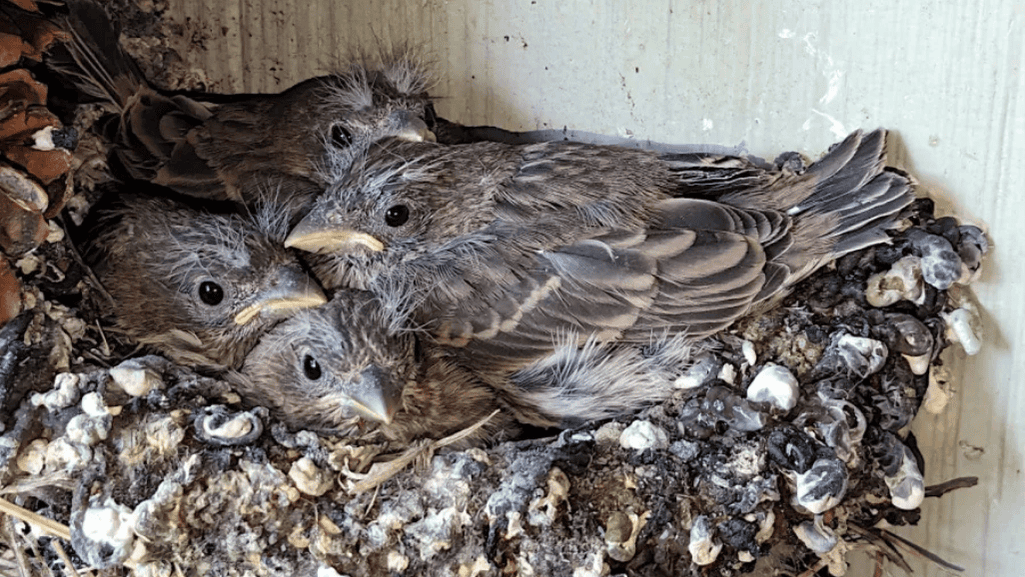 Finches are meticulous nest builders and attentive parents. The female typically constructs the nest from collected materials and shapes it into a secure cup or dome. Nests may be placed in trees, shrubs, cacti, on building ledges, or in provided nest boxes; finches often prefer sites that offer some shelter from predators and the weather.
Nesting Materials Used by Finches
Finches collect a variety of soft, insulating materials. Provide safe options and avoid hazards such as long loose threads that can entangle nestlings.
- Grass stems and blades — natural and insulating
- Thin twigs and small branches for structure
- Soft plant fibers and mosses for lining
- Animal hair and feathers (used sparingly)
- Cotton and soft materials — use only short pieces and avoid long threads
Incubation Period for Finch Eggs
After the final egg is laid, the female begins incubation — keeping eggs warm and turning them periodically. Incubation length varies by species but typically falls between 12 and 16 days. In many species the female does most incubation while the male supplies food and may take short turns on the nest.
| Finch SpeciesIncubation Period | |
| House Finch | 13–14 days |
| Zebra Finch | 12–15 days |
| Gouldian Finch | 14–16 days |
| Society Finch | 14–16 days |
Parental Care of Finch Eggs and Chicks
Both parents typically help raise young: incubating, feeding, and keeping the nest clean. Chicks hatch naked and helpless and depend on parents for warmth and regurgitated or pre-digested food. As nestlings grow they demand more frequent feeding, often every 20–30 minutes during daylight in the early phase.
Fledging occurs when nestlings are strong enough to leave the nest — commonly between about 12 and 20 days, depending on species and food availability. After fledging, parents may continue to feed and support the young for another one to two weeks while they practice flying and foraging.
Common Issues with Finch Egg Laying
Finches usually breed readily, but egg-laying problems can occur. Two frequent issues are infertile or unhatched eggs and egg binding. Below are causes, preventative actions, and practical steps you can take if problems arise.
Infertile or Unhatched Finch Eggs
Eggs may fail to hatch because they were not fertilized, incubation conditions were poor, shells were too thin, or parents abandoned the clutch. A safe, low-cost way to check development is candling: in a dark room hold a bright (but cool) light to the egg to look for veins or a developing embryo. Only candle briefly and with care to avoid chilling the egg.
Prevention: ensure balanced breeding diets (extra protein and calcium), stable incubation temperature and humidity, and minimal disturbance. Removing clearly infertile or rotten eggs helps prevent bacterial spread — use gloves and clean the nest area afterward.
Egg Binding in Finches (Emergency)
Egg binding — when a hen cannot pass an egg — is a serious, potentially life-threatening condition. Signs include severe lethargy, fluffed feathers, straining, heavy breathing, and a distended abdomen. If you suspect egg binding, seek veterinary care immediately. While awaiting a vet, keep the hen warm, quiet, and lightly humid (a warm, steamy bathroom for a few minutes can sometimes help relax muscles), but avoid forceful home attempts to extract an egg.
Prevention: prioritize calcium (cuttlebone, mineral blocks), vitamin D through safe sunlight exposure or full-spectrum lighting, and reduce stress. Ensure nesting boxes are the right size and provide privacy so females are not disturbed during laying and incubation.
| IssueCausesPrevention | ||
| Unhatched Eggs | Infertility, inadequate incubation, thin shells, parental neglect | Balanced diet, suitable nesting materials, stress-free environment, candling eggs |
| Egg Binding | Calcium deficiency, unsuitable nesting receptacles, stress | Calcium-rich diet, appropriate nesting sites, stress reduction, veterinary care |
If you encounter problems, document symptoms (egg appearance, parental behavior, hen condition) and contact an avian veterinarian for guidance — especially for emergencies like egg binding. Avoid risky home treatments and follow vet recommendations for diagnostics and safe interventions.
Conclusion
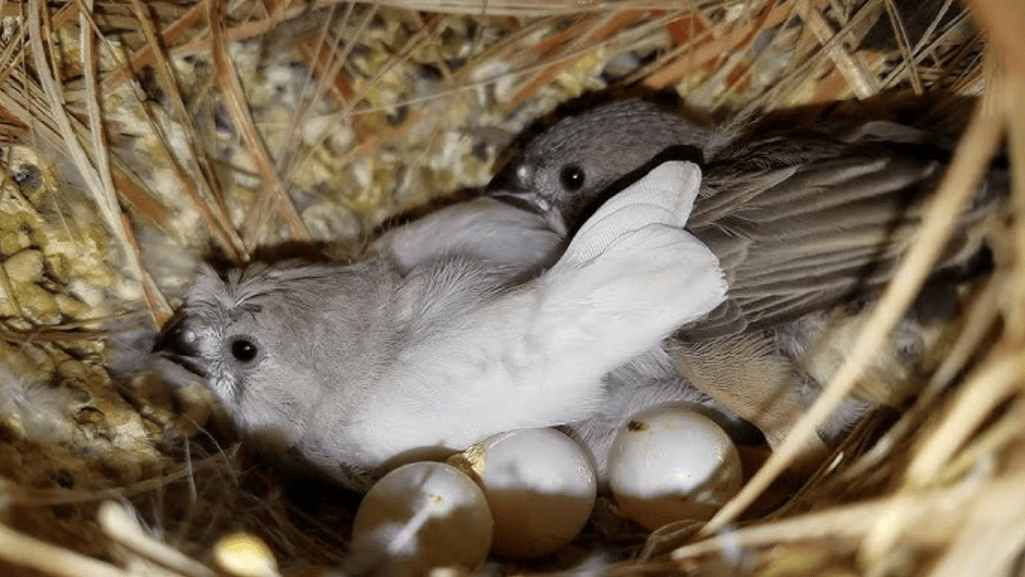 Understanding when finches lay eggs and how they breed is essential for bird lovers, backyard observers, and breeders. Most finches breed in spring and summer, though exact timing depends on species, local climate, and food availability. Recognizing nesting behavior — collecting materials, increased singing, and males guarding mates — gives you advance notice to prepare nests and adjust care.
For healthy breeding, prioritize appropriate food (seed mixes, fresh greens, and extra protein during breeding), clean water, safe nest sites, and predictable lighting (12–14 hours to simulate spring). Typical clutches are 3–6 eggs; incubation runs about 12–16 days depending on species, and chicks fledge roughly two to three weeks after hatching. Note: growth rates and fledging times vary by species — always check species-specific information before intervening.
Raising baby finches is rewarding but requires careful attention: safe nesting materials, a balanced diet with calcium for laying females, regular fresh water, and minimal disturbance. When health issues arise (egg binding, infertile eggs, disease), contact an avian veterinarian rather than attempting risky home remedies.
FAQ
When is the typical breeding season for finches?
How many eggs do finches usually lay per clutch?
How long does it take for finch eggs to hatch?
What should I do if a finch egg fails to hatch?