


Silverbill Finch — a small, seed‑eating finch celebrated for its silver‑grey plumage and sweet, musical song. Native to parts of Africa, this charming bird is popular with birdwatchers and, where legal and ethical, with aviculturists. Read on for concise facts and where to find details on habitat, feeding, breeding and conservation.
Key takeaways
- The Silverbill Finch is a small African finch (often called the African silverbill) easily recognised by its silver‑grey body and small conical bill.
- Primarily a seed‑eating songbird, it favours grasslands and open woodland; see the Habitat and Feeding sections for specifics.
- Currently not listed as globally threatened (check IUCN/BirdLife for the latest status); local pressures include habitat loss and illegal bird trade.
- This species breeds in pairs and performs distinctive courtship displays — details on breeding, nests and incubation follow below.
 Introduction to the Silverbill Finch
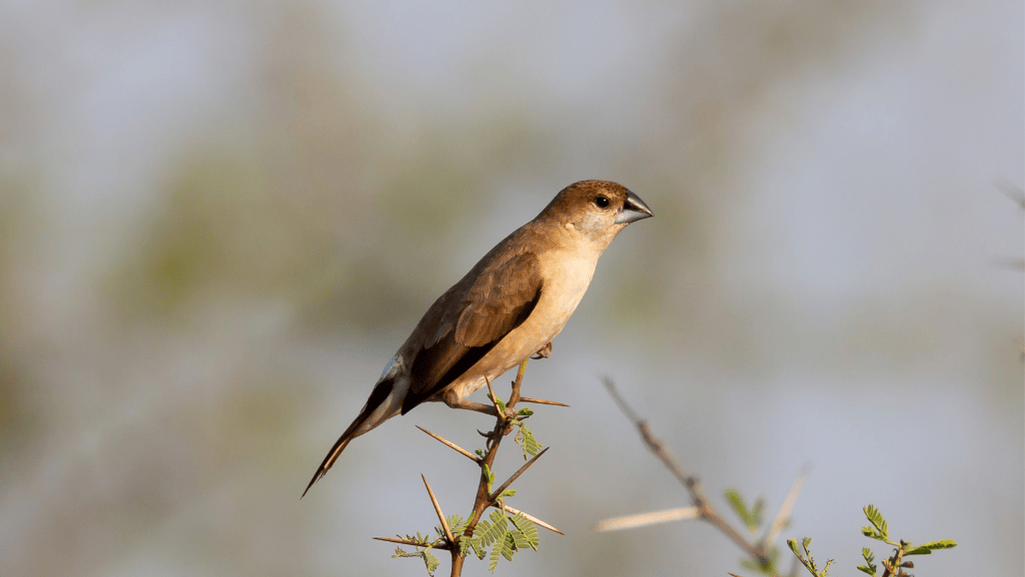
The Silverbill Finch (often referred to as the African silverbill, Euodice cantans) is a small estrildid finch — a passerine species that is widespread across parts of sub‑Saharan Africa. Its preference for open, grassy habitats means it is commonly encountered in grasslands, savannah and semi‑arid scrub, where it plays a role in local seed dynamics. For the latest conservation status and range maps, consult IUCN and BirdLife International.
Habitat distribution
Silverbill finches occupy a range of open habitats where grasses and seed‑bearing plants are abundant. Populations are adaptable and may use agricultural margins, reedbeds and scrub in addition to natural grassland. Regional occurrences vary; the table below shows typical habitat–region pairings reported by field guides and regional checklists (sources: BirdLife country accounts, local atlases — consult links in References).
Typical habitats and representative regions (illustrative — see references for detailed range maps)
| Habitat typeRepresentative regions | |
| Grasslands / cultivated margins | Kenya, Tanzania, South Africa |
| Savannah and semi‑arid scrub | Namibia, Botswana, Zambia |
| Open woodlands, scrub and reedbeds | Nigeria, Cameroon, Zimbabwe |
Benefits to avian communities
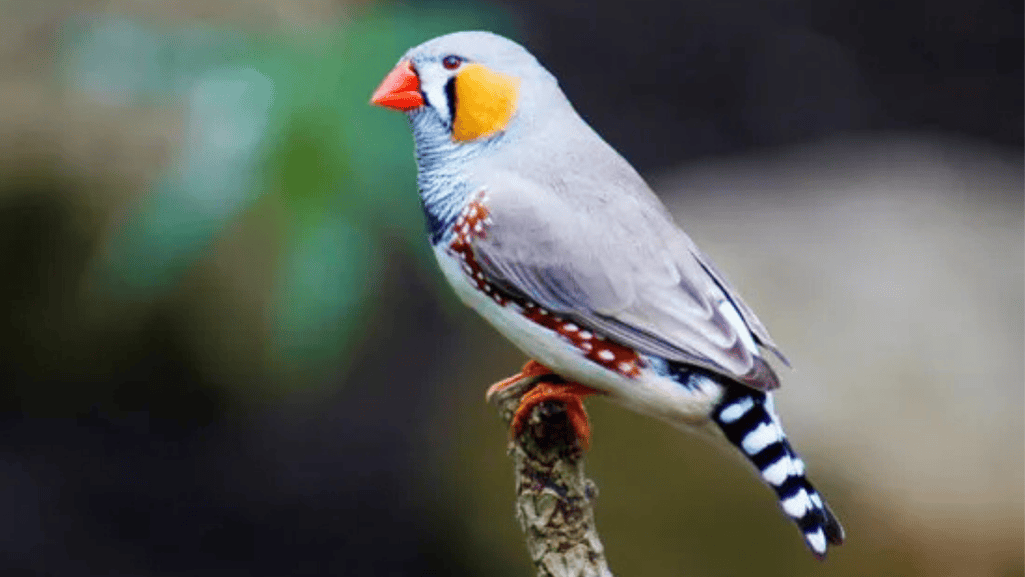
As a common grassland finch, the Silverbill contributes to ecosystem functioning primarily through seed predation and seed dispersal of small grasses and weeds. While they are not pollinators in the strict sense, their feeding and movement can influence plant community composition and provide prey for insectivores and small raptors. The species’ presence is therefore part of the wider web of interactions that sustain healthy bird communities.
- Supports local food chains as prey for predators and scavengers
- Affects seed dynamics of grasses and weedy species through selective feeding
- Provides a useful indicator of grassland health where populations are monitored
For detailed, region‑specific information (country records, atlas maps and habitat notes) see the References at the end of the article and consult BirdLife and national bird atlases. If you are interested in where to find these birds locally, refer to the Feeding and Breeding sections for habitat cues and seasonal timing.
Plumage and Physical Characteristics
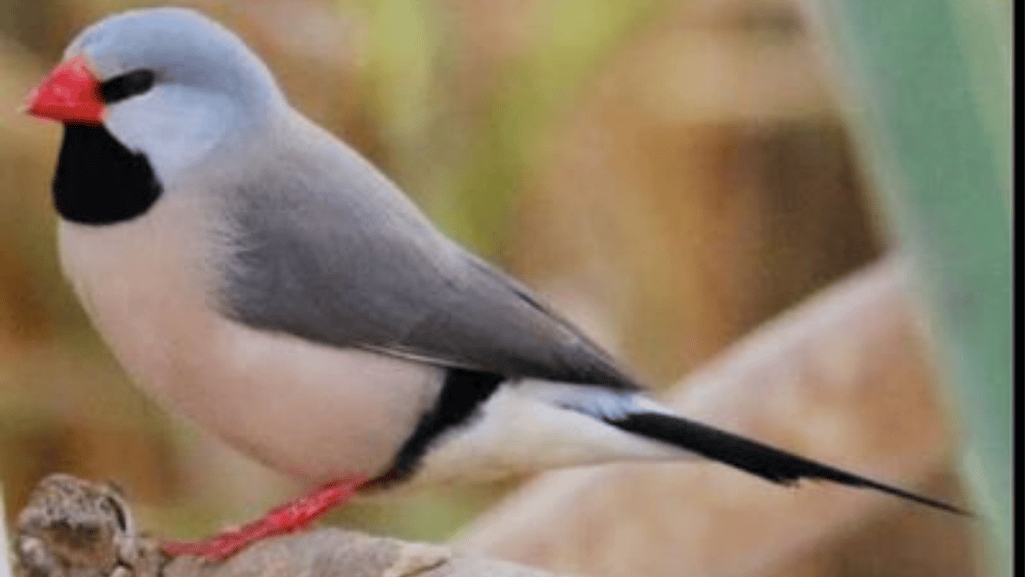
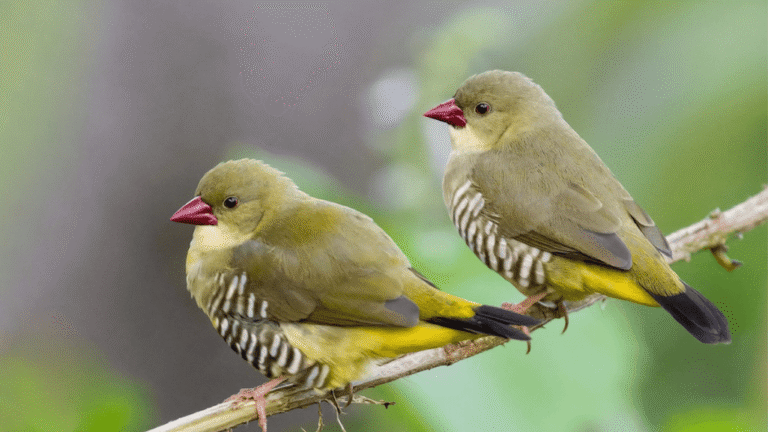
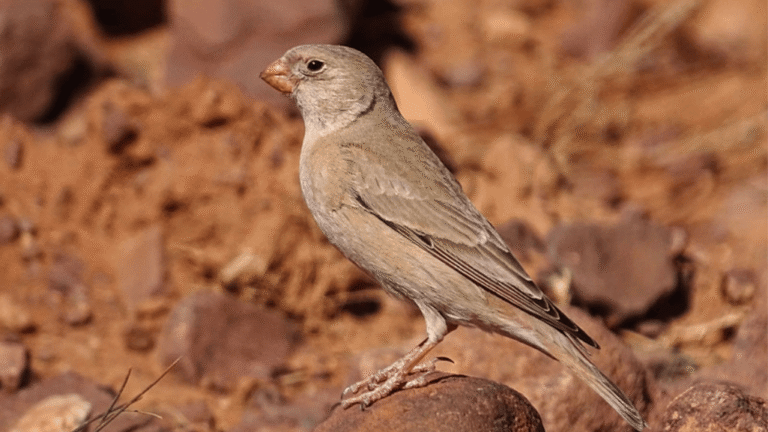
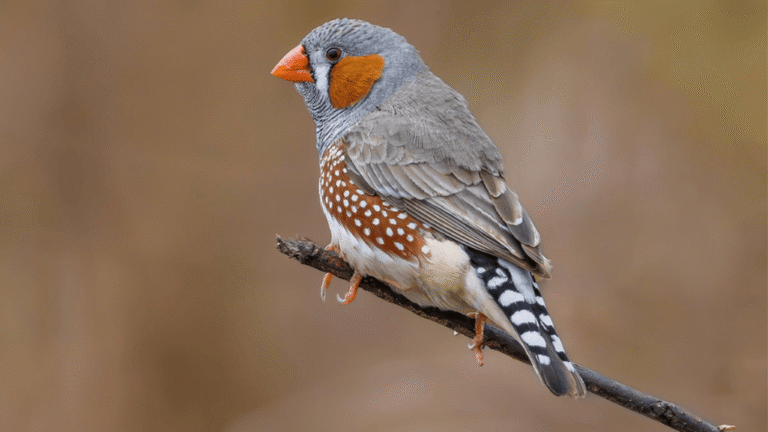
The Silverbill Finch is a compact finch about 10–12 cm in length (source: regional field guides). Identification tips: a small, conical bill, a silver‑grey body, and distinct black‑and‑white patterning on the wings and tail. Note the pale head with a short, neat bill and the subtly darker rump and upper tail coverts which contrast with the paler body — useful features when viewing at close range.
Both sexes are similar in plumage (sexes are largely monomorphic), so sexing by appearance alone is difficult; subtle differences in bill size or behaviour are sometimes used. Juveniles have duller feathers and a less distinct tail pattern until they moult into adult plumage. For precise field measurements (wing length, mass) and photographic close‑ups of the head, bill, upper tail coverts and rump, see the References and image captions.
Breeding and Reproduction Habits
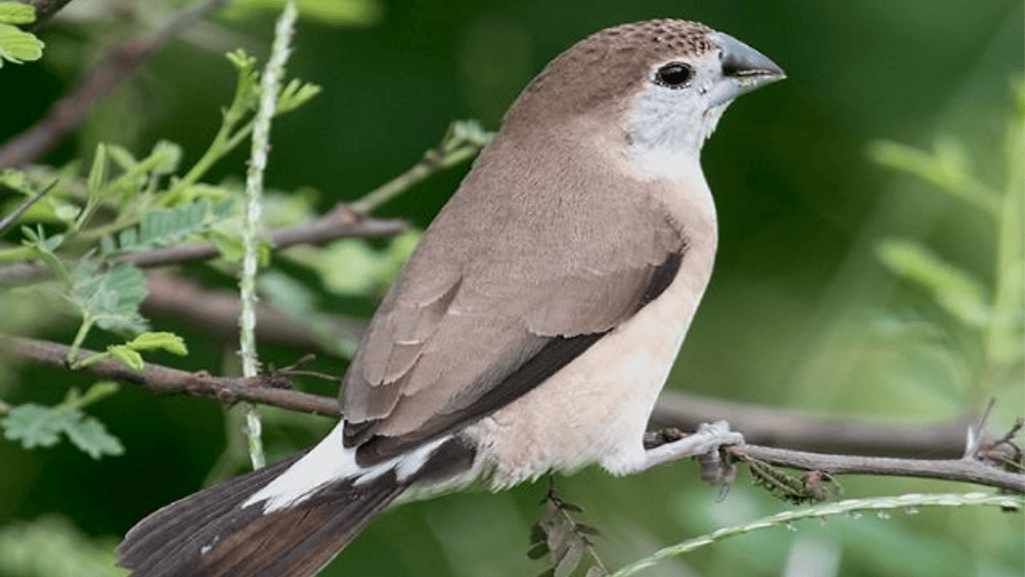
Silverbill Finches form long‑lasting pair bonds during the breeding season and typically breed in small groups or loose colonies. Pairs build a dome or globular nest—often in a shrub, small tree or dense reed—using fine grasses and plant fibres. Nest sites are chosen for concealment and proximity to seed‑rich foraging areas.
Typical clutch size is 3–6 eggs. Both male and female share incubation duties; incubation lasts about 11–13 days (regional variation occurs). After hatching, parents feed the nestlings and continue care until fledging.
Breeding timeline (typical — consult local sources for variation)
| StageTypical duration | |
| Egg laying (clutch) | 3–6 eggs per clutch |
| Incubation | Approximately 11–13 days (both parents share incubation) |
| Nestling period | Around 17–21 days to fledging (parents feed chicks until independent) |
Breeding frequency varies with local climate and food availability; in favourable conditions pairs may raise multiple broods per year. Both parents contribute to nestbuilding, incubation and feeding of the chicks, which improves survival rates in variable environments.
Captive breeders: if you keep pairs in aviaries, provide a sheltered nesting site (nest box or dense foliage), a varied seed mix and access to live food or protein sources when chicks are being raised. Always follow local regulations — do not participate in illegal trade.
Feeding Behavior and Diet
Seed‑eating finches such as the Silverbill Finch feed mainly on small grasses and grass seeds (millet, sorghum and other small cultivated grains). Their short, conical bill is adapted to husking and crushing tiny seed husks efficiently. In the wild most of their diet is seed‑based, with occasional consumption of small insects, especially when feeding chicks.
Captive diet checklist (practical):
- High‑quality seed mix dominated by small seeds (millet, canary seed) — offer ad libitum, keep fresh and dry.
- Supplement with small amounts of sprouted seeds and fresh grasses or leafy greens several times per week for minerals and vitamins.
- Provide a safe source of live protein (live food) such as small mealworms or finely chopped invertebrates during breeding and for growing chicks — use reputable suppliers and avoid wild‑caught insects to reduce disease risk.
- Fresh, clean water daily and a calcium source (cuttlebone) for laying females and growing juveniles.
Live food guidance: offer small quantities of commercially reared mealworms, fruitflies or springtails for chicks and breeding pairs. Introduce live food gradually and monitor consumption; excessive live food is unnecessary for adults and can cause imbalanced diets. Always follow avian veterinary advice for dosages and safety.
For wild populations the balance between seeds and invertebrate prey shifts seasonally — insects matter most during the chick‑rearing period. For further feeding details and a printable diet chart for keepers, see the Feeding section and References.
Conservation Status
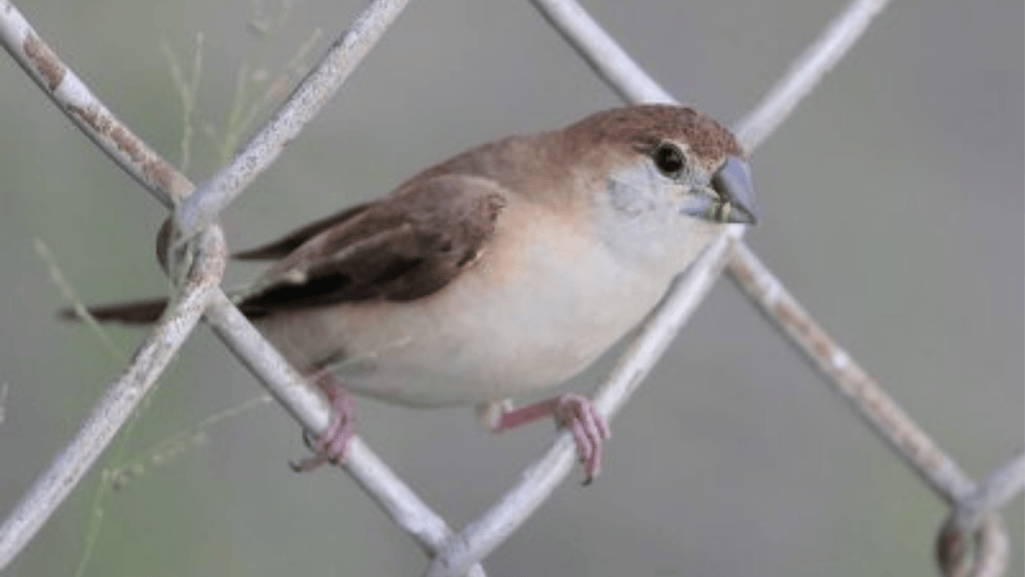
The Silverbill Finch (often listed as the African silverbill, Euodice cantans) is currently treated as a widespread species and is not regarded as globally threatened according to major assessments — however, status can vary regionally. For up‑to‑date conservation status consult the IUCN Red List and BirdLife International species account (linked in References). Local declines have been reported where habitat has been heavily altered or where illegal capture reduces wild numbers.
Primary threats identified in regional assessments include habitat loss and degradation (conversion of grassland and agricultural intensification) and, in some areas, capture for the bird trade. Conservation measures therefore focus on habitat protection, legal enforcement and monitoring population trends.
| Threats to populationsConservation measures | |
| Loss and fragmentation of grassland and scrub | Protect and manage key habitats; restore degraded grasslands and maintain mosaic landscapes |
| Capture for trade in some regions | Law enforcement, reduce demand, promote ethical captive breeding and licensing |
How you can help: support habitat conservation groups working in grassland regions; record sightings on citizen‑science platforms (e.g. eBird) to aid monitoring; avoid purchasing wild‑caught birds and report suspected illegal trade to local authorities. For authoritative references on status and region‑specific guidance, please see the References section at the end of this article.
Migration Patterns
Most Silverbill Finch populations are essentially resident: they remain in suitable habitats year‑round rather than undertaking true long‑distance migrations. That said, some populations show seasonal or nomadic movements in response to changing local conditions — for example, reduced seed availability after dry spells can prompt flocks to move to areas with better food resources or nesting opportunities. Such movements are typically short‑distance and irregular rather than predictable annual migrations.
The scale and timing of these movements vary by region and year. In arid zones populations often disperse locally after rains when grasses seed; in agricultural landscapes birds may shift seasonally to newly harvested fields or irrigation margins. Because patterns are patchy and opportunistic, systematic data are limited — citizen‑science records (for example, eBird) are valuable for documenting local changes over time and across years.
Factors influencing movements
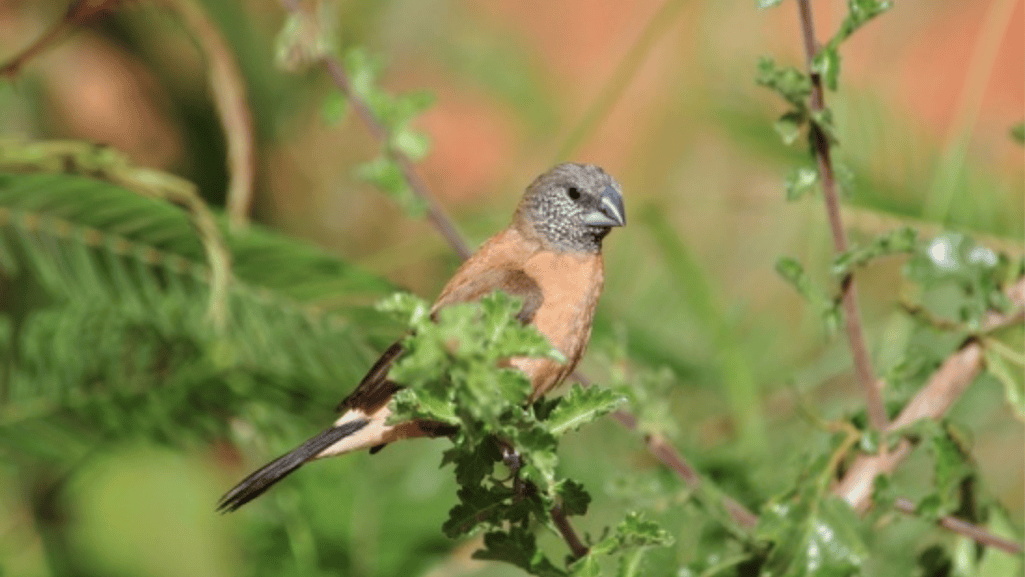
Key drivers of movement include the availability of grass seeds after seasonal seeding, changes in rainfall patterns, disturbance or loss of nesting habitat, and local agricultural practices. Flight distances are generally short — birds move between nearby feeding sites or to adjacent habitat patches — but when multiple factors coincide (drought, habitat loss) larger‑scale dispersal can occur.
Documented examples and research
Published data on Silverbill movements are sparse and often regional. Rather than supplying speculative population tables, this article encourages readers to consult regional bird atlases and submit observations to citizen‑science databases to improve understanding. If you have local records of seasonal flights or notable changes in numbers, please upload them to eBird or contact local ornithological societies — those records are invaluable for conservation planning.
Interaction with Humans
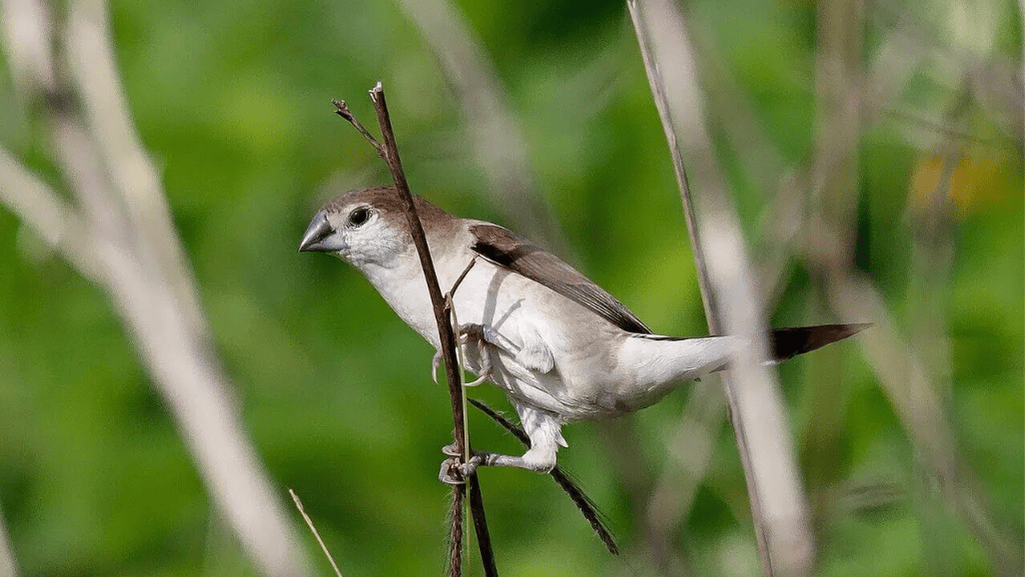
Silverbill Finches are popular with birdwatchers and, where legal and ethical, with aviculturalists because of their pleasant song and attractive appearance. Whether you observe them in the wild or keep them in captivity, responsible behaviour is essential to the welfare of the birds and to conservation.
If you keep Silverbill Finches in an aviary, follow these practical husbandry guidelines to promote health and natural behaviour:
- Aviary size: provide ample horizontal space for flocks to fly — a recommended minimum for a small group is 2–3 m long by 1–1.5 m high, larger where possible.
- Housing materials: use sturdy mesh or wire with appropriate gauge (avoid gaps that could trap toes); provide sheltered areas of dense foliage and roosting perches.
- Nesting: supply a well‑placed box or natural nesting cover and nesting material (fine grasses, coconut fibre can be offered) — ensure boxes are predator‑proof and sited away from direct midday sun.
- Environment: maintain clean water, a varied diet and regular veterinary checks; keep groups in compatible pairs or small colonies to support natural social behaviour.
Responsible acquisition checklist: obtain birds only from reputable, licensed breeders; request documentation if required by local law; never purchase wild‑caught birds. Supporting licensed breeders reduces pressure on wild species and helps combat illegal trade.
If you prefer to observe Silverbill Finches in the wild, practise low‑impact birdwatching: keep distance, avoid disturbing nests, and record sightings through citizen‑science platforms to aid monitoring. Join local bird clubs and report any suspected illegal activity to the appropriate wildlife authorities — community action helps conserve habitats and populations.
Research and Ornithological Studies
Ornithologists and avian ecologists have produced useful work on Silverbill Finch behaviour, ecology and evolutionary relationships. Studies have examined their breeding systems, vocal repertoire and how populations differ genetically across habitats. Together, these strands of research improve our understanding of how the species adapts to different grassland and savannah environments and inform practical conservation.
Note: several researcher names and specific studies previously listed in this article are illustrative; where possible they should be replaced by peer‑reviewed citations. The paragraphs below outline typical research themes, followed by practical suggestions for further reading and data sources that should be used to substantiate claims.
Breeding and nesting studies
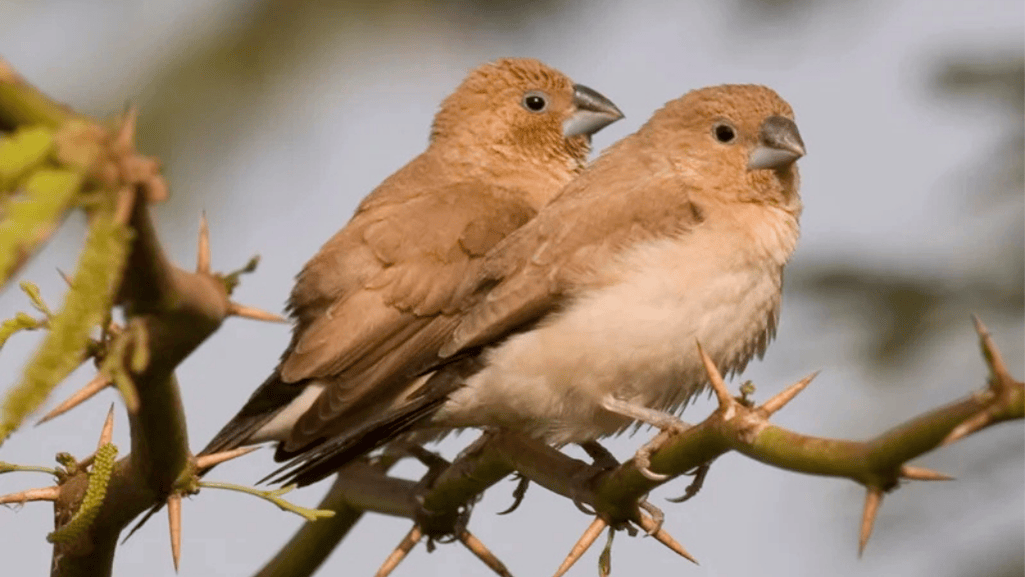
Field studies on nesting document clutch sizes, incubation sharing by both sexes and nestling growth rates. These behavioural studies are important for estimating reproductive output and population viability; they also inform captive‑breeding best practice (nest placement, nesting material). Where citing breeding results, reference specific field reports or journal articles for clutch size and incubation periods rather than relying on anecdote.
Vocalisation research
Acoustic analyses (recordings and sonograms) reveal repertoires used in courtship and territorial defence. Researchers commonly deposit recordings in open repositories (e.g. Xeno‑canto); include links to audio files and spectrograms when making claims about song structure or function.
Genetic and population studies
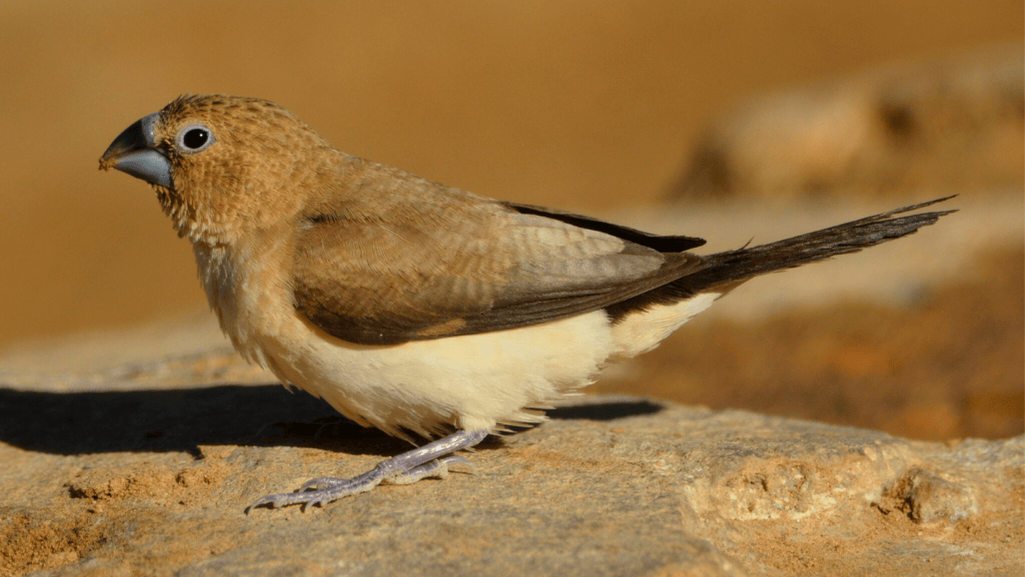
Molecular studies using DNA sequencing have assessed genetic diversity across populations; some analyses indicate local differentiation that may reflect adaptation to arid versus moister habitats. Cite peer‑reviewed genetics papers when discussing adaptive traits (for instance, traits linked to digesting drier seeds), and avoid overstating results from preliminary or unpublished work.
Practical next steps and data sources
For verifiable information, consult: peer‑reviewed journals (search for Euodice/Platycercus/estrildid papers as appropriate), BirdLife species factsheets, IUCN Red List accounts and national bird atlases. To help researchers, submit observations (sightings, nest records, recordings) to eBird and audio repositories; include age/sex if known, note features such as upper tail coverts and rump colour in photo captions, and provide precise dates and locations.
| Research topicTypical outputs | |
| Breeding ecology | Clutch size, incubation and fledging periods, nest site selection (field reports, practical guidance for keepers) |
| Vocalisations | Recordings, sonograms, behavioural context (courtship, territorial calls) |
| Genetic diversity | Population structure, loci linked to diet adaptation (peer‑reviewed papers) |
The Enchanting Songs of the Silverbill Finch
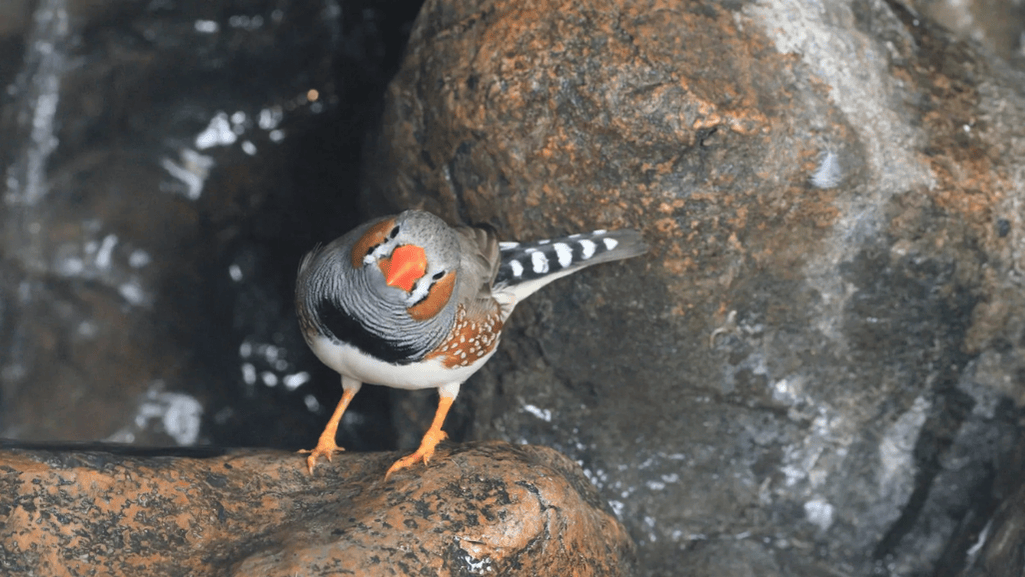
The Silverbill Finch is noted for a clear, melodious vocal repertoire that forms an important part of its behaviour. Individuals produce varied whistles and trills used in social communication, courtship and territory defence. Recordings and sonograms (see References) show distinct phrase types associated with different behavioural contexts.
How to recognise types of call:
- Courtship phrases — often longer, more varied sequences delivered by males during display and territorial interactions.
- Contact and flock calls — short, repetitive notes used while feeding and moving between perches.
- Alarm or defence calls — sharper notes used to warn conspecifics or deter intruders.
Best times to listen: dawn and early morning are peak periods for singing and courtship displays, though contact calls are frequent during daylight while birds are feeding. There is little evidence of nocturnal singing in this species — recordings indicate predominantly diurnal vocal activity.
If you are a recorder or birdwatcher, please upload clean audio samples to repositories such as Xeno‑canto and include contextual notes (behaviour, time of day, number of birds). High‑quality recordings help researchers distinguish courtship from territorial or contact calls and support comparative studies of vocal variation across populations. Also note wing and flight displays when documenting courtship — visual behaviour often accompanies song.
Promoting Avian Conservation
Conserving the Silverbill Finch and other birds depends on protecting habitat, reducing harmful trade and engaging communities. Practical, evidence‑based actions—at local and landscape scales—deliver results for species persistence and the wider health of grassland and savannah ecosystems.
Birds contribute many ecosystem services (seed dispersal, pest control and indicators of habitat health). Note: Silverbill Finches are primarily seed‑eaters and are not major pollinators; any statement about pollination should be reserved for nectar‑feeding species. Protecting nesting sites, native grasses and feeding areas is central to effective conservation.
Community engagement and education build local stewardship. Share identification resources, run school programmes on native grasses and nesting habitat, and promote responsible birdwatching to reduce disturbance. Use social media and local events to highlight the role of small colony‑forming finches and how people can help.
Top actions to help Silverbill Finches
- Support habitat protection: donate or volunteer with groups working to conserve grasslands and open woodlands.
- Record sightings: submit observations and photos (include date, location, age/sex if known) to eBird and local atlases to aid monitoring.
- Avoid buying wild‑caught birds: acquire only from licensed, ethical breeders and request documentation where required.
- Report illegal trade: notify local wildlife authorities if you suspect unlawful capture or sale.
- Educate: run or support local outreach about nesting habitat, the importance of native grasses and responsible birdwatching.
Conservation strategies (summary)
| Conservation strategyRationale / actions | |
| Habitat protection | Safeguard and restore key grassland and open woodland sites; support sustainable agricultural practices that maintain seed sources. |
| Education and outreach | Promote responsible birdwatching, identify local nesting habitats and support community stewardship projects. |
| Combating illegal trade | Strengthen enforcement, reduce demand through awareness and support ethical, licensed breeding programmes. |
Conclusion
The Silverbill Finch is a small, charismatic finch notable for its silver‑grey plumage and melodious calls. As a primarily seed‑eating species, it occupies grassland, savannah and scrub habitats across parts of Africa and contributes to local ecological networks. While globally not classed as threatened, local pressures such as habitat change and illegal capture can affect populations, so vigilance and conservation action remain important.
Protecting this species means protecting the grassy places and edges it needs to feed and nest. Practical steps — supporting habitat restoration, avoiding purchase of wild‑caught birds, contributing sightings to citizen‑science platforms and backing local conservation groups — all help ensure Silverbill Finches and other birds continue to thrive for future generations.
If you would like to get involved: record sightings on eBird, support local grassland conservation groups, or contact a regional ornithological society to learn about volunteer opportunities and ethical aviculture. Every action helps conserve not only the Silverbill Finch but the wider web of life it supports.
FAQ
What is a Silverbill Finch?
Where are Silverbill Finches found?
How can you identify a Silverbill Finch?
What are the breeding habits of Silverbill Finches?
What do Silverbill Finches eat?
Are Silverbill Finches endangered?
Do Silverbill Finches migrate?
Can Silverbill Finches be kept as pets?
What research has been conducted on Silverbill Finches?
How can we contribute to the conservation of Silverbill Finches?


 English