
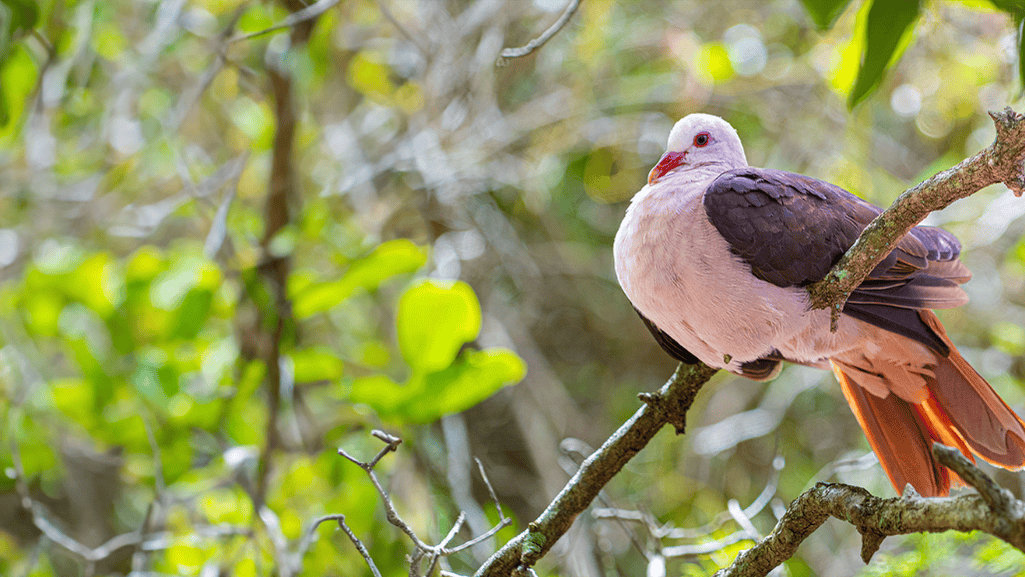

Breaking news: the pink pigeon is back in headlines after a new genetic study warns that numbers alone may not secure its future. Conservation teams celebrate releases and growing flocks, but researchers now flag inbreeding risks that could undo decades of gains.
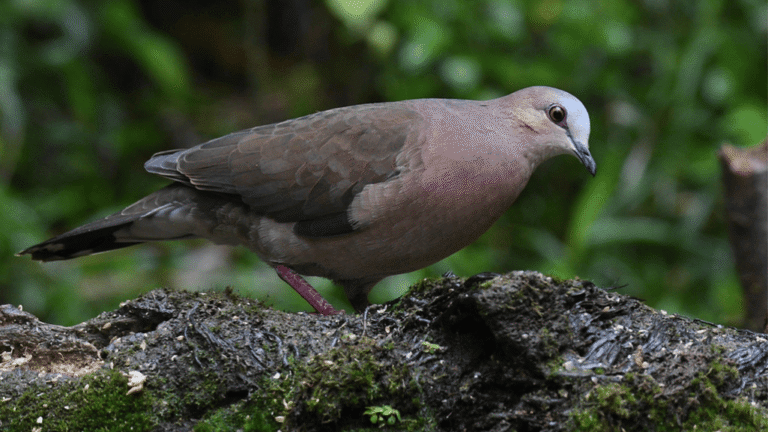
The pink pigeon is an endemic Mauritian species tied to the island’s unique history and the dodo’s legacy. This native pigeon rebounded from near-extinction thanks to focused breeding and habitat work.
Yet the story has a steady tension: upbeat population counts versus a quieter genetic decline. Success today often means active management — targeted breeding, releases from zoos, disease response, and long-term monitoring rather than a single victory.
For readers in the United States, this news highlights how modern conservation blends hands-on care with genetics and habitat planning. In this article you will read about recent zoo releases, Mauritius’ long recovery arc, and the remaining threats shaping outcomes.
Key Takeaways
- The pink pigeon draws fresh attention after a genetic study raises alarms.
- This endemic island species recovered through managed conservation.
- Population gains do not erase genetic risks to long-term survival.
- Modern recovery requires breeding decisions, releases, and monitoring.
- U.S. readers will learn how genetics and habitat management guide action.
Why the Pink Pigeon is back in the news
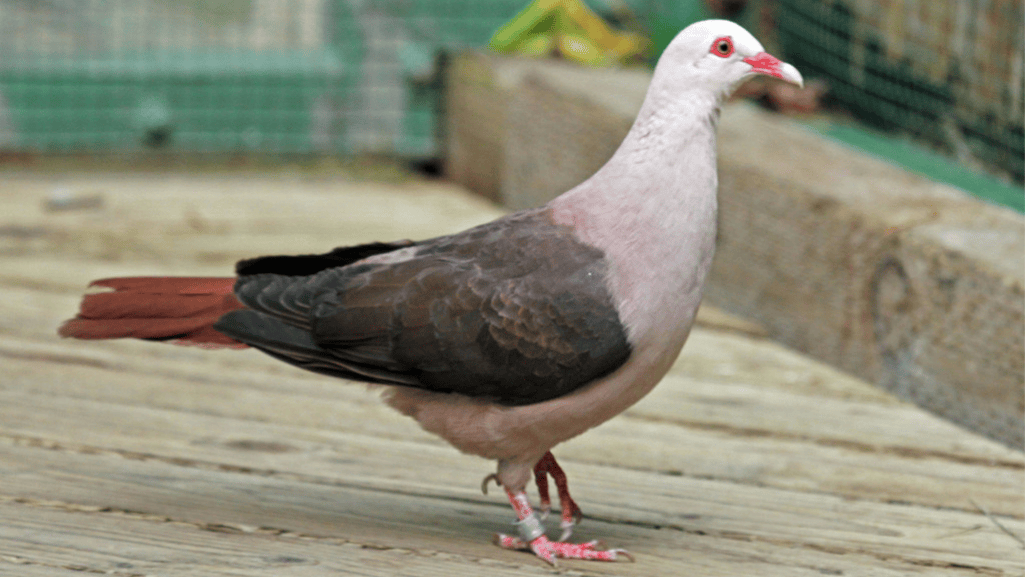 Durrell’s move to send captive-bred birds to Mauritius pushed genetics back into the headlines. In December 2025 Jersey Zoo transported four captive-bred pink pigeon individuals to the Gerald Durrell Endemic Wildlife Sanctuary. Durrell’s Curator of Birds Harri Whitford oversaw quarantine and settling, showing this was a genetics-driven transfer, not a symbolic release.
The story matters because small additions can carry rare gene variants. Those variants help reduce inbreeding risk and strengthen long-term resilience.
Numbers tell part of the tale: intensive breeding, releases, and habitat work grew the population from about ten to an estimated 500–600 over roughly 40 years. Yet genetic studies warn that without ongoing genetic rescue, extinction remains possible in 50–100 years.
What this signals for conservation
- Collaboration: zoos, field teams, and governments working across years.
- Focus: success is now measured by genetic diversity as well as head counts.
- Next steps: targeted breeding and more strategic releases to boost diversity.
“Continued interventions are required to keep this species viable for the long term.”
Pink Pigeon conservation on Mauritius: a comeback shaped by people, predators, and habitat
Conservation on Mauritius evolved into an intensive, hands-on effort to save an island species. Human-driven land clearing and the arrival of new mammals changed the island’s ecology. That loss left tiny forest refuges where survival remained possible.
Where the species lives and why Mauritius matters for global biodiversity
Mauritius sits in the southern Indian Ocean near Réunion and Madagascar. It is a biodiversity hotspot with many endemic birds and plants. When only about 1.5% of original good-quality forest remained, upland woods became critical refuges.
How introduced predators and forest loss pushed the wild population to single digits
Introduced predators—cats, mongoose, macaques and rats—decimated nesting success and adult survival. The wild population crashed: roughly 20 birds in the mid-1970s, 12 by 1986, and a nadir of nine in 1990. Those lows made intervention unavoidable.
Captive breeding, reintroductions, and managed subpopulations across the island
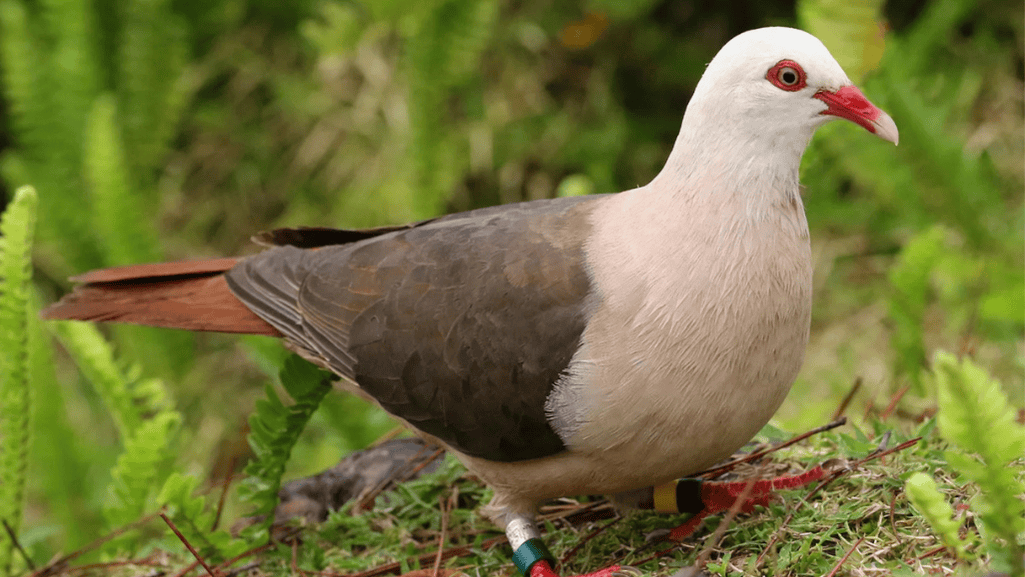
Captive breeding began in 1976 and first releases started in 1987. Today, recovery relies on managed subpopulations to reduce risk.
- Black River Gorges: six managed groups inside the national park.
- Ile aux Aigrettes: a predator-free site supporting another subpopulation.
- Ferney & Chamarel Ebony Forest: sites being developed to spread numbers and genes.
These coordinated actions explain why recent releases and genetic efforts matter: decades of active management rebuilt a wild base that conservation teams now aim to sustain and diversify.
What still threatens pink pigeons despite rising numbers
Numbers climbed, yet genetic decline and habitat pressures keep the recovery fragile. Conservation teams celebrate releases, but scientists warn that head counts alone do not secure long-term survival.
Genetic bottlenecks and inbreeding
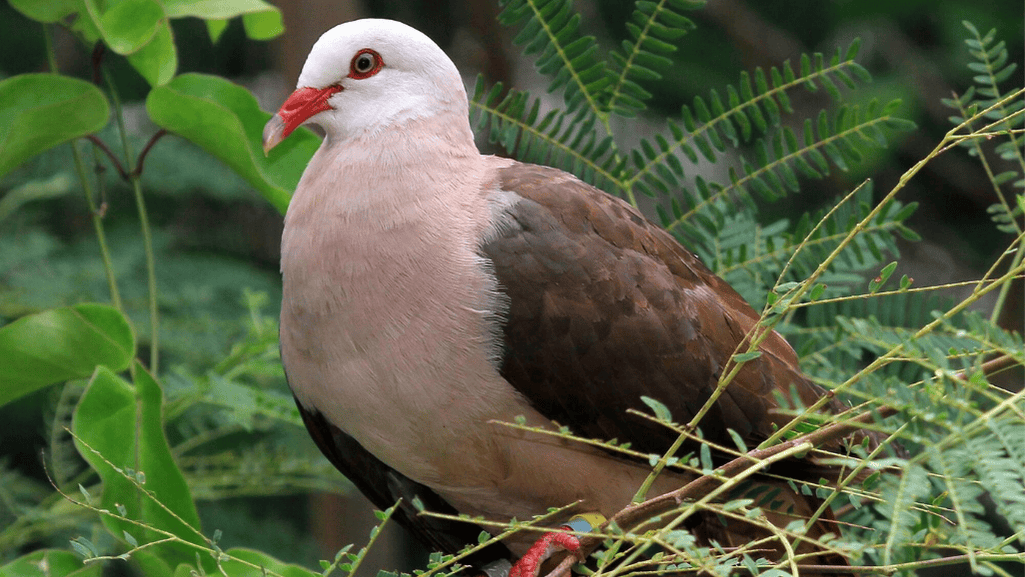
Why population size isn’t the whole story: repeated drops to roughly ten founders left high relatedness and rapid loss of diversity. That raises homozygosity and lets harmful variants build up, increasing extinction risk in 50–100 years unless genetics improve.
Mixing wild and captive gene pools
Scientists recommend ongoing genetic rescue: genotyping to pair the least-related birds, coordinated breeding plans, and repeated reintroductions so gains persist. Zoos hold crucial genes; integrating captive lines can boost the wild population’s resilience.
Habitat, disease, and field tools
Invasive plants reduce native food and nesting quality. Trichomonosis can kill over half of chicks and hits weakened populations hardest.
- Banding and color rings for individual tracking.
- Regular nest checks and detailed monitoring.
- Feeding platforms and targeted predator control on release sites.
Red List vs. Green List signals
Downlisted to Vulnerable, the species still faces hidden genetic threats. Experts urge pairing census data with genetic measures and recommend reading the full genetic risks and a wider species profile for context.
“Success so far comes with a warning: long-term viability needs repeated action and funding.”
Conclusion
The rebound in census figures is real, but the next phase must focus on genetic health and habitat repair.
The island teams and partner zoos use targeted breeding and planned releases to strengthen the wild gene pool. Ongoing moves from captive programs back to Mauritius aim to reduce inbreeding and lift resilience.
Watch for continued releases, signs of higher genetic diversity, lower chick mortality, and steady habitat restoration. These outcomes will show whether the recovery is durable, not just a rise in numbers.
Field teams, the Mauritian Wildlife Foundation, the National Parks and Conservation Service, Durrell, Chester Zoo, and Paignton Zoo deserve thanks for coordinated work.
Final line: this pigeon remains a living test case for balancing population gains with genetic resilience and ecosystem repair.
FAQ
What is driving renewed coverage of the species?
How many birds remain in the wild compared with historic lows?
Why is Mauritius so important for this bird’s survival?
What caused the population crash to single digits originally?
How have captive breeding and reintroductions been used?
Why do rising counts not eliminate extinction risk?
What role do zoo gene pools play in recovery?
Which habitat issues still limit recovery?
What field actions help protect remaining wild birds?
How should I interpret Red List and Green List labels for this species?
Can zoos and local communities work together effectively?





 English