

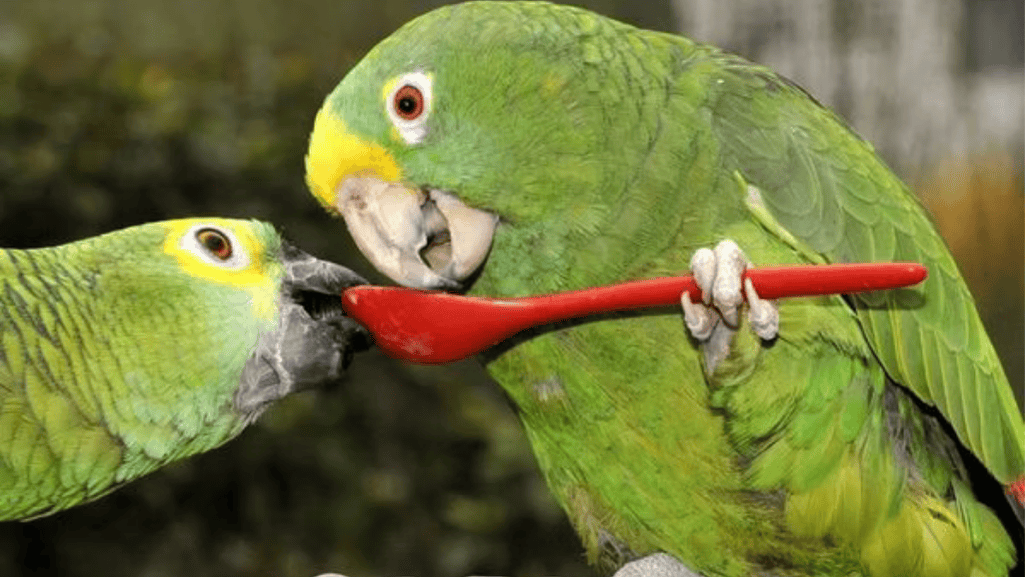

Bringing a long-lived companion into your home is rewarding and demanding. With over 350 species in the wild, these intelligent birds need thoughtful housing, diet, and social time. Some larger birds can live up to 70 years when given excellent husbandry and veterinary attention.
Daily enrichment and steady routines matter. Mental stimulation, safe out-of-cage time, and consistent sleep (10–12 hours) prevent boredom and behavior problems. Good care also covers nutrition, training, grooming, and vet checkups.
Before you choose a species, learn about lifespan, space needs, and noise levels. Safety topics include avoiding non-stick fumes, limiting metal toxicity risks, and keeping kitchens off-limits. A balanced Parrot Care Tips should favor high-quality pellets and vegetables, with fruits and treats used sparingly.
Key Takeaways
- These birds are a long-term pet commitment; some live decades.
- Daily enrichment and social interaction reduce problem behaviors.
- Focus on housing, nutrition, training, and regular vet visits.
- Watch for household hazards like non-stick fumes and certain metals.
- Establish a stable routine for sleep, out-of-cage time, and grooming.
Quick-Start Parrot Care Essentials for a Happy, Healthy Bird
Start your bird’s routine with small, consistent habits that support health and happiness. Set aside daily supervised out-of-cage time for exercise, social interaction, and mental play. Short, predictable sessions reduce boredom and problem behavior.
Hygiene and safety matter every day. Dump and wash food and water bowls each morning, and refresh water as needed after messy meals.
Spot-clean the cage tray daily and deep-clean bars, perches, and toys weekly to limit dust and respiratory irritants. Choose a safe parrot cage made from bird-safe materials and avoid lead, zinc, or flaking coatings that can cause metal toxicity.
Offer a rotation of natural-material toys—untreated wood, bird-safe paper, and raffia—for chewing and foraging. Use small, healthy treats only during short training moments like step-up practice.
- Keep the cage away from kitchens and aerosols.
- Provide 10–12 hours of quiet sleep each night.
- Track weight and appetite and schedule regular avian vet visits.
- Plan a bird-proofed indoor play area for safe exploration.
Choosing the Right Parrot Species for Your Home and Lifestyle
Choosing the right companion starts with matching a bird’s lifespan and habits to your daily routine. Think about space, noise tolerance, and how much time you can give each day. Smaller species may fit apartment life, while larger ones need room to stretch.
Popular pet parrot species and lifespans in the United States
Common companion species vary widely in size and longevity.
Typical examples include budgies, cockatiels, lovebirds, conures, African Greys, Amazons, and macaws. Average lifespans: macaws (50–80 years), Amazons (40–70), African Greys (40–60), cockatiels (15–20), budgerigars (5–10).
Time commitment, space, and experience: making the right match
Weigh daily availability against social needs. Highly intelligent birds like African Greys and Amazons demand a lot of engagement and training.
- Compare species by size, temperament, and lifespan to set realistic expectations.
- Consider house layout and cage footprint—larger birds need more play area and stronger cages.
- Match your experience level: budgies and cockatiels often suit first-time owners, while macaws and Amazons can challenge novices.
- Factor in noise, budget for sturdy equipment, and plans for long-term care if life circumstances change.
- Check compatibility with other animals in the house and schedule a vet exam soon after adoption.
Setting Up the Ideal Parrot Cage: Size, Materials, and Safe Layout
Cage size and layout set the foundation for health and safety. Choose an enclosure that lets your bird fully extend both wings without touching the sides. Make sure tail feathers do not brush the tray during normal movement.
Bar spacing and strength matter. Verify gaps fit the species to prevent trapped toes, heads, or beaks. Avoid thin or decorative cages; strong-beaked birds can bend weak wires.
Safe materials and metal toxicity
Make sure the cage has bird-safe finishes. Avoid lead, zinc, or flaking coatings that a bird can chew and ingest. Metal toxicity is preventable when materials are vetted before purchase.
Perches and space planning
Use natural wood perches with varied diameters to promote foot health. Position perches to keep droppings out of bowls and to create distinct resting, feeding, and play zones.
Cleaning routine
Replace tray liners daily and wash food and water bowls before each refill. Deep-clean bars, perches, and toys weekly and rotate spare perches so the cage stays functional during cleaning.
- Size first: allow full wing spread and tail clearance.
- Check bar spacing for species safety.
- Keep spare perches and bowls for rotation during cleaning.
Where to Place the Cage: Home Environment, Fumes, Light, and Drafts
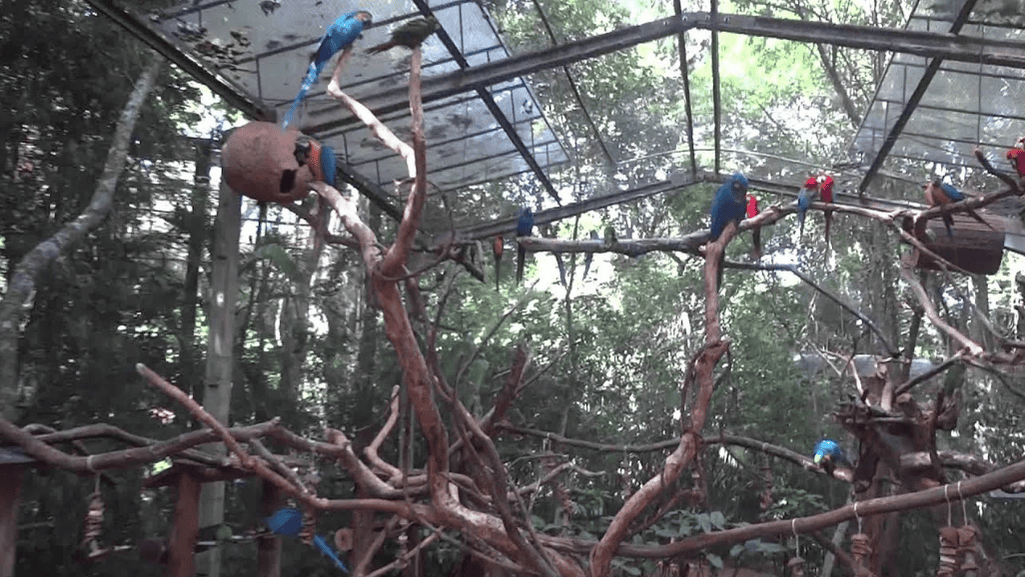
Placement matters: the wrong room can expose your bird to silent hazards. Choose a low-stress spot in the house where the companion can watch family life but still retreat to a corner for privacy.
Keep kitchens and heat hazards off-limits
Avoid kitchens entirely. Non-stick/Teflon cookware can emit fumes that are rapidly fatal to birds. Keep the parrot cage away from stoves, hot pans, and open flames to prevent burns and toxic exposure.
Watch windows, drafts, and damp rooms
Make sure the cage does not sit in direct, intense sunlight or cold drafts. Laundry rooms, damp basements, or areas with mold invite respiratory issues.
- Avoid rooms where aerosols, perfumes, or cleaning sprays are used; fumes irritate sensitive lungs.
- Pick a spot with moderate ambient noise; constant loud sounds increase anxiety and behavior issues.
- Reassess placement seasonally—heating and AC cycles can change the environment quickly.
If your parrot shows stress—excessive calling, feather ruffling, or avoidance—relocate the cage and monitor for improvement.
Temperature and Humidity: Creating a Comfortable Climate
A steady room climate can prevent respiratory and feather problems in companion birds.
Aim for stability. Avoid rapid temperature swings and drafty spots. As a general starting point, keep the bird’s area above 70°F if you’re unsure of species-specific needs.
Use only bird-safe heaters. Choose units without non-stick coatings and keep cords out of beak reach. Never place heating elements where chewing or contact can occur.
Humidity, bathing, and feather health
Humidity supports skin and feather condition and helps respiratory health. Many parrots respond well to periodic misting or short sessions of warm shower steam.
“Regular, gentle water exposure can improve feather quality and reduce dry-skin problems.”
Offer water-based bathing options: a shallow dish, sink play, or a gentle spray. Observe your bird’s preferences and never force bath time.
- Aim for steady indoor temperature; log day and night readings to check stability.
- Position cages away from vents and direct drafts; add a humidifier if air is dry.
- Watch for signs of low humidity—stress bars, dull feathers, or plucking—and consult an avian vet.
For more on feather health research, see studies on feather health.
Enrichment and Toys: Daily Stimulation to Prevent Boredom
Simple, rotating play stations transform idle time into productive stimulation for companion birds.
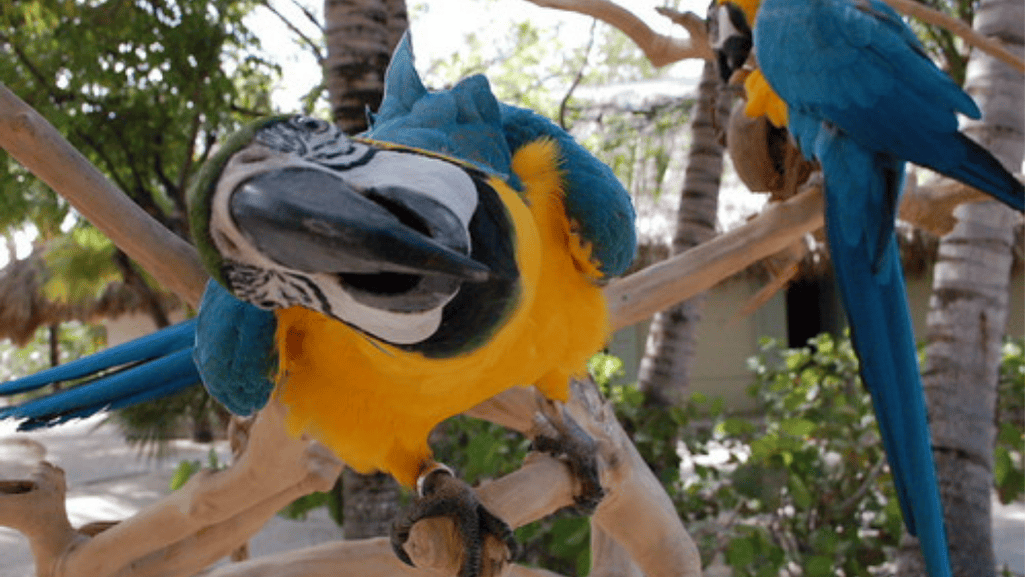
Build a small daily enrichment plan that mixes chew, shred, and puzzle challenges. Use only natural materials: untreated wood, bird-safe paper, and raffia. These reduce risk of ingestion and metal toxicity.
Safe toy materials
Avoid metal, rubber, or plastic toys that can cause blockage or lead/zinc exposure. Natural toys break down safely and encourage shredding behavior.
Foraging and rotation
Introduce foraging by hiding treats in paper cups, cardboard, or commercial foraging devices. Rotate items weekly to keep novelty and lower boredom.
- Offer a mix of shreddables, puzzles, and chewables each day.
- Vary perches with different textures and diameters to strengthen feet and joints.
- Create supervised play space outside the cage to expand the bird’s activity space.
Watch for signs of frustration or repetitive behaviors and swap toys or change the routine to address those issues. Clean or replace soiled natural toys often to keep enrichment safe for your pet.
Daily Routine: Out-of-Cage Time, Socialization, and Sleep
A steady daily rhythm helps birds feel secure and behave well. Schedule at least one supervised out-of-cage session every day for exercise, play, and social interaction. Brief, focused sessions boost muscle tone and mental stimulation.
Set a simple, predictable routine for feeding, interaction, training, and bedtime. Consistency reduces anxiety and makes training more effective. Use short bursts of activity several times across the day instead of one long session.
- Schedule daily supervised exercise in a bird-proofed home area to support coordination and enrichment.
- Create a safe play zone with stable perches, chew toys, and climbing options away from cords and open water.
- Aim for 10–12 hours of sleep each night in a dark, quiet space to stabilize mood and immune health.
- Rotate play stations for fresh stimulation while keeping the overall day predictable.
Observe energy peaks and plan training when your pet is most alert. Keep a brief log at first to fine-tune timing that helps you keep parrot interactions calm and effective.
Parrot Diet and Nutrition: Pellets, Vegetables, Fruits, and Water
What a bird eats shapes its energy, mood, and long-term health. Center each meal on a high-quality pellet formula to provide consistent vitamins and minerals. Avoid seed-heavy mixes; they are high in fat and leave nutritional gaps.

Build a daily fresh salad of roughly 70% vegetables and 30% fruit. Offer leafy greens, bell peppers, and grated carrots in small pieces. Limit fresh fruits to prevent excess sugar and rotate produce through the week for variety.
- Pellets first—read labels and pick reputable brands without unnecessary dyes or fillers.
- Give limited treats like nuts during training; keep portions tiny to avoid weight gain.
- Ensure fresh water is available and wash bowls before each refill to prevent bacteria.
- Some species (lories/lorikeets) need nectar-style diets—consult an avian vet for specifics.
Introduce new foods slowly and encourage sampling by hiding vegetables in foraging toys. For more on balanced feeding and what parrots eat, see what do pet parrots eat.
Foods to Avoid: Protect Your Bird from Common Kitchen Hazards
Not all human food is safe—certain common ingredients can cause fast, serious reactions in companion birds.
Know which items are toxic and which add empty calories. Avoid avocado, chocolate, caffeine, onion, garlic, and alcohol. These can cause heart, liver, or respiratory failure in small animals.
High-risk items and household rules
- Dangerous foods: avocado, chocolate, caffeine, onion/garlic, and heavily salted or seasoned snacks.
- Exclude table scraps: do not give dairy, eggs, meat, raw potatoes, or starchy leftovers—these upset digestion and metabolism.
- Watch dried fruits: concentrated sugars promote weight gain and imbalance compared with fresh fruits and vegetables.
Practical steps to prevent accidental exposure
Make sure family and guests know what not to give parrot companions. Store safe food separately to avoid cross-contamination.
“If ingestion is suspected, contact an avian veterinarian immediately.”
Phase out seed-heavy mixes; they are high in fat and low in essential vitamins. Monitor your bird after any diet mistake and build a simple fridge list of yes/no foods for caregivers.
Parrot Behavior, Noise, and Mimicking: What to Expect
Vocal habits and body language reveal a lot about your bird’s comfort and mood. Larger parrots often make louder calls and may not fit well in shared-wall apartments. Smaller species tend to be quieter but still have morning and evening calling routines.
Not every bird will mimic speech. Parrots that do usually respond to gentle, consistent training and repeated, short sessions. Patience and positive reinforcement increase the chance a bird will use sounds in context.
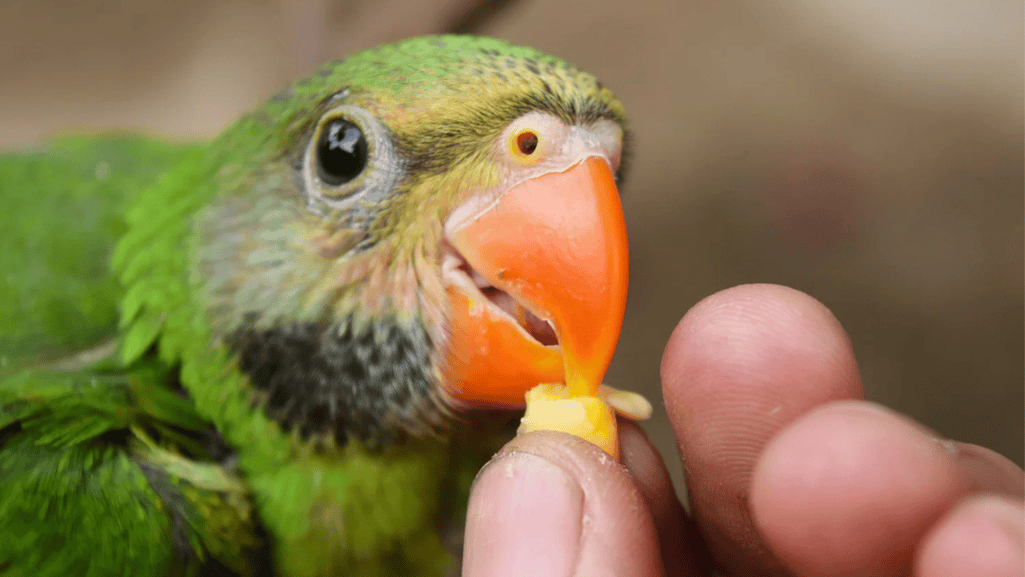
Watch body cues. Eye pinning, feather ruffling, and posture shifts signal mood changes. Sudden, sustained screaming or destructive chewing can point to unmet needs, boredom, or health issues. Document patterns and share them with your avian vet if problems persist.
“Daily structure and varied enrichment reduce noise and destructive behaviors.”
- Set realistic volume expectations by species before bringing a bird into a house with neighbors.
- Track seasonal or age-related reproductive signs—nesting, regurgitation—and consult a vet for management.
- Use short training sessions to redirect energy and reward calm behavior with praise and tiny treats.
- Rotate toys and socialize with multiple family members to prevent over-bonding and separation distress.
Training Your Pet Parrot: Practical Parrot Care Tips That Work
Consistent short sessions build trust and make new behaviors stick. Positive reinforcement is the foundation: reward calm responses and avoid punishment. Teach a reliable “step up/step down” as your first handling skill.
Keep training simple and daily. Short bursts of practice fit a bird’s attention span and help the behavior become part of the routine. Use tiny, healthy treats only during training to prevent weight gain.
Positive reinforcement, step up/step down, and daily practice
Begin each session with a clear verbal cue and a neutral hand position. Reinforce every correct step with calm praise and a small reward. Over time, raise the criteria slowly so the behavior stays reliable across rooms.
Treat strategy, patience, and preventing bad habits
- Start with step-up: this builds trust and safe handling; mark and reward each success.
- Keep sessions brief and regular—frequent repeats make behaviors stick without stress.
- Use high-value treats sparingly and reserve favorites for real learning moments.
- Avoid punishment; redirect unwanted actions and reward the alternative behavior instead.
- Introduce a variety of simple cues—targeting, perching, and stationing—to channel energy positively.
Track progress and break hard tasks into smaller steps. When unsure, review basic taming basics to reinforce safe, humane methods. End every session on a success to keep training enjoyable for your pet parrot.
Vet Care and Health Monitoring: Preventive Checkups and Red Flags
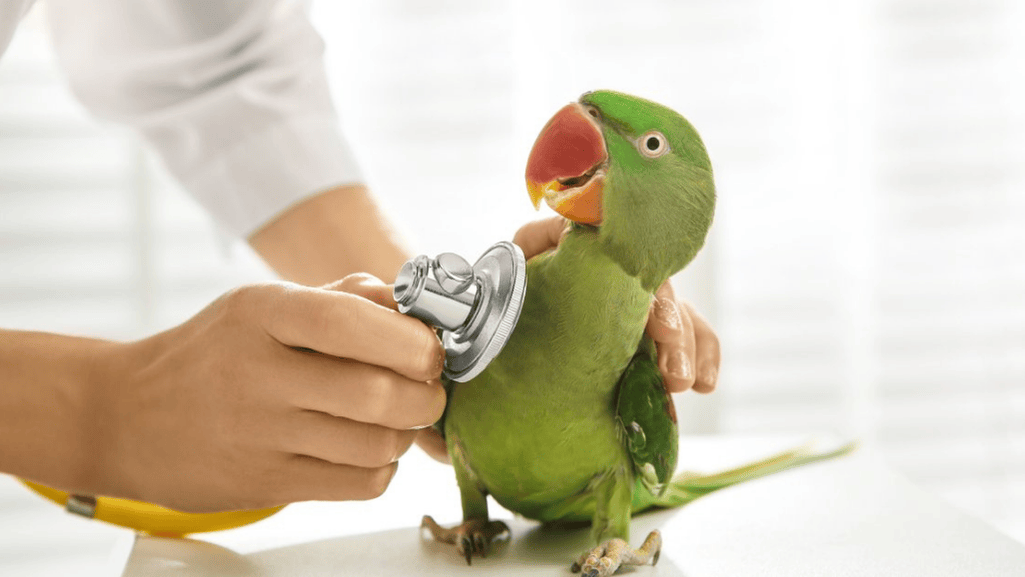
Regular veterinary exams catch subtle changes before they become emergencies. Schedule wellness visits every 6–12 months, more often for young, elderly, or sick individuals.
What to expect at an exam: a full physical, weight check, heart and lung auscultation, sinus and oral inspection, eye and ear review, fecal testing, and recommended annual bloodwork.
Recognizing warning signs
Watch daily for lethargy, changes in appetite or droppings, breathing difficulty, or a fluffed posture low in the cage. Sudden feather loss or plucking needs prompt attention.
Urgent problems include vomiting, ocular or nasal discharge, trauma, weakness, or collapse. Contact your avian vet immediately if these occur.
Common health issues to discuss
- Metal toxicity from lead or zinc exposure.
- Nutritional deficiencies and GI overgrowth tied to poor diet.
- Cardiovascular, viral, and reproductive disorders, plus trauma and infections.
Make sure you keep a simple health log of weight, appetite, droppings, and behavior. Build a relationship with a qualified avian vet and have an after-hours emergency plan for your pets.
Grooming Basics: Nails, Wings, Beak, and Bathing
Simple, calm maintenance prevents overgrowth and helps spot health problems early. Weekly checks of nails, wings, beak, and feathers make routine maintenance easier. Grooming builds trust when paired with short, positive training sessions.
Professional wing trims and safe nail care
Schedule nail trims with an avian vet or an experienced professional to avoid cutting the quick. If you choose wing trims for safety, have a vet perform them to prevent over-trimming, falls, or broken blood feathers.
Handle grooming calmly and pair it with gentle training. This reduces stress and makes future sessions easier for both you and your bird.
Natural beak maintenance with wood toys and perches
Encourage natural beak wear by offering chewable wood toys and varied-diameter natural perches. These items help maintain shape and reduce the need for forced beak trims.
- Avoid routine beak trims unless a vet finds deformity or overgrowth.
- Rotate perches and toys to promote even wear and good foot health.
- Clean grooming tools and bathing containers after use to limit pathogens.
- Support feather health with misting, shallow baths, or shower sessions as preferred by the bird.
“Monthly monitoring and vet coordination keep grooming simple and safe.”
Conclusion
Healthy birds thrive when their home, diet, and daily routine work together in simple, repeatable ways. Prioritize safe housing away from kitchen fumes, a balanced pellet-and-vegetable diet, daily enrichment, and 10–12 hours of sleep. Keep fresh water available, uphold bowl hygiene, and deep-clean weekly to protect overall health.
Small, steady improvements matter: refine cage layout, rotate toys, and keep training sessions positive and brief. Maintain regular avian vet visits and act quickly on red flags. Celebrate the trust you build with respectful handling and patience, and tailor all care to species needs. Share these tips with family so everyone supports a safe, engaging home for your pet parrot. For questions or to contact an avian expert, reach out anytime.
FAQ
What basic supplies do I need to welcome a new bird into my home?
How large should the cage be for a medium-sized companion?
Where is the safest place to put the cage in my house?
What temperature and humidity are best for general household birds?
How often should I clean the cage and food bowls?
What is a balanced diet for a companion bird?
Which common foods are toxic and must be avoided?
How much out-of-cage time does a companion bird need?
What kinds of toys and enrichment are best to prevent boredom?
How should I approach training and socialization?
When should I take my bird to an avian veterinarian?
How do I manage grooming: wings, nails, beak, and bathing?
What noise levels and behaviors are normal for companion species?
Are certain species better for first-time owners?
How can I prevent metal toxicity and other environmental hazards?
What signs indicate an emergency requiring immediate action?





 English