 Skip to content
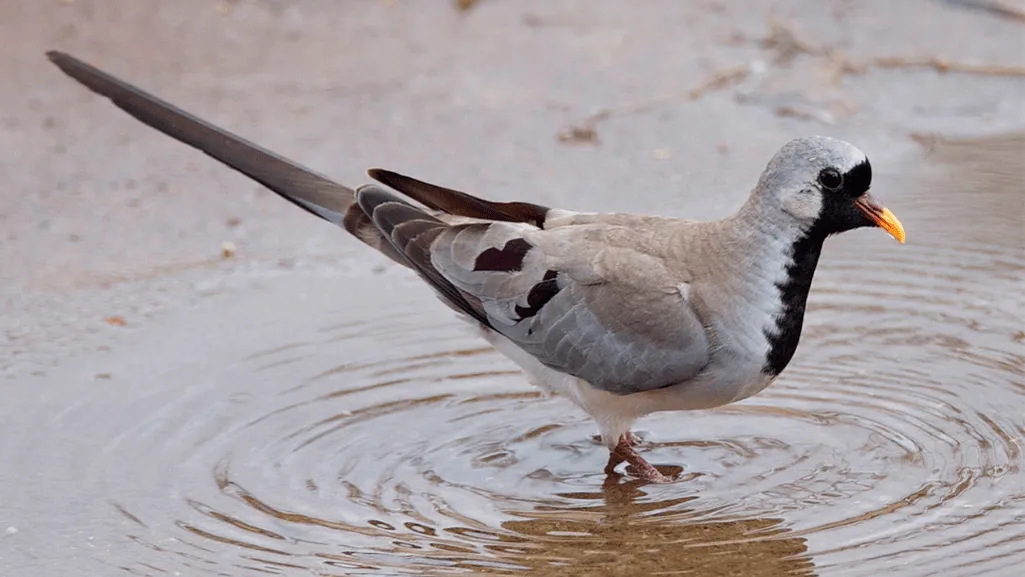

The Namaqua Dove, Oena capensis, is a delicate emblem of Africa’s dry landscapes. Often cited as one of the smallest dove species on the continent, it is notable for its long, graceful tail and slender build that suits life in semi‑arid habitats.
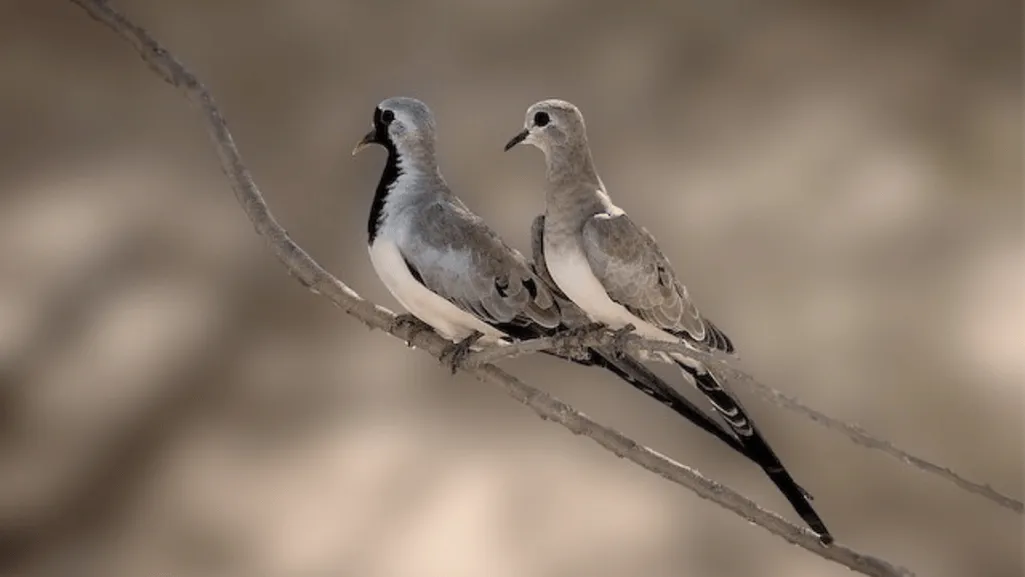
Favored by nature photographers and birders, the Namaqua Dove is a distinctive small bird with clear sexual dimorphism: males show a striking black face and throat with a yellow‑and‑purple bill, while females and juveniles are more subdued, patterned with wing spots that help them blend into scrub and grass. Typically a ground forager, this dove picks seeds from bare soil, short grass, or around low shrubs.
These birds are most often encountered in open Acacia savannas and dry shrublands across parts of southern Africa. They form strong pair bonds (monogamous in their breeding behavior) and are more commonly seen in open, lightly vegetated areas than in dense forests.
Key Takeaways
– The Namaqua Dove (Oena capensis) is among Africa’s smallest doves, notable for a long, elegant tail and slim profile.
– Found widely across southern Africa, this species favors semi‑arid and open habitats rather than dense urban areas.
– Typical measurements: total length roughly 24–27 cm and an average weight near 40 g (see detailed section for range and sources).
– Sexual dimorphism is clear: males display a black face, throat, and upper chest with a yellow‑and‑purple bill; females and juveniles are paler with wing spotting.
– Pairs are generally monogamous during the breeding season, forming stable bonds; social foraging and visits to waterholes are common behaviors.
– In flight the wings show rufous tones, and these doves are frequently observed drinking and cooling off at water sources during warmer parts of the day.
– For more on identification, range, and conservation status (including Birds of the World references), read on to the Appearance, Habitat, and Conservation sections below.
Namaqua Dove
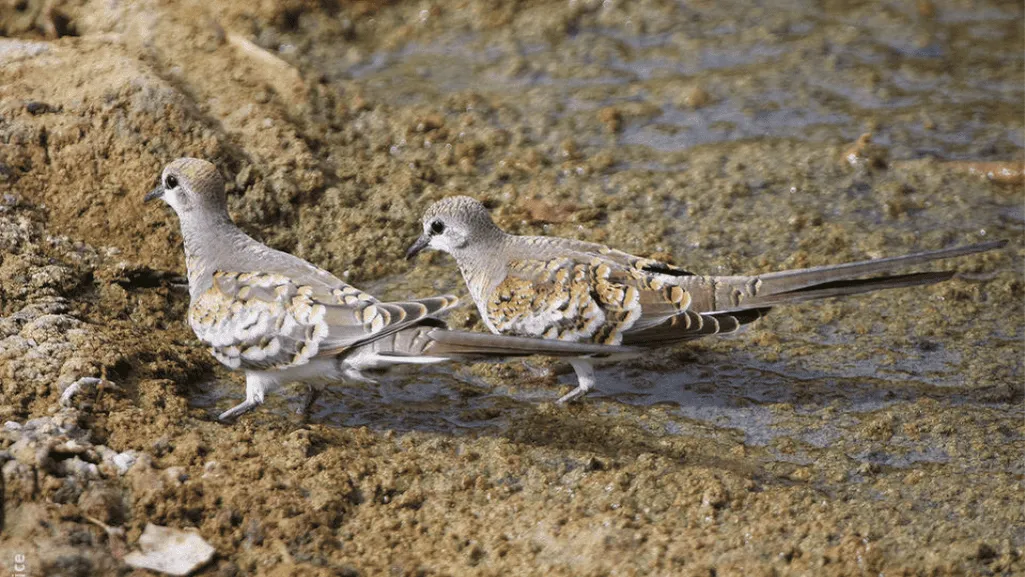 The Namaqua Dove (Oena capensis) is a sleek, small species that combines delicate appearance with surprising aerial agility. Though compact in size, this bird’s long tail and streamlined body give it nimble flight suited to open, semi‑arid habitats.
Male Namaqua Doves are unmistakable at close range: a black face, throat, and upper chest contrast with a paler body and a yellow‑and‑purple bill. Females and juveniles are much paler and more cryptic, with fine wing spotting that helps conceal them among grasses and low shrubs—useful identification cues for birders in the field.
Strong, relatively large wings let this species take off quickly and fly with speed and precision. Observers also note an unusual drinking posture: Namaqua Doves can drink by dipping their bill to the water and sipping without a pronounced upward head tilt, a behavior highlighted in several field accounts.
Feature Description
Average Length ~24–27 cm (total length range reported in field guides)
Average Weight ~40 g (individuals may fall within a broader published weight range)
Plumage – Male Black facial/throat patches; colorful bill
Plumage – Female Paler tones with wing spotting for camouflage
Wing Proportion Large relative to body mass—supports quick ascent and agile flight
Drinking Behavior Capable of sipping water with minimal head lift (noted in observational studies)
The Namaqua Dove’s adaptability across open habitats makes it rewarding for both casual birdwatchers and researchers studying arid‑adapted species.
Exploring the Namaqua Dove Habitat Across Africa
Namaqua Dove Habitat
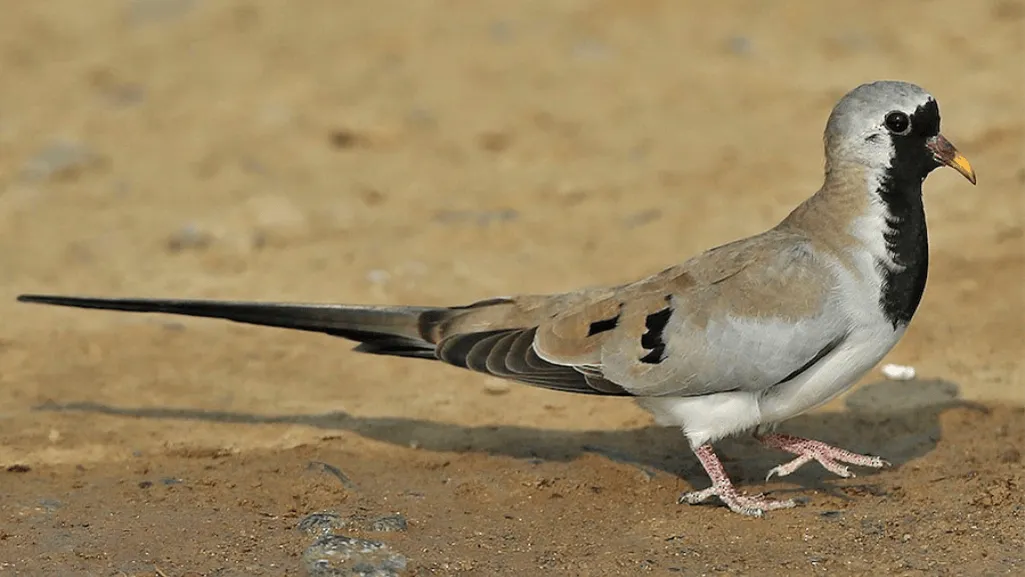 The Namaqua Dove (Oena capensis) occupies a wide range across southern and parts of eastern Africa, showing notable adaptability to dry, open landscapes. In Namibia it occurs from coastal scrub to the arid Namib hinterland, making use of sparse vegetation, patches of grass, and rocky ground.
In South Africa the species is common in the Northern Cape and stretches into parts of the Western Cape; populations are also well established in the Kalahari region of Botswana and across the Zambezi Valley in Zimbabwe. Records exist elsewhere in southern Africa and scattered localities further north—consult regional checklists for confirmed occurrences in specific countries.
Preferred habitats include Acacia savannas, dry shrublands, open woodlands, grasslands, and scrub—essentially lightly vegetated areas that provide exposed ground for seed foraging and low cover for nesting. The Namaqua Dove generally avoids dense forests and heavily urbanized environments.
These doves readily use human‑modified landscapes such as fallow fields, farm edges, and watering points, which demonstrates their ecological flexibility. For precise distribution maps and seasonal reports, refer to resources like eBird, IUCN range maps, or Birds of the World.
Note: mentions of specific parks (e.g., Masai Mara) should be checked against local occurrence records—some sites may host only occasional or vagrant individuals rather than regular breeding populations.
A Glimpse into the Namaqua Dove Diet and Foraging Habits
Namaqua Dove Foraging
The Namaqua Dove (Oena capensis) is primarily a ground‑feeding species adapted to seed‑rich, open habitats. Its foraging strategy and diet let this small bird persist across semi‑arid areas where other food sources are limited.
Seed Seekers: The Diet of the Namaqua Dove
Oena capensis feeds largely on seeds and small grains produced by annual grasses and low herbaceous plants. While seeds make up the bulk of the diet, occasional small invertebrates may be taken, especially when feeding young. This seed‑focused niche reduces direct food competition with many insectivorous or foliage‑feeding birds.
Movement and Foraging Range
These doves may move locally in response to seed availability rather than undertaking long‑distance migrations; in dry seasons they commonly expand their search area to find adequate food. Observers report increased movements after rains when annual grasses seed.
Ground Foragers: Searching for Sustenance in the Wild
Namaqua Doves forage primarily on bare ground, short grass and among low shrubs, often in small groups or mixed flocks at farmland edges. Group foraging helps reduce predation risk and improves detection of seed patches. They are most active at dawn and dusk but may feed through the day near reliable water or food sources.
Understanding the species’ feeding ecology (seasonal seed availability, preferred seed types, and use of agricultural fields) is important for conservation and for birdwatchers seeking to locate these doves—consult regional field guides and local eBird reports for seasonal observations in your area.
Namaqua Dove
Namaqua Dove in flight
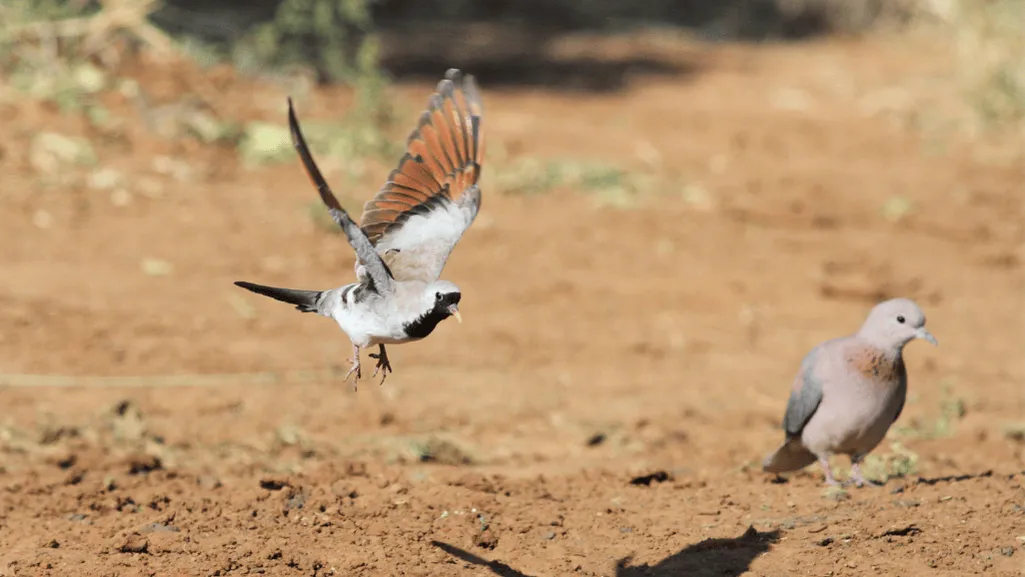 The Namaqua Dove stands out among African birds for its compact form, marked sexual differences, and flight adapted to open, arid landscapes.
Distinctive Appearance: Unveiling the Namaqua Dove’s Identity
Oena capensis is easy to recognize when seen well: males show a black face, throat and upper chest with a contrasting pale body and a yellow‑and‑purple bill, while females and juveniles are paler with fine wing spotting that provides camouflage. These differences aid visual identification and mate selection in the field.
Flight in the Savannah: Observing Namaqua Dove Aerial Strategies
Strong, proportionally large wings allow quick, vertical take‑offs and nimble flight over open ground—useful for escaping predators and reaching scattered feeding sites. They are often seen flushing from water points or low cover with rapid wingbeats and a direct flight path.
Key measurements and notes:
Wingspan: ~28–33 cm — relatively large for the bird’s body, supporting agile flight.
Weight: reported ranges vary (commonly cited ~28–54 g); averages near ~40 g depending on region and season.
Subspecies: usually listed as O. c. capensis and O. c. aliena in regional treatments—check current taxonomic references for latest status and range differences.
Understanding these appearance and flight characteristics helps birdwatchers locate and identify the Namaqua Dove across its range; include clear photos with alt text of male and female plumages for best field reference.
Understanding the Namaqua Dove Behavior and Social Dynamics
Namaqua Dove behavior
The Namaqua Dove (Oena capensis) displays a set of social and breeding behaviors well suited to open, semi‑arid environments. These behaviors — from pair bonding to group foraging — influence how the species uses landscapes and responds to human land use.
Social structure and foraging
Namaqua Doves are typically seen in small groups while feeding and may join mixed‑species flocks at farmland edges or watering points. Such social foraging reduces individual predation risk and improves detection of seed patches. Observations indicate activity peaks at dawn and dusk, with birds also feeding during the day near reliable food or water.
Pairing and mating fidelity
These doves form stable pair bonds during the breeding season and are generally considered monogamous. If a partner dies, individuals will re‑pair, indicating both fidelity and flexibility in mate choice. Field studies and regional accounts provide the best sources for details on local mating systems.
Human impacts and ecosystem role
Agricultural practices and habitat alteration affect Namaqua Dove social feeding—changes in cropping, grazing, or water availability can alter flocking patterns and local abundance. Studies (regional ecological surveys and agricultural impact assessments) suggest that the species’ presence at farm edges makes it a useful indicator of certain habitat conditions.
Mating displays, nesting, and comparisons
During courtship males perform display flights and posture displays to attract mates; plumage contrast (male’s darker face and throat) is important in signaling. Nests are typically placed in low trees, shrubs or occasionally on the ground in sheltered spots, providing concealment from predators.
Comparative notes (for context)
Species Average Weight Total Length Nesting Behavior
Namaqua Dove ~40 g ~24–27 cm Nests in low shrubs or small trees, sometimes on ground under cover.
Golden‑tailed Woodpecker ~70 g ~21 cm Cavity nester, permanent pairs.
African Red‑eyed Bulbul ~30 g ~19 cm Incubates in low shrub nests; fledging ~3 weeks.
Eastern Nicators ~47 g ~23 cm Secretive nesting in dense foliage.
These comparisons illustrate how nesting strategy, body size, and social behavior vary across species sharing the same landscapes. For birdwatchers: look for Namaqua Doves at dawn near open ground and farm margins; regional field guides and local eBird checklists are useful for timing and location tips.
Delving into the Namaqua Dove Conservation Status
 Understanding the conservation status of the Namaqua Dove is key to ensuring long‑term population stability and preserving the dryland ecosystems where it plays a role.
Threats to Survival: Challenges Facing Namaqua Dove Populations
The Namaqua Dove (Oena capensis) is currently considered to be of relatively low conservation concern in many parts of its range, but local populations face threats. Primary challenges include habitat loss and fragmentation from agricultural expansion and urban development, changes in grazing regimes that alter seed availability, and the long‑term effects of climate change on rainfall patterns and vegetation. Reports of direct hunting pressure are limited and tend to be localized rather than range‑wide; verify local threat levels with regional assessments.
Protective Measures: Global and Local Conservation Efforts
Conservation actions that benefit the Namaqua Dove include habitat protection and restoration (maintaining patches of natural grassland and shrub), sustainable agricultural practices that retain fallow areas and water points, and monitoring programs to track population trends. National legislation and protected area networks in southern Africa also help conserve suitable habitat. Public education and inclusion of local knowledge strengthen on‑the‑ground measures.
Conservation Activity Impact
Habitat Restoration Recreates nesting and foraging areas, boosting local abundance.
Legislation Protects key habitats and regulates land use changes.
Public Education Promotes coexistence and supports citizen science reporting.
Research and Monitoring Provides data to adapt management and identify local declines.
Uncovering Namaqua Dove Facts: Myths and Realities
Scientific study helps separate myths from facts about this adaptable bird. For example, while the Namaqua Dove thrives in arid and semi‑arid areas, it is not immune to habitat change. Likewise, reports of its unusual drinking posture (sipping with minimal head lift) are noted in field observations and warrant citation in detail for scientific accuracy.
Myth Fact
Requires lush, water‑rich habitats Thrives in dry, open areas and can exploit scattered water sources.
Social structure is unique Tends toward monogamous pair bonds typical of many doves, with replacement pairing if a mate is lost.
Cannot drink like other birds Observed to drink with minimal head lift—an unusual but documented behavior in field accounts.
Conclusion
The Namaqua Dove is an adaptable species that contributes to the balance of dryland ecosystems across its range. While its overall status is not currently critical in many regions, local threats from habitat change and climate variability justify continued monitoring, habitat stewardship, and public engagement. For precise IUCN status, regional trends, and the latest research, consult reputable sources such as IUCN Red List, Birds of the World, and local conservation reports.
FAQ
What is unique about the Namaqua Dove’s appearance?
Males show a black face and throat with a yellow‑and‑purple bill; females are paler with wing spotting—features useful for quick field identification.
Where can Namaqua Doves be found?
They occur across southern Africa (including Namibia, South Africa, Botswana, Zimbabwe and neighboring areas) in dry open habitats such as savannas, grasslands, and scrub; check local records for exact occurrences.
What does the Namaqua Dove feed on?
Primarily seeds and small grains from annual grasses and low herbs; occasional invertebrates may be taken, especially when feeding young.
How do Namaqua Doves behave socially?
They often forage in small groups or join mixed species flocks at feeding or watering sites and form stable, generally monogamous pair bonds during breeding.
Are Namaqua Doves strong fliers?
Yes; they have proportionally large wings that enable rapid take‑offs and direct, agile flight across open ground.
What are the breeding habits of the Namaqua Dove?
Pairs perform courtship displays, build simple nests in low shrubs or trees (occasionally on the ground under cover), and cooperate in raising young.
Is the Namaqua Dove at risk for extinction?
The species is not widely listed as endangered, but local populations can be impacted by habitat change—consult the IUCN Red List and regional assessments for current status.
What conservation measures are being taken to protect the Namaqua Dove?
Measures include habitat protection/restoration, sustainable land‑use practices, public education, and monitoring programs; supporting local conservation groups and reporting sightings to citizen science platforms (e.g., eBird) helps tracking efforts.
How can one distinguish between myths and facts about Namaqua Doves?
Rely on peer‑reviewed studies, authoritative field guides (e.g., Birds of the World) and verified observational records to confirm behaviors and distribution; field observations should be documented and shared with researchers.
What research has been done on the Namaqua Dove?
Studies cover diet, social behavior, breeding ecology and adaptations to dry environments; consult scientific databases and ornithological literature for detailed studies and regional surveys.
 English