



White-fronted Dove: A Secretive Resident of the Lower Rio Grande Valley
In South Texas’s Lower Rio Grande Valley (LRGV), the White-fronted Dove is a quietly distinctive bird whose secretive habits and adaptability make it important to local ecosystems. Although the species draws interest from birders and researchers, detailed studies of its behavior and demography have been sparse since the mid‑20th century; a number of survey efforts — including initiatives promoted by the Texas Parks and Wildlife Department — aim to fill those gaps. Lessons from successful Caribbean avian conservation programs may offer useful approaches for protecting this species across its range.
This dove appears resilient and can show rapid juvenile growth, but significant knowledge gaps remain about its breeding success and survival rates. Targeted research and coordinated monitoring are needed to guide effective conservation and land‑management actions that support the White-fronted Dove and other columbids in the region.
Key Takeaways
The White-fronted Dove is an important, adaptable species in the LRGV and nearby parts of its range.
As a mostly sedentary columbid, its local habitat preferences strongly influence conservation planning.
Critical information is missing on nesting success, juvenile survival, and long‑term population trends.
Practical management — informed by surveys and community involvement — is essential to reduce risks to the species.
Conservation approaches used elsewhere in the Caribbean can provide models for habitat protection, threat reduction, and community outreach.
Understanding the White-fronted Dove’s life history, from foraging on the ground for seeds and fruits to nesting behavior, will improve prospects for its persistence.
Uncovering the Mysteries of the White-fronted Dove’s Habitat
https://www.youtube.com/watch?v=G
–8smiAhgg
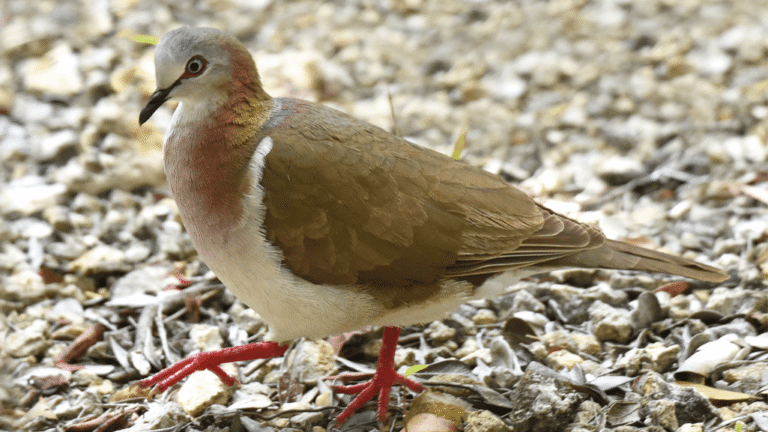
The White-fronted Dove (leptotila verreauxi) occupies a patchwork of habitats across its range, from parts of southern Texas into Mexico and Central America. In the United States it is most often recorded in the Lower Rio Grande Valley (Hidalgo County and nearby areas), where dense, humid thorn‑scrub and remnant woodland provide shelter and foraging opportunities. Understanding this local distribution and habitat use is essential to estimating population size and trends.
Principal Habitats and Distribution
 Across its range the White-fronted Dove favors woodlands, riparian corridors, and agricultural edges such as citrus groves that retain canopy cover. These habitats supply nesting sites in dense foliage and a supply of seeds, berries, and fallen fruit on the ground that support adults and juveniles. Mapping local occurrences (e.g., eBird, state records) helps define the species’ fine‑scale range and identify priority conservation sites.
In particular, citrus orchards with a multi-layered canopy or nearby native thorn forest can function as important refuges, offering both roosting cover and nearby food resources. Protecting and managing these patches—through incentives for landowners, retention of canopy trees, and the creation of habitat corridors—can bolster local dove populations.
Adaptations to Diverse Environments
The White-fronted Dove demonstrates behavioral flexibility that allows it to persist in human‑modified landscapes. It typically nests in dense foliage well above the ground (hidden in the canopy or thick bushes) and forages on seeds and fallen fruit at or near ground level. This mix of canopy nesting and ground foraging helps the species exploit both native and agricultural habitats.
While conservation stories from other regions (including Caribbean programs) offer useful management lessons, comparisons to unrelated species such as the Blue‑winged Macaw should be made cautiously—focus on shared approaches (community engagement, protected areas, invasive predator control) that apply across species rather than on direct ecological equivalence.
Keeping a balance between human activities and intact habitat is crucial: targeted surveys, habitat‑friendly farm practices, and community outreach in the United States and across the species’ range can reduce habitat loss and help maintain viable local populations of this dove and other birds.
A Day in the Life: Behavioral Patterns of White-fronted Doves
White-fronted Dove behavior
 Observing the White-fronted Dove (leptotila verreauxi) reveals a predictable daily rhythm tied to food availability and predator avoidance. As a mostly resident dove in many parts of its range, its behavior reflects a balance between canopy security and ground foraging; understanding these patterns helps inform local conservation and survey work.
At dawn, White-fronted Doves commonly leave night roosts in dense foliage to forage. They search both in the canopy and on the ground for seeds, fallen fruit, and occasionally small insects. Foraging intensity and diet shift seasonally with fruiting and seed availability, and birds are especially vigilant during early morning and late afternoon when predators are active.
Behavior through the day typically includes:
• Early morning foraging to capitalize on fresh food and cooler temperatures
• Midday rest in dense canopy or thorny shrubs to avoid heat and predators
• Late‑afternoon social interactions and short flights among roost sites before returning to night roosts
These are daily commutes rather than long‑distance migrations; the species is largely sedentary but may shift locally in response to food or weather. Studies of related species (for example, some white-tipped dove populations) show similar patterns of local movement and roost fidelity.
Foraging and Diet: What Does the White-fronted Dove Eat?
White-fronted Dove diet
The species is primarily granivorous and frugivorous: typical foods include native seeds and berries as well as fallen fruit from trees such as Texas ebony and native plums where available, and cactus fruits in arid parts of the range. Individuals will also pick small insects opportunistically, particularly when feeding growing chicks. Observers should note that foraging often occurs at or near ground level under fruiting trees or beneath a canopy.
Feeding Strategies and Their Efficiency
White-fronted Doves combine opportunistic feeding (taking readily available seeds and fruits) with selective foraging in fruiting patches. This flexible strategy helps them persist in human‑modified landscapes such as citrus groves or farm edges that retain canopy and fallen fruit. Habitat loss that reduces ground foraging patches or fruiting trees can lower food availability and impact reproductive success.
Practical notes for observers and citizen scientists: record whether birds feed on the ground or in trees, the plant species producing fruit or seeds, and any insect prey taken. Sharing such observations on platforms like eBird or local survey forms improves our understanding of diet across the species’ range.
The Singing Dove: Vocalizations and Communication
Exploring White-fronted Dove vocalizations shows a range of soft coos and short series of notes used to maintain contact, defend territory, and court mates. Both males and females produce calls in many populations, though males often sing more during courtship and territorial displays. In dense vegetation where visual contact is limited, calls are essential for pair bonding and signaling alarm.
Field tip: learn a typical call transcription and, if possible, record calls (with permission and without disturbing birds) to support surveys; audio vouchers are valuable for confirming presence in dense habitat.
Nesting and Reproduction: White-fronted Dove Breeding Season
White-fronted Dove Breeding Season
 Breeding biology is central to conserving any bird species, and the White-fronted Dove (leptotila verreauxi) is no exception. Recognizable by its soft cooing and subtle plumage, this dove shows nesting strategies that reflect adaptation to dense cover and human‑modified landscapes.
The Breeding Habits
White-fronted Doves select nest sites with dense overhead cover—often in mid to upper canopy of woodlands, riparian corridors, or sheltering trees within citrus groves—to reduce exposure to predators and weather. Nests are simple platforms of twigs and dry vegetation. Typical clutch size is two eggs, which are usually plain and creamy‑buff in color. Both parents participate in incubation and nest attendance.
Clutch & Incubation
Reported incubation periods for many leptotila species average roughly two weeks; for related doves the incubation is commonly near 14 days. Observers should note the start date of incubation (when the second egg is laid or both adults begin sustained incubation) to properly estimate hatch dates.
Fledging and Juvenile Development
Young typically grow rapidly. Field reports for similar columbids indicate fledging can occur within about two weeks after hatching (roughly 12–15 days), but local variation is common depending on food availability and predator pressure. Documenting nest timelines in the LRGV and other parts of the range will improve accuracy for this species.
Role of Nesting Sites in Reproductive Success
 Location and structure of nesting sites strongly influence reproductive outcomes. Nests placed in dense canopy or thorn scrub tend to experience lower predation and higher fledging success than exposed nests. Known nest predators for canopy and edge‑nesting doves can include snakes, arboreal mammals, and corvids; introduced predators (where present) such as feral cats may also increase nest losses.
Breeding Records and Monitoring
Historical survey tallies (for example, regional breeding‑site counts conducted in past decades) provide a baseline but require updated, well‑documented surveys to track trends. When reporting breeding sites, include date, GPS location, nest height (feet or meters), clutch size, and outcome. Ethical field practice is essential—minimize disturbance, keep distance while observing, and avoid handling nests unless part of a permitted research program.
Practical field tips: photograph nests from a distance, note tree species and surrounding habitat (citrus grove, thorn scrub, riparian), and submit observations to state wildlife agencies or citizen‑science platforms. These data will help clarify breeding season timing, nest success rates, and potential differences among subspecies across the species’ range.
Migratory Behavior: Do White-fronted Doves Wander?
White-fronted Dove migratory behavior
White-fronted Doves (leptotila verreauxi) are generally local movers rather than long‑distance migrants. Across much of their range they are resident, shifting short distances seasonally or in response to food availability and weather. Understanding these local movements is important for interpreting population trends and for targeting conservation actions in places like the United States and Mexico.
Local Movement Patterns
In southern Texas (the Lower Rio Grande Valley and Hidalgo County) and much of Central America, White-fronted Doves are largely sedentary—individuals maintain home ranges and make routine commutes between roosts, feeding sites, and nesting areas. In northern or marginal parts of the range, some populations show seasonal shifts or temporary expansions in response to favorable conditions (for example, into parts of northern Texas or other nearby states during years with ample resources).
Region Sedentary/Seasonally Movatory
Southern Texas Sedentary
Northern Texas and expansion zones Occasional seasonal movements
Central American range Sedentary
Expanded northern areas (sporadic records) Occasional seasonal or exploratory movements
These are short‑range adjustments rather than true migratory flights; flights tend to be short hops between trees, groves, and feeding areas rather than sustained long‑distance journeys.
Conservation Status and Threats
Population and threat levels vary regionally. Some island or localized populations elsewhere in the Caribbean face severe pressure and different threat profiles than mainland populations. Statements about global population size (for example, “fewer than 2,500 individuals”) should be verified against authoritative sources (IUCN, regional assessments) and clarified by geographic scope—global, national, or regional.
Primary threats where they occur include habitat loss and fragmentation, hunting in some areas, and introduced predators (feral cats, and on some islands, species such as mongooses). On the United States mainland, primary concerns are habitat conversion and the loss of riparian and canopy cover that support nesting and ground foraging.
Conservation Actions and Community Involvement
Effective conservation combines protected areas, habitat management (retaining canopy trees in agricultural landscapes), community education, and targeted research such as breeding ecology and movement studies. Practical actions include establishing habitat corridors, offering landowner incentives to retain canopy trees in citrus and other groves, and supporting local monitoring programs.
Research and Monitoring Needs
Long‑term monitoring (e.g., standardized surveys, banding, and citizen‑science reporting through eBird) will clarify population trends and local movements. Existing studies on how land‑use change affects birds (Daily, Ehrlich & Sanchez‑Azofeifa 2001; Hughes, Daily & Ehrlich 2002; Blake & Loiselle 2001; Green et al. 2005) highlight the importance of habitat context; applying those findings to leptotila populations requires localized data collection.
How you can help: report White-fronted Dove sightings (with location and habitat notes) to state wildlife agencies or eBird, support habitat‑friendly farming practices, and participate in local surveys organized by conservation groups.
Conclusion
We examined key aspects of the White-fronted Dove (leptotila verreauxi)—its habitat, daily behavior, diet, nesting, and the conservation actions needed to secure populations across its range. While many related bird species are well studied, important gaps remain for this dove, especially regarding local population size, nesting success, and juvenile survival. Clarifying those gaps through targeted surveys will make conservation more effective.
Reliable summaries and status estimates must be sourced carefully: ambiguous statements such as “fifty-nine of these birds are at risk” or species‑level claims about geological time (for example, “since the Cretaceous”) should be avoided unless supported by authoritative references. Likewise, reports of fledging timing should be presented with context—field reports for related columbids suggest fledging often occurs within roughly two weeks after hatching, but local variation is common and longer growth periods have been reported in some populations.
Practical next steps for conservation include expanding standardized monitoring (banding and counts), protecting and restoring canopy and riparian habitat, working with landowners to retain fruiting trees and canopy in agricultural areas, and controlling invasive predators where applicable. Community engagement—training volunteers to submit observations (with location, habitat notes, and photos or audio when possible) to eBird and state agencies—provides essential data.
FAQ
What are the main habitats of the White-fronted Dove?
The species occupies dense thorn‑scrub, riparian woodlands, and agricultural edges (including citrus groves) where canopy cover and nearby food resources exist. In the United States it is most often recorded in the Lower Rio Grande Valley.
How does the White-fronted Dove adapt to its environment?
It shows flexibility: nesting in canopy cover while foraging on the ground for seeds, berries, fallen fruit, and occasional insects. This mix of behaviors helps it persist in both native and human‑modified habitats.
What constitutes the daily behavior of a White-fronted Dove?
Daily activity usually includes early‑morning foraging, midday rest in dense foliage, and late‑afternoon movements among feeding and roosting sites. These are short flights and local commutes rather than long migratory journeys.
What does the White-fronted Dove eat?
Diet is primarily seeds and fruits (fallen and on the plant), supplemented by small insects sometimes taken for nestlings. Documenting specific plant species used (e.g., local ebony or native plums where present) helps identify critical food resources.
Do White-fronted Doves have unique vocalizations?
Yes—soft coos and short note series function in courtship, territory signaling, and contact between mates. Both sexes call in many populations, though males often sing more during display.
When is the White-fronted Dove breeding season?
Timing varies regionally; nests are typically placed in dense canopy or shrubs. Clutch size is usually two eggs, and incubation and fledging durations should be reported with direct field data when possible.
Are White-fronted Doves migratory?
No—the species is largely resident across most of its range, making short local movements rather than seasonal long‑distance migrations.
What is the conservation status of the White-fronted Dove?
Regional conservation status varies. Statements about global or regional population totals should cite IUCN, Birds of the World, or state assessments. Threats include habitat loss, hunting in some areas, and introduced predators on islands or in localized contexts.
How can the local community get involved in conserving White-fronted Doves?
Report sightings (with habitat notes) to eBird or local wildlife agencies, support habitat‑friendly practices on private land (retain canopy trees, create habitat corridors), and participate in local surveys or education programs.
What factors are considered when studying White-fronted Dove population trends?
Researchers consider habitat availability and fragmentation, predation pressure, human land use, nest success, and food resources. Continued, well‑documented monitoring across the species’ range will sharpen our understanding and improve conservation outcomes.


 English