
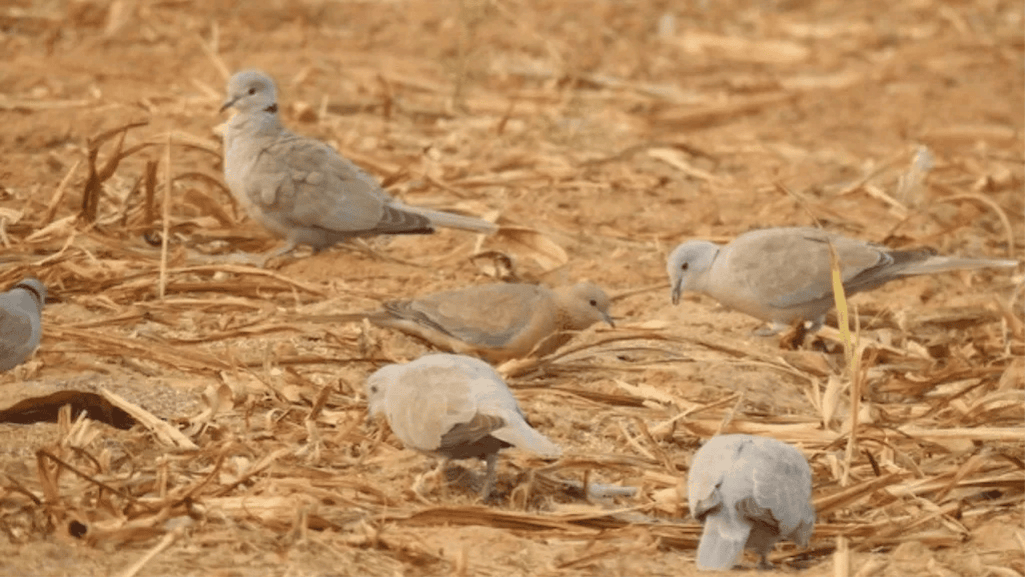

Doves add calm and charm to any yard — and with a few simple dove feeding tips you can attract and support them year‑round. Beyond basic seeds, doves also need fresh water, grit, and occasional fruits or calcium-rich foods to thrive. Read on for practical ways to feed and care for the doves that visit your garden.
Doves typically feed on the ground or from low platform feeders. They eat a mix of seeds, grains, and small fruits, and keeping feeders and water clean reduces disease risk for all backyard birds.
A balanced seed mix for doves often includes millet, cracked corn, and sunflower seeds — these provide energy in cold months and extra fuel during breeding season. Offering variety and observing what local doves prefer will help you fine‑tune their diet.
Key Takeaways
- Prefer ground feeding: Provide low platform feeders or scattered seed — doves favor ground feeders for easy access. (See feeder section)
- Offer a seed variety: Use mixes with millet, cracked corn, and sunflower seeds to meet energy needs and seasonal demands.
- Keep feeders clean: Wash trays and replace old seed regularly to prevent disease in backyard birds.
- Provide fresh water daily: Offer drinking and bathing water; change it frequently, especially in warm weather.
- Create a safe space: Place feeders near cover but with open flight paths so doves feel secure.
- Adjust by season: Increase high-energy seeds in winter and add calcium/protein during breeding.
Understanding Dove Species and Their Dietary Needs
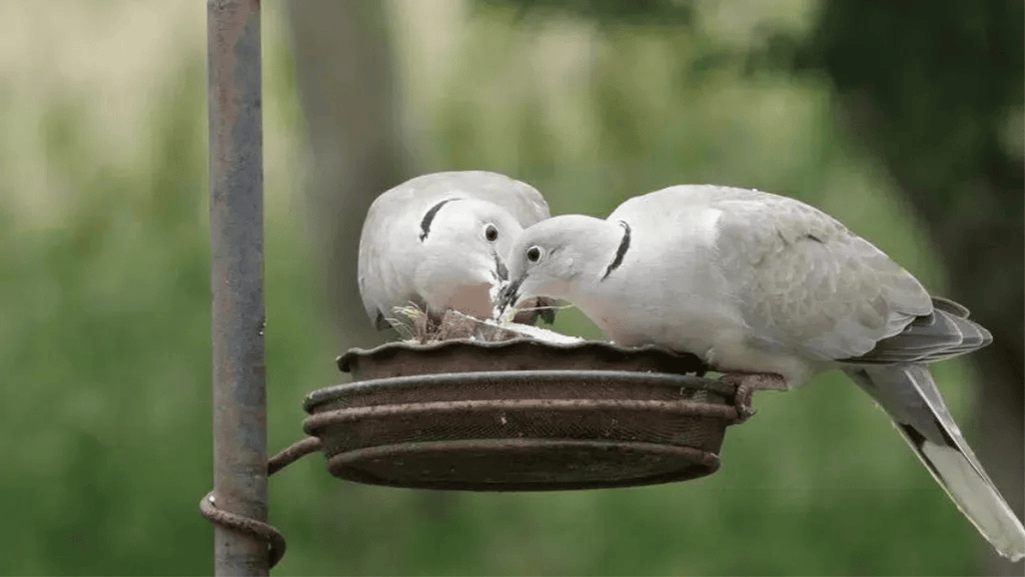 Doves are gentle, ground‑feeding birds that add calm to gardens and green spaces. Knowing basic differences between common species and what they naturally eat will help you offer the best nutrition and attract more visitors to your yard.
Common Dove Species and Characteristics
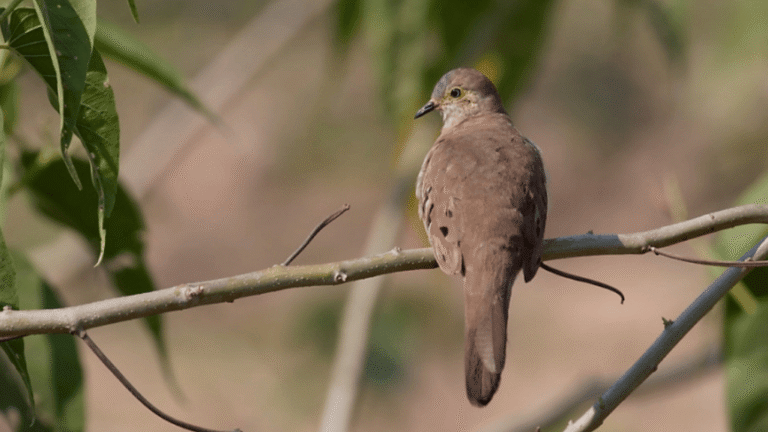
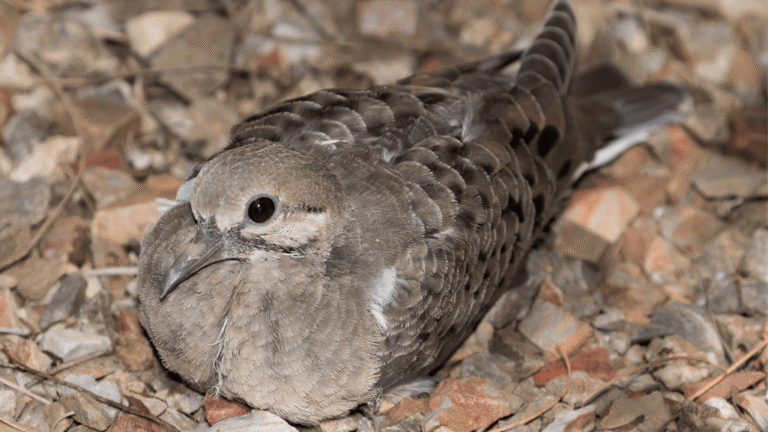
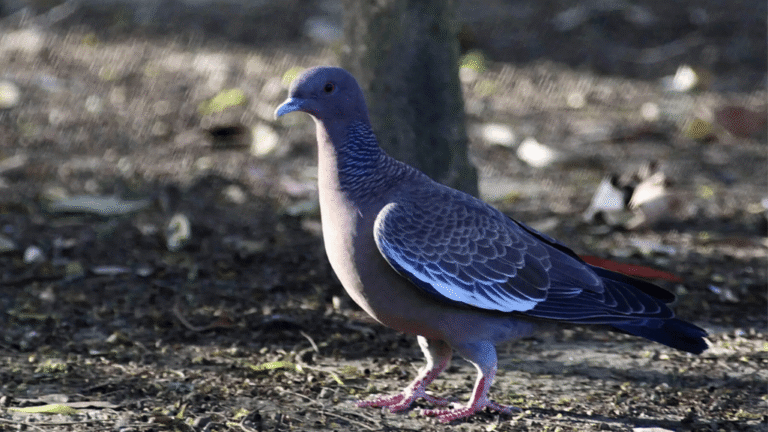
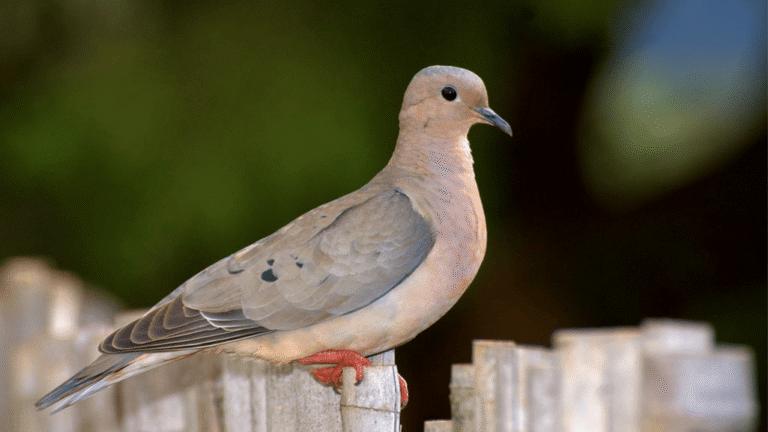
Mourning doves (Zenaida macroura) are widespread and recognized for soft cooing; they primarily eat seeds and grains. Eurasian collared‑doves have a distinct neck ring and similar seed preferences. These and other backyard doves are often mistaken for pigeons, but doves tend to feed more on the ground and favor smaller seed mixes.
Natural Diet of Doves in the Wild
Wild doves are predominantly seed eaters. Typical components include wheat, millet, sunflower seeds, and various grass seeds. They also take small amounts of fruits and insects when available for extra vitamins and protein. Describe this as a predominantly seed‑based diet rather than an exact percentage unless you cite a source.
Nutritional Needs for Captive and Backyard Doves
Captive doves and regular backyard visitors benefit from a balanced mix that mirrors their natural diet. A practical guideline is to make seeds the core of the diet, then supplement with fresh veggies and small amounts of fruit, plus grit for digestion and occasional calcium sources for breeding birds.
Example feeding breakdown (guideline):
- Seed mix (majority): energy and protein — include millet, safflower, cracked corn, and sunflower seeds (black oil sunflower is nutritious and easy to eat).
- Fresh vegetables: moderate portion for vitamins and fiber.
- Fruits: small amounts as treats for vitamins and natural sugars.
- Grit and calcium (sparingly): aid digestion and support egg production when needed.
As a rough reference, many caregivers observe captive doves eating about one ounce per day, but actual amounts vary by species, season, and activity level — adjust accordingly and monitor body condition.
Creating an Ideal Feeding Environment
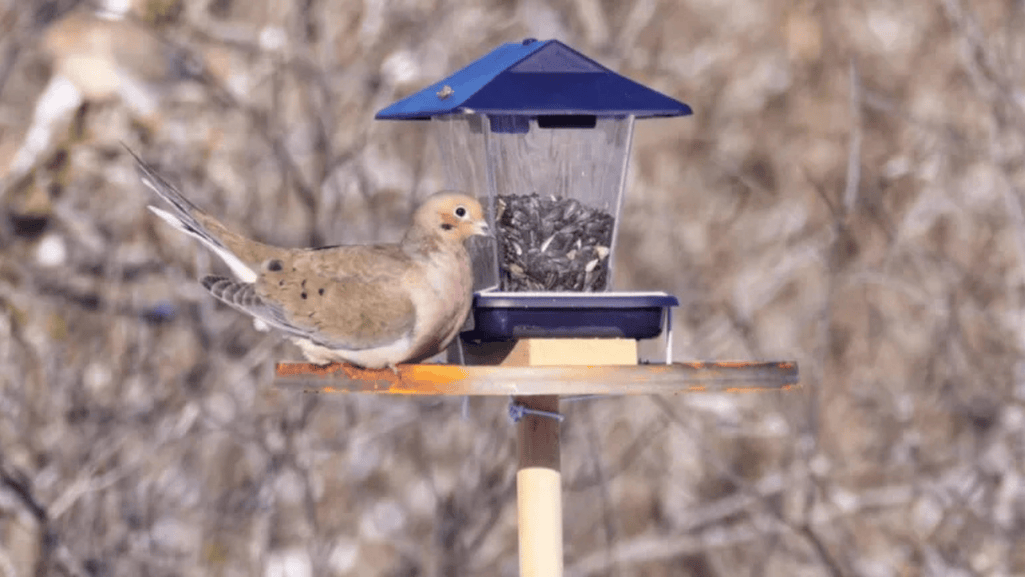 Setting up the right space for backyard birds makes feeding easier and safer. Doves have simple needs: accessible seed, a reliable water source, and protection from predators and pests. Below are practical tips for feeders, placement, and maintenance.
bird feeders for doves
Choosing the Right Feeder Types for Doves
Platform or tray feeders are usually best because they let doves feed close to the ground like they naturally do. If squirrels are a problem, consider sturdier designs or squirrel‑resistant options (example products cited only as examples). Pros and cons:
- Platform/tray feeders: ideal for ground feeders and easy for doves to use.
- Raised trays with roofs: keep seed drier and provide shelter from rain.
- Squirrel‑resistant feeders (example product types): reduce waste and competition but can be pricier.
Optimal Feeder Placement in Your Garden
Place feeders where doves can see open flight paths yet have nearby cover to escape predators. A typical guideline is to situate feeders within view of shrubs or trees but not so close that predators can hide immediately adjacent — often a few meters (roughly 10–12 feet) works in many yards. Adjust this distance to suit your layout and local predator pressures. Doves prefer open areas for easy takeoff and landing.
Maintaining a Clean and Safe Feeding Area
Cleanliness prevents disease and keeps doves returning. Use a mild 50/50 white vinegar and hot water solution or a gentle bird‑safe cleaner to wash trays and bowls. In warm, humid climates check feeders every 2–4 days and remove any moldy or damp seed. Tips:
- Empty and scrub trays, then rinse and dry thoroughly.
- Avoid cheap mixed seed with lots of filler (red millet can leave hulls and debris); consider higher‑quality mixes that include safflower, millet, and black oil sunflower for nutrition and reduced mess.
- Place seed on a tray or platform rather than directly on soil to reduce contamination.
Quick checklist: choose a low platform feeder, place it where doves can see open flight paths plus nearby cover, clean feeders regularly, and use a nutritious seed mix to attract and keep local birds — including doves and similar species that are sometimes confused with pigeons.
Dove Feeding Tips — Practical Recommendations
Daily Care: simple routines that work
- Daily feed amount: Offer a modest portion and adjust to activity — many backyard or captive doves eat roughly an ounce of seed per day, but monitor intake and body condition and adapt by season.
- Feeding schedule: Provide seed and fresh water during daytime hours when doves are active; some species may have slight variations in timing.
- Water: Always keep a clean bowl for drinking and shallow bathing; change water daily in warm weather and more often if it gets dirty.
What to include (and why)
- Seed variety: Use a mix that includes millet, cracked corn, safflower, and black oil sunflower to offer balanced energy and attract local birds.
- Fresh foods: Small amounts of chopped vegetables and fruit provide vitamins and variety — introduce new items slowly.
- Grit and calcium: Provide grit for digestion and offer calcium sources (crushed eggshells or a commercial supplement) during breeding; consult an avian vet for pets.
Special situations: breeding, molting, and rescued birds
- Breeding/molt: Increase protein and calcium during these times — sunflower seeds and millet are good choices; consider extra calcium for egg production.
- Weak or rescued birds: Contact a licensed wildlife rehabilitator for wild birds. For handled or pet birds, offer easy-to-eat options (soft peas or soaked seed) and seek veterinary guidance before hand‑feeding.
Foods to avoid and safety notes
- Avoid bread, crackers, and processed snacks — these lack proper nutrition and can harm doves.
- Do not add unsourced dosing advice (salt or medication) — consult a vet before giving supplements; avoid untested home remedies.
- Keep feeding areas tidy to reduce disease risk: remove moldy seed and clean feeders regularly.
Quick tips summary: offer a varied seed mix, provide fresh water and grit, increase protein/calcium during breeding, and get professional advice for rescued or sick birds. If you keep pet doves, talk to an avian vet about supplements and precise daily amounts. For backyard feeders, a simple routine and quality seed will keep ground‑feeding doves and other birds returning to your yard.
Seasonal Considerations for Dove Feeding
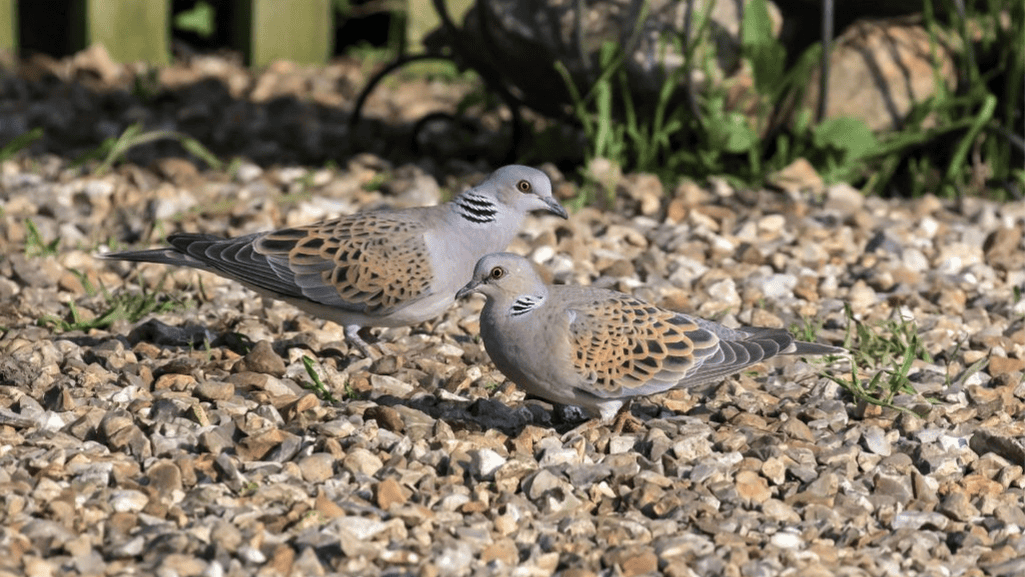 Seasonal dove feeding
Adjusting what and how much you offer across the year helps doves find reliable food when natural sources change. Tailor feed types, quantities, and water/shelter options by season to support local populations.
Adjusting Feed Quantities Throughout the Year
Rather than a single fixed percentage, expect daily food needs to vary by species, temperature, and activity. In general, doves will eat less when natural seed is abundant (spring/summer) and more in fall and winter when they need extra calories to stay warm. Monitor how quickly feeders are emptied and adjust the amount you put out — increase portions gradually as temperatures drop.
Special Dietary Needs During Breeding Season
Breeding doves need extra protein and calcium to support egg production and growing chicks. Offer higher‑energy seeds like black oil sunflower and millet, and provide a calcium source (crushed eggshells or a commercial supplement) in moderation. If you keep pet doves, consult an avian vet before adding supplements.
Winter Feeding Strategies
In cold weather, favor higher‑energy seeds such as sunflower, millet, and limited cracked corn to help doves maintain body heat. Ensure unfrozen water is available — heated baths, water de‑icers, or daily replacement help. Provide sheltered feeding spots (beneath eaves, near evergreen cover, or brush piles) so birds can eat out of the wind.
Seasonal Quick Guide
Spring: mixed seeds and millet — moderate amounts; consider extra calcium during nesting.
Summer: sunflower and millet — low to moderate amounts; keep water extra clean and cool.
Fall: mixed seeds and some corn — moderate to higher amounts as natural food declines.
Winter: sunflower, millet, and limited cracked corn — higher amounts; provide sheltered feeding and unfrozen water.
Practical notes: avoid overreliance on any single feed (too much cracked corn can encourage dependency), rotate seed mixes for variety, and always keep grit and clean water available. Adjust your approach based on local conditions and watch how the birds respond — that’s the best way to find what works in your yard.
Conclusion: Fostering a Thriving Dove Population in Your Backyard
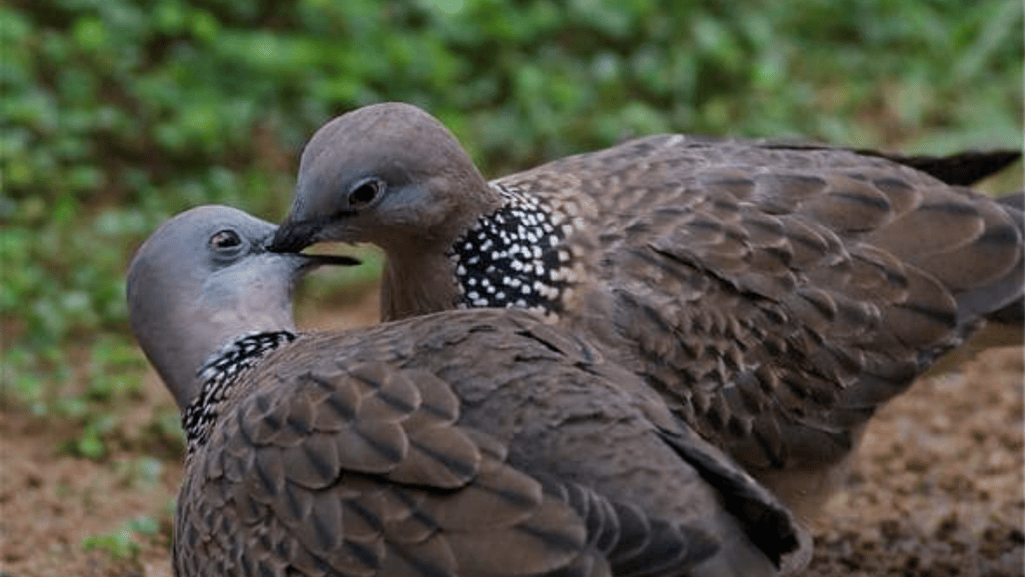 Creating a welcoming space for doves is rewarding and supports local conservation. Offer consistent food, clean water, and safe nesting options to help these gentle birds thrive. Learning to identify common species also helps you meet their specific needs.
Provide nesting materials and sheltered sites to encourage breeding, keep feeding areas clean, and monitor birds for signs of illness. Wild doves face many challenges and often have shorter lifespans in nature; captive birds can live much longer with proper care. Small actions — offering appropriate seed, grit, and clean water — make a big difference for dove populations.
Frequently Asked Questions
What types of foods should I provide for doves in my backyard?
Offer a varied seed mix (millet, sunflower, safflower, and small grains), plus occasional fresh fruits and vegetables for vitamins and minerals.
How can I attract doves to my backyard?
Provide a reliable food source, a fresh water bowl for drinking and bathing, and nearby shrubs or evergreens for shelter and nesting.
What are the essential components of a proper diet for captive doves?
Captive doves need a high-quality seed mix, fresh produce, grit for digestion, and occasional calcium supplements (consult an avian vet for pet‑specific advice).
How do I maintain a clean and safe feeding area for doves?
Remove old or moldy seed, wash feeders with a mild, bird‑safe solution, and clear debris from under platforms to lower disease risk.
What are the special dietary requirements for doves during breeding season?
Increase protein and calcium during breeding — offer sunflower and millet for extra energy and a controlled calcium source; consult a vet before adding supplements for pets.
How can I ensure proper hydration for doves, especially in extreme weather conditions?
Always provide fresh water. In winter use heated baths or de‑icers to keep water unfrozen; in heat, change water frequently and provide shallow bathing dishes.
If you care for pet doves or find injured wild birds, contact an avian veterinarian or licensed wildlife rehabilitator for guidance rather than attempting medical treatment yourself. For more in‑depth resources, consult the Cornell Lab of Ornithology or your local wildlife agency.




 English