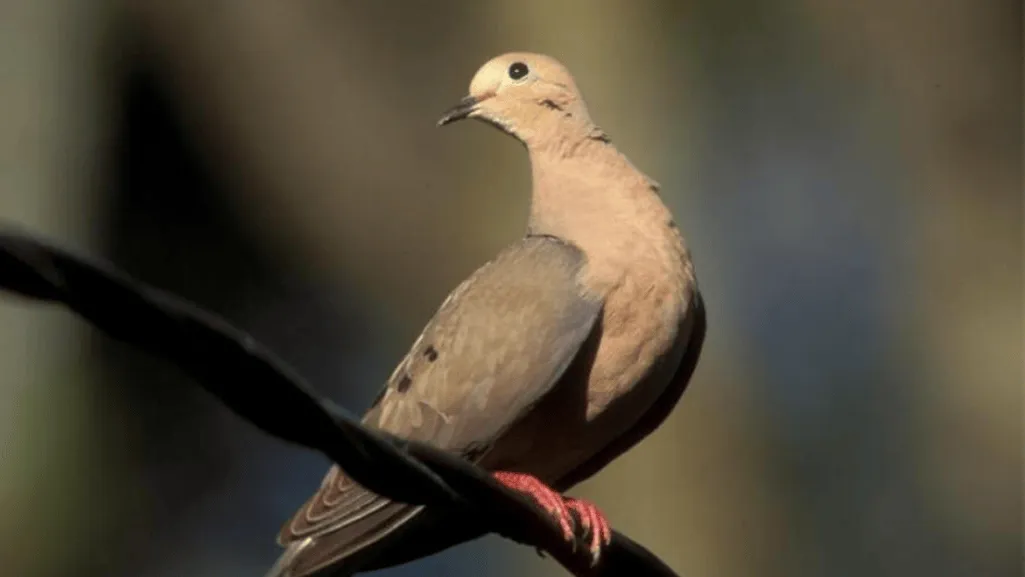

Dove diseases are a major concern for bird lovers and owners. These birds face a range of health problems that can affect their well-being, from mild illness to fatal outcomes. Understanding common avian diseases in doves helps you spot trouble early and take effective action to protect your flock and local wild birds. If you notice worrying signs, contact an avian veterinarian promptly.
Health problems in doves often appear as breathing difficulties, diarrhea, weight loss, or sudden lethargy. Both wild and domesticated doves can be affected; transmission can occur where birds congregate at feeders, birdbaths, or lofts. Check your birds regularly for changes in behavior, appetite, droppings, and breathing to catch disease early.
Pigeon illnesses commonly overlap with dove diseases because both belong to the Columbidae family. One especially important condition is canker (trichomoniasis), caused by the protozoan Trichomonas gallinae, which can spread easily between pigeons and doves and cause crop or throat lesions that interfere with breathing and feeding. Older birds, young nestlings, and stressed individuals are at higher risk of developing clinical disease.
Key Takeaways
– Dove diseases can affect both wild birds and domesticated flocks.
– Respiratory infections spread easily through the Columbidae family (doves and pigeons).
– Canker (trichomoniasis) and external parasites are common and preventable with good husbandry.
– Routine hygiene, quarantine of new birds, and preventive care (including vaccines where recommended) reduce risk.
Understanding Dove Health: An Overview
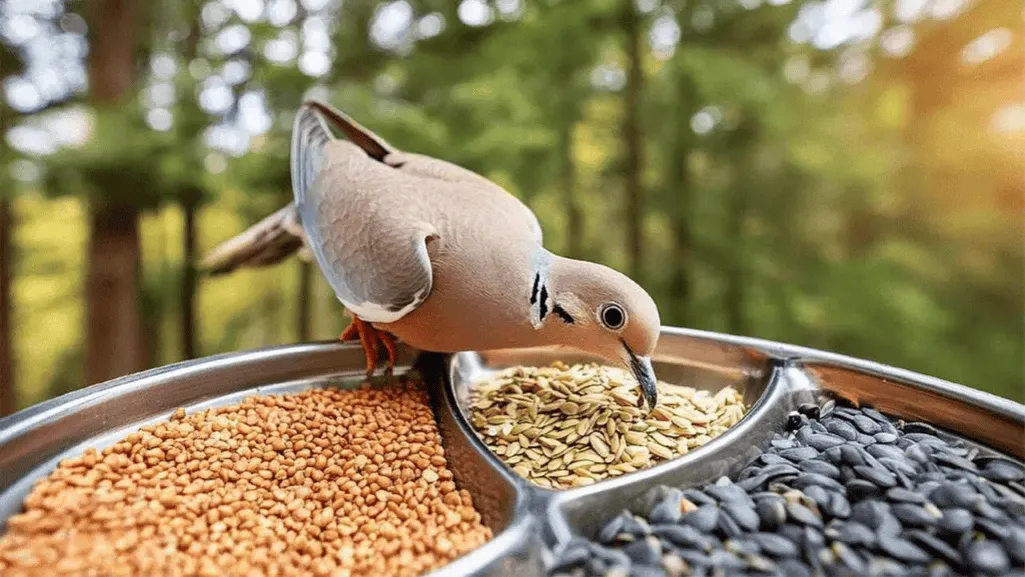 Dove health matters for pet owners, breeders, and wildlife rehabilitators alike. Doves and pigeons (family Columbidae) appear frequently at feeders and in captivity, so recognizing early signs of disease and acting quickly protects both individual birds and affected birds in the area. This guide focuses on common infectious and noninfectious problems you are likely to encounter and practical steps to reduce spread.
Doves and pigeons commonly develop respiratory infections, parasitic infestations, and nutritional disorders. Early recognition of signs—such as labored breathing, diarrhea, reduced appetite, or weight loss—lets you isolate affected birds and contact an avian veterinarian for diagnosis and treatment.
Preventing disease centers on regular checks, good nutrition, clean feeders and drinking water, and quarantine of new birds before introducing them to your loft or aviary. Vaccination against Paramyxovirus (PMV-1) is used in racing and show pigeons and may be recommended by vets for flocks at risk; follow your avian vet’s guidance on timing and frequency.
Disease Incubation Period Key Symptoms
PMV-1 1–6 weeks Polyuria, incoordination, head tilt (neurological signs)
Pigeon Pox 7–14 days typical onset; 3–4 weeks to develop immunity after vaccination Skin lesions or wart-like growths; respiratory involvement in the diphtheritic form
Circovirus ~2 weeks Rapid weight loss, poor crop function, feather abnormalities, secondary infections
Knowing typical incubation periods and signs helps prioritize testing and isolation. If you see suspicious signs, separate the bird, limit access to shared feeders and birdbaths, and contact an avian vet for testing (PCR, culture, or serology may be used). For guidance on quarantine procedures and a printable checklist, ask your veterinarian or local extension service.
Respiratory Infections in Doves
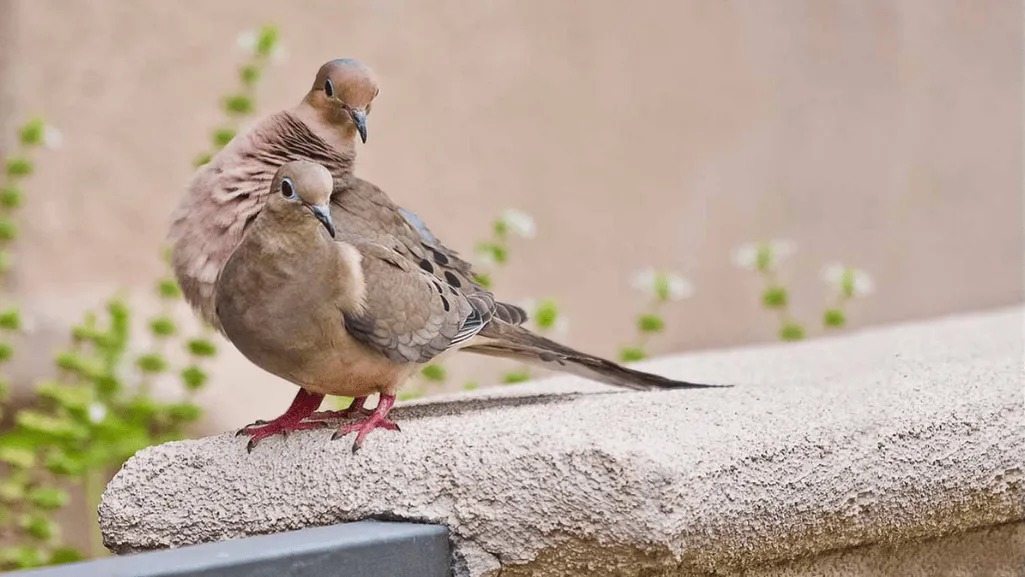 Respiratory infections are among the most common and contagious problems affecting doves and pigeons. These infections can be caused by fungi, bacteria, or viruses, and quick identification plus appropriate action is essential to limit spread and improve outcomes for affected birds.
Common Causes of Respiratory Issues
Pigeon and dove respiratory disease can arise from several agents:
– Fungi: Aspergillus species are the most frequent fungal cause; Candida and Cryptococcus can also cause illness, especially in birds with weakened immune systems.
– Bacteria: Chlamydophila psittaci and various Mycoplasma species are important bacterial pathogens that cause respiratory signs in Columbidae.
– Viruses: Paramyxovirus (including PPMV-1 strains in pigeons) and other viral agents can produce severe respiratory or neurological disease.
Symptoms of Respiratory Distress
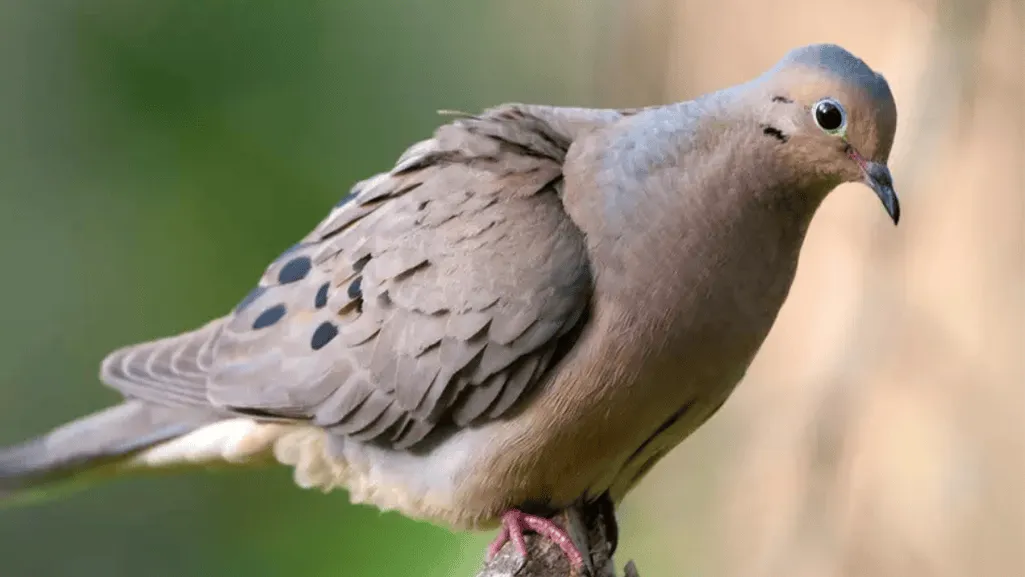 Spotting respiratory infections early improves the bird’s chance for recovery. Watch for these signs:
– Open-mouth breathing or tail-bobbing with each breath
– Increased respiratory effort or audible wheezing/sneezing
– Nasal or ocular discharge
– Reduced appetite, weight loss, or listlessness
– Changes in vocalization or diminished activity
First 24–72 Hours: Immediate Steps
If you notice respiratory signs, act quickly:
– Isolate the affected bird(s) to reduce transmission to other birds.
– Remove access to shared feeders and drinking water (contaminated drinking water can transmit pathogens).
– Minimize handling and stress; keep the bird warm and comfortable.
– Contact an avian veterinarian for guidance on diagnostics (PCR, culture, radiographs, or bloodwork) and treatment.
Treatment and Prevention Strategies
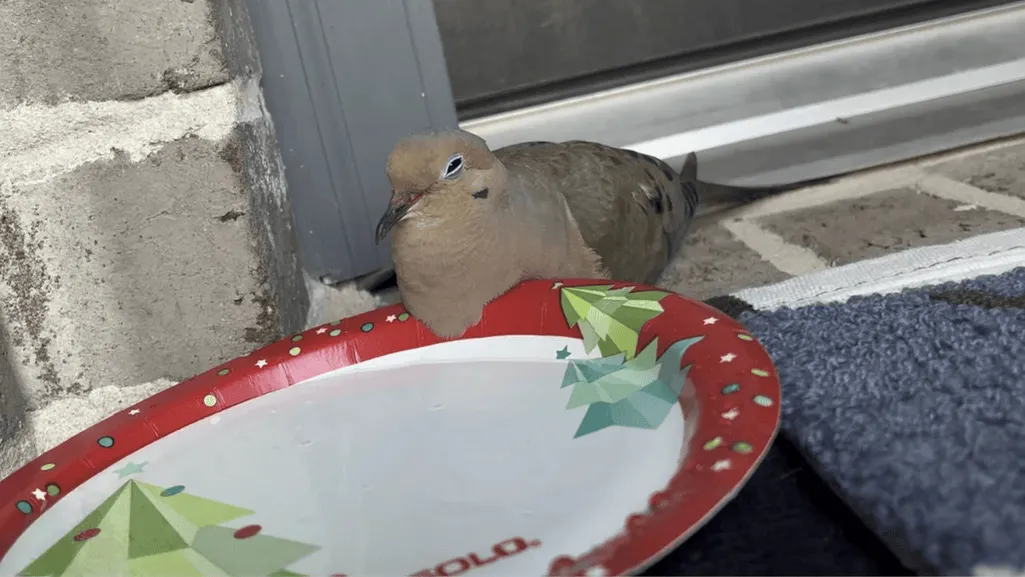 Treatment depends on the identified cause: antifungals for fungal infections, targeted antibiotics for bacterial disease, and supportive care for viral conditions. Veterinarians will often recommend diagnostics to determine the causative agent and appropriate drugs.
Prevention checklist:
– Clean environment: keep lofts and aviaries dry, well-ventilated, and free of moldy feed where fungal spores can flourish. Use a 1:10 bleach dilution to disinfect hard surfaces, allow appropriate contact time, and rinse thoroughly.
– Regular check-ups: schedule routine veterinary exams and health screening for your flock.
– Limit exposure: reduce contact with wild birds during local outbreaks and quarantine new birds for the recommended period (consult your avian vet for duration).
– Proper nutrition: provide balanced food, clean feeders, and fresh drinking water to support immune function.
Examples: mild fungal infection vs. viral outbreak
– Mild Aspergillus: typically gradual onset, breathing effort increases with activity; treatment often includes antifungals and environmental cleanup.
– Viral outbreak (e.g., aggressive PPMV-1 strain): may present rapidly with multiple sick birds showing neurological or severe respiratory signs; prompt isolation, veterinary testing, and biosecurity measures are critical.
When to Call the Vet
Contact an avian veterinarian promptly if a bird shows labored breathing, blue/purple gape, bloody or discolored droppings, collapse, or if multiple birds become ill—these are emergency signs. Some respiratory pathogens can pose zoonotic risk or spread rapidly through a loft, so professional diagnosis and targeted treatment are recommended.
By following these steps—early detection, isolation, veterinary diagnosis, and consistent preventive practices—you can reduce infection risk and keep your birds healthier over the long term.
Canker: A Prevalent Dove Disease
Also called trichomoniasis or pigeon canker, canker is a common infectious disease in doves and pigeons. The illness is caused by the protozoan Trichomonas gallinae, which primarily affects the upper digestive tract (throat and crop) and can lead to feeding and breathing difficulties in affected birds.
History and impact
Trichomonas gallinae has caused historic die‑offs in wild dove populations and remains an important conservation and husbandry concern. For example, large regional outbreaks have resulted in significant mortality among mourning doves in North America, illustrating how rapidly infection can spread when birds congregate at shared feeding sites.
Symptoms of canker in doves include:
– Labored breathing or breathing difficulty
– Progressive weight loss
– Lethargy and reduced activity
– Yellowish or white nodules/lesions in the throat or crop that can block swallowing
Transmission and environmental survival
Trichomonas gallinae spreads when infected birds regurgitate food to chicks or when healthy birds eat contaminated moist grain or drink from shared water sources. The organism survives better in moist feed and can persist for multiple days in favorable conditions, while survival in open water is generally shorter (measured in hours). These characteristics make communal feeders and birdbaths high‑risk spots for transmission.
Species Infection Rate Clinical Signs
Adult Pigeons Often carry infection (frequently asymptomatic) May show no signs or mild lesions
Young Pigeons/Doves Variable but often symptomatic More likely to develop severe crop/throat lesions
Raptors Commonly exposed via prey Can show clinical disease after consuming infected birds
Waterfowl/Gamebirds Occasional Less commonly affected but possible
Diagnosis and treatment
Diagnosis is usually by microscopic examination of lesions or crop swabs and, when available, laboratory confirmation. Effective treatment requires veterinary prescription—commonly used agents include nitroimidazole drugs under avian veterinary guidance (do not medicate birds with human formulations without veterinary oversight). In severe cases where nodules obstruct feeding or breathing, surgical removal by an experienced avian vet may be necessary.
Prevention: practical measures
Preventing trichomoniasis focuses on reducing opportunities for transmission at communal feeding/drinking sites and improving hygiene:
– Remove or regularly clean communal feeders and birdbaths; disinfect hard surfaces with an appropriate bleach solution (follow product instructions for dilution and contact time) and allow thorough rinsing.
– Replace standing moist feed promptly and avoid leaving spilled grain that can remain damp.
– Offer multiple, well‑spaced feeding stations to reduce crowding and aggressive feeding behavior that spreads regurgitated material.
– Quarantine and examine any new birds before adding them to an existing flock.
Quick action for hatchlings and nestlings
If you find weak or listless young doves, isolate them from communal feeders and water, avoid force‑feeding without veterinary instruction, and contact an avian veterinarian immediately—young birds have the highest risk of severe disease.
Notes and resources
For precise survival times, prevalence data, and treatment protocols, consult peer‑reviewed avian veterinary sources or your state wildlife agency. Always follow an avian veterinarian’s instructions for diagnosis and medication—self‑treating with human drugs or unverified remedies can harm birds.
Parasitic Infections: Worms and Coccidia
Parasitic infections are a frequent health risk for doves and pigeons. Internal parasites such as intestinal worms and coccidia can weaken birds, reduce productivity in breeders, and in severe cases cause death. Early detection through routine checks and droppings examination helps prevent outbreaks and keeps your birds healthier.
Types of Worms Affecting Doves
Doves and pigeons may host several intestinal helminths, including roundworms (nematodes), tapeworms (cestodes), and hairworms. Heavy worm burdens cause weight loss, poor condition, weakness, and diarrhea. Regular fecal testing (fecal flotation or microscopy) is the standard way to detect these parasites before clinical disease develops.
Coccidia and Its Impact
Coccidiosis is caused by Eimeria species (protozoan parasites) and spreads rapidly in warm, wet, crowded conditions. Young or stressed birds often develop the most severe disease. Typical signs include depression, ruffled feathers, reduced appetite, and watery or bloody diarrhea.
Diagnosis and Treatment Options
Diagnose internal parasites by submitting fresh droppings to your veterinarian or a diagnostic lab for microscopic examination. Treatment choices depend on the parasite identified:
– Worms: licensed dewormers for birds are used under vet guidance; products and protocols vary by region and product labeling.
– Coccidia: anticoccidial agents such as amprolium or sulfa drugs are commonly used under veterinary direction; follow dosage and withdrawal guidelines when applicable.
Parasite Type Common Symptoms Typical Treatment Approach
Worms Weight loss, weakness, diarrhea Veterinary-prescribed dewormers after fecal confirmation
Coccidia Depression, ruffled feathers, severe diarrhea Anticoccidials (amprolium/sulfa drugs) under vet supervision
Keeping doves healthy means combining targeted treatment with prevention: maintain clean housing, remove wet spilled feed promptly, and avoid overcrowding.
External Parasites: Lice, Mites, and Flies
External parasites cause irritation, feather damage, and can contribute to anemia and secondary infections. Common ectoparasites include various mite species, pigeon lice, and blood-feeding flies.
Identifying External Parasites
Early signs of external parasite infestation include:
– Scaly skin on bare patches (legs/face)
– Tiny holes or broken feathers
– Excessive scratching, preening, or pannus (feather loss)
– Pale combs/skin or lethargy in severe infestations (anemia)
Dove mites (including scaly face/leg mites) and pigeon lice are commonly seen on Columbidae. The pigeon louse fly (Pseudolynchia canariensis) can also occur and may stress birds by blood feeding.
Treatment Methods for Ectoparasites
Effective treatment depends on species and infestation severity. Common approaches include:
– Topical or systemic treatments (ivermectin or moxidectin) prescribed by an avian vet—note: these are veterinary products and dosing/approval varies by country.
– Contact insecticides (pyrethrin-based sprays) for lice and flies; follow label instructions and avoid overuse.
– Medicated dusts, baths, or environmental sprays to treat housing and perches.
Natural repellents (e.g., neem oil) may help reduce parasite load but should be used cautiously and ideally under veterinary guidance—efficacy and safety data for doves vary by preparation.
Preventing Parasite Infestations
Practical prevention steps include:
– Keep living areas clean, remove droppings and soiled bedding frequently, and disinfect roosts between flocks.
– Provide dust baths and encourage natural preening behavior to help birds control ectoparasites.
– Inspect birds regularly (especially new birds) and isolate any with visible parasites until treated.
– Rotate or clean feeders and drinking stations to reduce contact with infectious material.
Parasite Type Common Symptoms Treatment
Dove Mites Scaly skin, feather damage Ivermectin or moxidectin (vet prescribed), environmental treatment
Pigeon Lice Visible eggs on feathers, itching Pyrethrin sprays, medicated baths
Pigeon Louse Fly Blood feeding, stress on birds Environmental control, insecticidal sprays
When to call your vet
Contact an avian veterinarian if you observe persistent diarrhea, severe feather loss, pale mucous membranes, sudden drops in weight, or multiple birds affected—these are signs that parasite burdens may be severe or that secondary infections are present.
Routine prevention (scheduled fecal checks, timely environmental cleaning, and controlled use of approved treatments) minimizes parasite-related disease in doves and pigeons. For a printable parasite-check checklist and guidance on safe product use in your area, consult an avian veterinarian or extension service.
Dove Diseases: Bacterial and Viral Threats
Doves and pigeons face significant bacterial and viral threats that can cause severe illness and occasional mortality. Understanding which infectious diseases affect Columbidae, how they spread, and what prevention steps to take helps protect your flock and reduces risk to people who handle birds.
Bacterial threats
Common bacterial diseases in doves include salmonellosis, E. coli infections, and mycoplasmosis. These bacteria can cause digestive or respiratory signs and, in some cases, systemic illness. Salmonella spp. infections are zoonotic—humans can become ill from contaminated droppings, feed, or surfaces—so good hygiene and safe handling are essential.
Viral threats
Viral infections of concern include Paramyxovirus (including pigeon-specific PPMV-1 strains), herpesviruses, and vector-borne viruses such as West Nile virus. Viral disease may present with neurological signs, respiratory distress, or sudden weakness depending on the agent and strain.
Disease Type Symptoms Prevention
Salmonellosis Bacterial Diarrhea, lethargy; may cause systemic illness Strict hygiene, clean feeders and drinking water; isolate sick birds
Paramyxovirus (PPMV-1) Viral Neurological signs (tremors, incoordination), sometimes respiratory signs Vaccination where recommended, quarantine new birds, test suspicious cases
E. coli / Secondary bacterial infections Bacterial Respiratory distress, septicemia in severe cases Maintain clean water, improve loft sanitation, address underlying stressors
West Nile Virus Viral (mosquito-borne) Weakness, altered coordination, rapid decline in some birds Mosquito control, remove standing water, use screens where practical
Diagnosis and immediate actions
If you suspect a bacterial or viral infection, isolate affected bird(s), limit contact, and call an avian veterinarian. Diagnostic tests commonly used include bacterial culture from droppings or tissues, PCR testing for viral agents (e.g., PMV-1), and bloodwork or postmortem testing for definitive answers. Safely dispose of contaminated bedding and clean feeders and drinking stations with an appropriate disinfectant.
Vaccine use and biosecurity
Vaccination is available for some pigeon viruses (for example, paramyxovirus vaccines for racing/show pigeons) and may be recommended by vets based on local risk and flock use. Vaccine strains and schedules vary—consult your avian veterinarian before vaccinating. Always quarantine new birds (commonly 2–4 weeks depending on risk and testing) and avoid introducing birds from unknown sources into your loft without testing.
Preventive checklist
– Keep feeders and drinking water clean and elevated when possible to limit fecal contamination.
– Practice hand hygiene after handling birds or cleaning coops; wear gloves if dealing with suspect infectious disease.
– Implement mosquito control measures to reduce West Nile virus risk (remove standing water, use screened housing where feasible).
– Maintain good loft sanitation and avoid overcrowding to reduce stress and secondary infections.
When a human exposure occurs (e.g., direct contact with dead birds or ill birds suspected of Salmonella), wash hands thoroughly and contact your local health authority or physician for guidance—some dove diseases are zoonotic and warrant attention.
Separating bacterial and viral threats into clear prevention and response steps—clean water and feeders, quarantine of new birds, vaccination where recommended, and prompt veterinary contact—helps keep your doves and pigeons healthier and reduces the chance of infectious disease spreading through your flock or to people in contact with affected birds.
Nutritional Disorders and Feather Problems
Doves and pigeons can develop health issues when their diet is unbalanced. Poor nutrition often shows first as feather problems and reduced condition—signs that a bird’s immune system and overall health are compromised. Good feeding practices and routine monitoring help prevent many of these problems.
Common Nutritional Deficiencies
Vitamin A deficiency is fairly common in captive doves and can weaken immune responses and cause poor feather quality. Inadequate calcium leads to soft bones and reproductive issues in breeding birds. Insufficient amino acids—particularly methionine—impair feather growth and quality.
Feather Abnormalities and Their Causes
Feather problems may result from nutritional deficits, infectious disease, parasites, or chronic illness. Viral infections (for example, avian polyomavirus) can cause severe feather loss; external parasites and gastrointestinal issues may lead to birds plucking or having ruffled feathers; and chronic internal disease or stress can produce poor feather condition.
Dietary Recommendations for Healthy Doves
A balanced diet tailored to the bird’s life stage and activity is essential. Provide a base of quality pigeon/dove seed mixes or formulated feeds, supplemented with fresh vegetables and occasional fruit for vitamins. Use grit and calcium sources (cuttlebone or mineral blocks) for breeding birds. Supplements may be useful but should be recommended by an avian veterinarian based on specific deficiencies diagnosed.
Nutrient Function Food Sources
Vitamin A Immune support, feather health Carrots, sweet potatoes, leafy greens (offer in small, safe portions)
Calcium Bone strength, egg production Cuttlebone, crushed oyster shell, specialized supplements
Methionine Feather growth and development High-quality seeds, legumes, and formulated bird feeds
Regular health checks and watching droppings and feathers can help detect nutritional disorders early. If you notice persistent feather loss, ruffled feathers, or weight loss, consult an avian veterinarian for dietary assessment and testing before starting supplements—improper supplementation can cause harm.
Preventive Care and Loft Management
Good loft management supports nutrition and overall health. Keep housing clean, well-ventilated, and free of moldy feed. Avoid overcrowding—stress from crowding can worsen disease and nutritional problems. Quarantine new birds for an appropriate period (consult your avian vet for recommended duration and testing) before introducing them to your flock.
Vaccination and routine care
Regular health check-ups and a vaccination plan tailored to your flock’s risk profile help prevent infectious contributors to poor condition. Discuss vaccine options and schedules with your avian veterinarian—frequency and products vary by region and flock purpose (pet vs. show vs. breeder).
Common disease prevention and management
Disease Symptoms Prevention/Treatment
Paratyphoid Weight loss, green droppings, swollen joints Good sanitation and quarantine of new birds
Canker (trichomoniasis) Loss of appetite, crop/throat lesions Veterinary-prescribed treatment (do not self-medicate)
Coccidiosis Weight loss, dark green droppings, lethargy Clean loft, veterinary anticoccidial treatment when diagnosed
Feeding amounts and stock management
Feeding needs vary by species, size, activity, and breeding status—provide food portions based on bird condition and consult an avian vet or nutrition guide for exact amounts. Many hobby flocks use feeder mixes plus 5–10% grit or mineral supplement; breeding birds often need increased calcium and higher-quality feeds. Practices like culling are management decisions dependent on breeding goals and local ethics—seek guidance from experienced breeders or vets before making population-control decisions.
When to seek veterinary help
Contact an avian veterinarian if you notice persistent poor feather condition, sudden weight loss, abnormal droppings, or problems in multiple birds. A vet can perform diagnostic tests, recommend a balanced feeding plan, and prescribe safe, appropriate treatments.
Conclusion
Keeping doves healthy requires knowing the common diseases that affect these birds and taking practical steps to prevent and detect problems early. Focus on good husbandry, regular health checks, and prompt veterinary care to protect both pet and wild birds in your area.
Top takeaways for dove owners
– Monitor: check birds daily for changes in appetite, breathing, droppings, or behavior—early detection saves lives.
– Sanitize: keep feeders, drinking water, and lofts clean to reduce transmission at communal sites.
– Quarantine: isolate new or returning birds for the recommended period and have them checked before mixing with your flock.
– Vet care: contact an avian veterinarian if you see labored breathing, persistent diarrhea, sudden weight loss, or multiple sick birds—these signs warrant professional diagnostics and treatment.
FAQ
1. What are some common dove diseases?
Doves commonly get canker (trichomoniasis), respiratory infections, parasitic infestations (intestinal worms, coccidia), and occasional viral or bacterial infections. External parasites such as lice and mites may also affect birds.
2. What are the symptoms of respiratory infections in doves?
Look for open-mouth breathing, increased effort when breathing, nasal discharge, sneezing, reduced activity, and decreased appetite. These signs mean you should isolate the bird and call an avian vet.
3. What is canker and how does it affect doves?
Canker (caused by Trichomonas gallinae) produces lesions in the throat or crop that can block feeding and lead to weight loss, lethargy, and secondary infection. Young birds and stressed individuals are especially vulnerable.
4. How are parasitic infections diagnosed?
Many internal parasites are identified by microscopic examination of fresh droppings (fecal testing). If you suspect worms or coccidia, collect a fresh sample and consult your avian vet for testing and treatment options.
5. What are signs of external parasite infestations?
External parasites may cause scaly skin, feather damage, visible eggs on feathers, excessive scratching, or generalized poor condition. Severe infestations can cause anemia and make birds more prone to other infections.
6. Why is nutrition important?
Balanced food supports immune function and feather quality. Offer a high-quality seed or formulated feed, fresh produce supplements as appropriate, and provide calcium sources for breeding birds. Consult an avian vet before adding supplements.
If you spot warning signs (labored breathing, bloody or dark green droppings, collapse, or multiple sick birds), contact an avian veterinarian immediately. For further reading and region-specific guidance, check resources from your state extension service, a university veterinary college, or recognized avian veterinary organizations.
 English